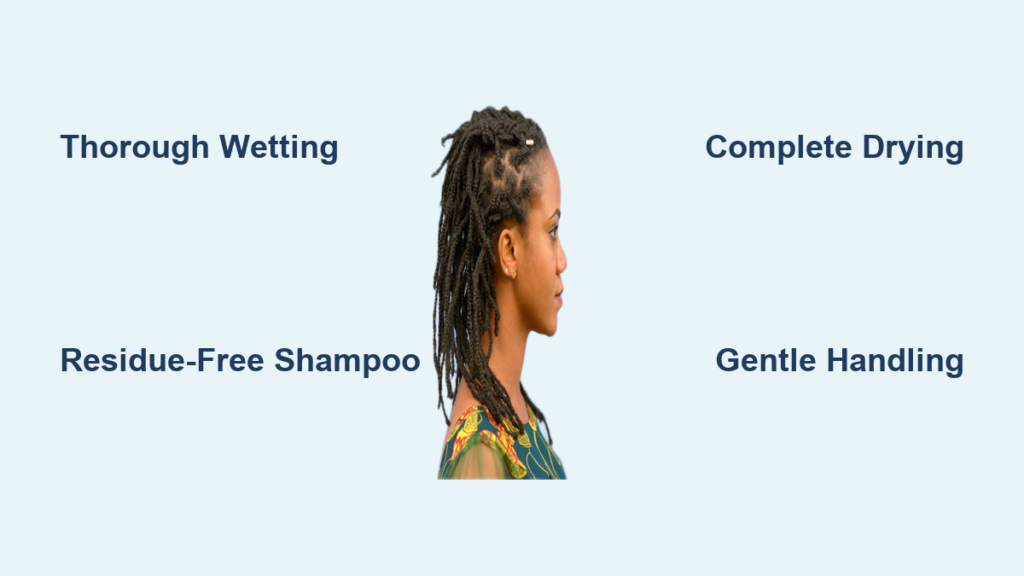
Your dreadlocks feel heavy, smell musty, or look dull despite regular care. The washing routine that worked for loose hair simply doesn’t apply anymore—dreadlocks trap everything from sweat to product residue, creating unique challenges that demand specialized techniques. Most people make critical mistakes like using regular shampoo or skipping proper drying, which leads to mold growth and eventual lock deterioration.
Learning how to wash dreadlocks at home saves hundreds in salon visits while keeping your locs healthy, odor-free, and strong. This guide walks you through every step, from pre-wash prep to final drying, using methods that prevent buildup and preserve your dreadlock formation. You’ll discover why “less is more” when it comes to product use and how to identify the early warning signs that your current routine is failing.
Pre-Wash Dreadlock Assessment Before You Start
Check for Warning Signs of Buildup or Damage
Examine each dreadlock under good lighting before getting started. White residue, sticky texture, or unusual odors signal immediate attention—these indicate trapped bacteria or product accumulation. Look closely at your scalp—flakes, excessive oil, or red patches often reveal product sensitivity or overwashing issues that need addressing before you begin washing.
Separate and Detangle Without Causing Frizz
Use your fingers to gently separate any merged dreadlocks at the roots. Never reach for combs or brushes, as these tools create frizz and potential unraveling. Remove visible lint with tweezers, focusing on areas where clothing fibers typically collect near the crown and nape. Light palm-rolling each dreadlock for 10-15 seconds tightens loose sections and readies them for optimal water penetration during washing.
Water Quality Test for Mineral-Free Results
Fill a spray bottle with your tap water and add a drop of liquid soap. Poor lathering reveals hard water that’ll leave mineral deposits in your dreadlocks. If your water tests hard, consider installing a shower filter or using distilled water for rinsing. Always use lukewarm water (70-80°F)—hot water swells hair shafts and causes frizz while cold water won’t effectively cleanse your locs.
Choose the Right Cleansing Products to Prevent Buildup
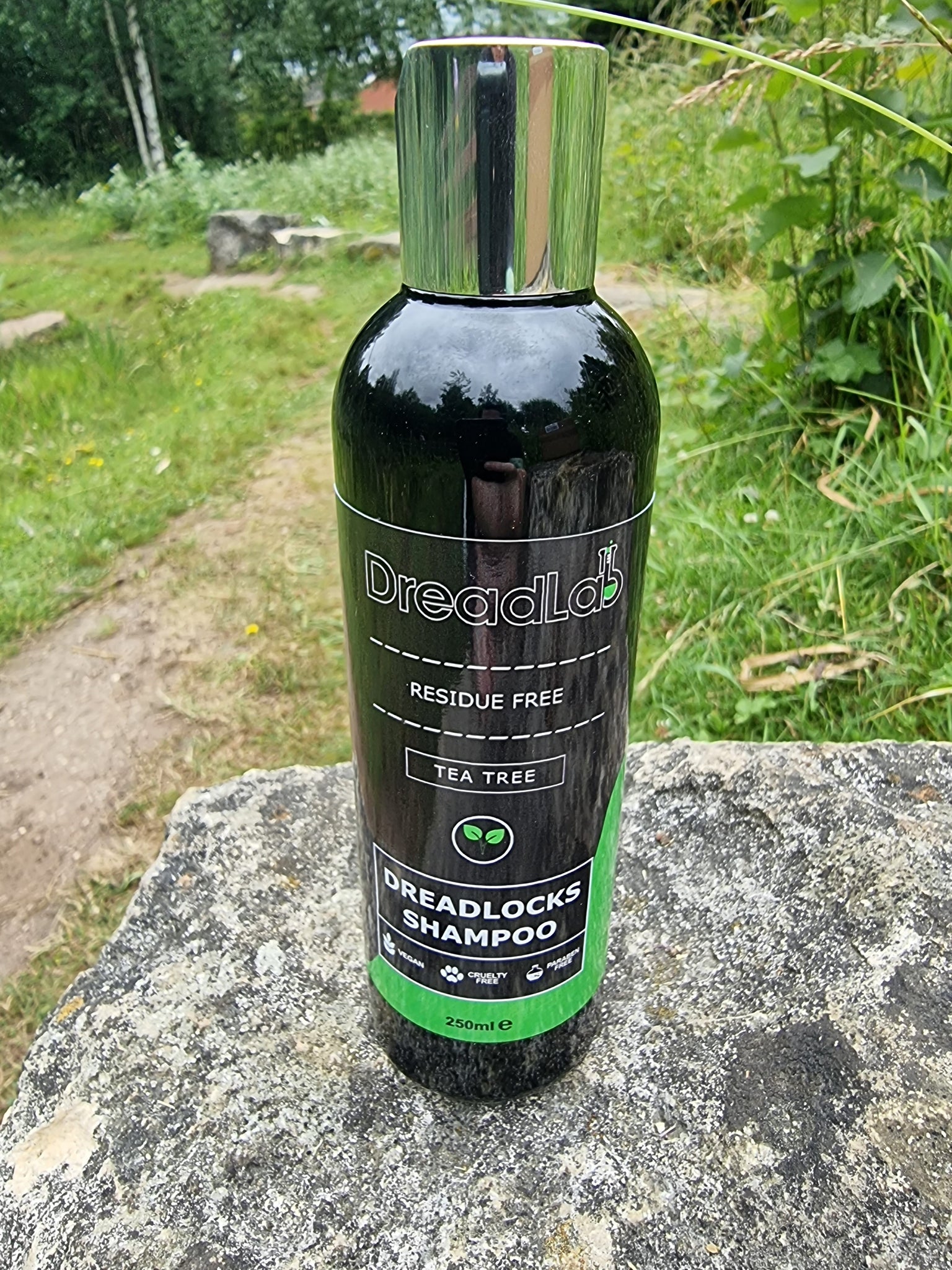
Safe Shampoo Selection for Residue-Free Results
Residue-free dreadlock shampoos contain no conditioners, detanglers, or moisturizers that create buildup—these are your primary defense against white residue and sticky texture. Clarifying shampoos work for deep cleaning but limit use to once monthly to prevent excessive dryness. Castile soap diluted 1:4 with water serves as an effective natural alternative that won’t compromise your loc integrity.
Ingredients to Eliminate for Healthy Dreadlocks
Avoid sulfates, silicones, parabens, and heavy fragrances completely—they strip natural oils and cause irritation. Skip creamy conditioners, 2-in-1 formulas, and “shine-enhancing” products entirely, as they coat your locs and create impossible-to-remove buildup. Wax-based loc products might seem helpful initially but will suffocate your hair and require professional removal.
DIY Cleansing Solutions for Budget-Friendly Care
Mix 1 tablespoon baking soda in 1 cup warm water for quarterly deep cleans that dissolve stubborn buildup without harsh chemicals. Create an apple cider vinegar rinse (1 part vinegar to 3 parts water) to restore pH balance and remove residue after shampooing. Add 2-3 drops of tea tree oil per 8 ounces of your rinse solution for antimicrobial benefits that prevent odor-causing bacteria.
Complete Washing Process Step-by-Step
Thorough Wetting Phase for Maximum Cleanliness
Stand under the shower for 2-3 minutes, ensuring complete saturation from roots to tips—this is non-negotiable for effective cleaning. Massage your scalp gently with fingertips (never nails) in circular motions to loosen debris. Keep separating dreadlocks as you wet them to prevent matting and ensure each lock receives direct water contact.
Shampoo Application Method to Preserve Lock Integrity
Use nickel-sized amounts of shampoo per 4-5 dreadlocks, focusing on your scalp first where oil and sweat accumulate. Create lather with gentle massage motions, then squeeze the suds through each dreadlock using both hands in a downward motion. Never rub or create friction—that’s the #1 cause of frizz and unraveling. Rinse thoroughly and repeat if you see excessive buildup.
Deep Clean Quarterly Without Professional Help
Fill your sink with warm water and baking soda solution. Submerge dreadlocks for 10-15 minutes, gently squeezing the solution through each lock. Focus on areas with visible residue like the nape and crown where buildup concentrates. Rinse thoroughly using strong water pressure from a removable shower head until water runs crystal clear—this step prevents the white residue that plagues many home washers.
Proper Drying Techniques to Prevent Mildew

Immediate Water Removal Without Lint Transfer
Blot each dreadlock with a microfiber towel or clean cotton t-shirt—never terry cloth which leaves lint in your locs. Squeeze gently without wringing to avoid stressing the hair structure. Separate dreadlocks continuously during drying to prevent root matting, which creates weak points that may eventually break.
Air Drying Best Practices for Complete Moisture Removal
Let dreadlocks hang naturally without tying or bunching during air drying—this prevents moisture traps. Lean forward briefly to encourage root drying where mildew typically starts. Position a fan on low setting 3 feet away to accelerate drying while maintaining natural airflow. Never sleep with damp locs—mildew develops within 6-8 hours of incomplete drying.
Determine Your Washing Schedule for Optimal Results
Lifestyle-Based Timing to Prevent Odors
Active lifestyles with daily exercise require washing every 3-4 days to prevent sweat accumulation and bacterial growth. Office workers can safely extend to 7-10 days if no excessive sweating occurs. Swimming demands immediate post-pool washing with plain water to prevent chlorine damage—wait 30 minutes before applying shampoo.
Seasonal Adjustments for Climate-Specific Care
Summer heat pushes washing frequency to every 3-5 days due to increased sweating and humidity. Winter allows 7-14 day intervals as indoor heating reduces natural perspiration. Monitor your scalp closely during weather transitions—sudden temperature changes often trigger unexpected oil production that requires schedule adjustments.
Fix Common Washing Problems Immediately

Remove Stubborn Buildup Without Professional Help
White residue or sticky texture signals dangerous product accumulation that will eventually weaken your locs. Use residue-removing shampoo or create a baking soda paste directly on affected areas. Let sit 5-10 minutes before thorough rinsing—this dissolves buildup without harsh scrubbing. Severe cases may need professional deep cleaning, but most buildup responds to consistent proper technique.
Eliminate Persistent Odors Caused by Mildew
Musty smells indicate mildew or bacterial growth requiring immediate attention. Wash with tea tree oil shampoo or use apple cider vinegar rinse as your final step. Remember that 90% of odor issues stem from incomplete drying—always verify your locs are completely dry before bedtime by feeling the roots.
Between-Wash Maintenance for Fresh-Looking Locs
Daily Freshness Routine Without Product Buildup
Light palm-roll each morning to maintain shape and encourage new growth. Sleep on silk or satin pillowcases to reduce lint and friction damage. Massage scalp daily with fingertips to distribute natural oils—this reduces the need for frequent washing. Check new growth every 2-3 days to identify areas needing palm rolling before they become problematic.
Safe Product Use for Occasional Refreshing
Mix 2-3 drops essential oil in 8 ounces water for between-wash freshness sprays. Apply light oil to scalp only, avoiding dreadlock length to prevent greasy buildup. Use dreadlock-specific dry shampoo sparingly when necessary—regular dry shampoo leaves residue that accumulates over time.
Essential Tools for Effective Home Washing
Basic Requirements for Proper Dreadlock Care
Microfiber towels or cotton t-shirts prevent lint transfer during drying. Spray bottles ensure even product distribution without waste. Shower caps protect locs between washes during non-haircare activities. Keep a lint roller handy for surface debris removal between washes—this simple tool prevents buildup from environmental particles.
Long-Term Care Planning for Decades-Long Locs
Annual Maintenance for Mature Dreadlocks
Schedule professional deep cleaning once yearly for mature dreadlocks to address deep-seated buildup. Perform quarterly baking soda soaks at home to maintain optimal cleanliness. Monitor your buildup patterns to adjust products seasonally—this prevents the surprise issues that develop from consistent product use.
Key Takeaway: Mastering how to wash dreadlocks at home starts with thorough rinsing, complete drying, and gentle handling—not washing frequency. Focus on using the right products in the right way, and your locs will stay healthy, odor-free, and strong for decades. The most successful dreadlock care routines prioritize prevention over correction, saving you time, money, and potential damage to your valuable locs.