That cherished cashmere sweater or heirloom wool blanket deserves better than a trip to the dry cleaner—or worse, accidental shrinkage in your washing machine. The secret? You can safely wash wool at home when you understand its unique fiber structure and follow precise techniques. This guide reveals exactly how to wash wool at home while preserving softness, shape, and longevity. Forget complicated rituals: with the right approach, you’ll keep wool garments looking luxurious for years, washing them 3-4 times less often than cotton items while saving money and reducing environmental impact.
Wool fibers naturally repel dirt and neutralize odors thanks to their microscopic coiled-spring structure and protective outer layer. Most “dirty” wool pieces simply need airing rather than full washing—meaning you’ll only wash them every 3-5 wears. By mastering home wool care, you’ll avoid the #1 cause of ruined garments: hot water and aggressive agitation that triggers irreversible felting. Let’s transform your wool care routine with science-backed methods that work.
Why Wool Rarely Needs Full Washing
Wool’s genius lies in its self-cleaning properties. Merino fibers contain natural oils that create a stain-resistant barrier, while their crimped structure traps air to neutralize odor-causing bacteria. This means your wool sweater likely smells fresh after just 24 hours of airing—no water required. Most wearers overwash wool, unnecessarily stressing fibers and shortening garment life.
Before reaching for detergent, try these refresh methods:
– Hang garments overnight in a breezy spot (not direct sunlight)
– Use a soft clothes brush to lift surface dust
– Spot-treat minor stains immediately with a damp cloth
– Freeze items in a sealed bag for 24 hours to kill moth eggs
This natural resilience means washing wool at home should happen only when you detect actual odors or visible soil—not based on wear count alone. When in doubt, perform the sniff test: if it smells clean after airing, skip the wash.
Essential Supplies for Home Wool Washing
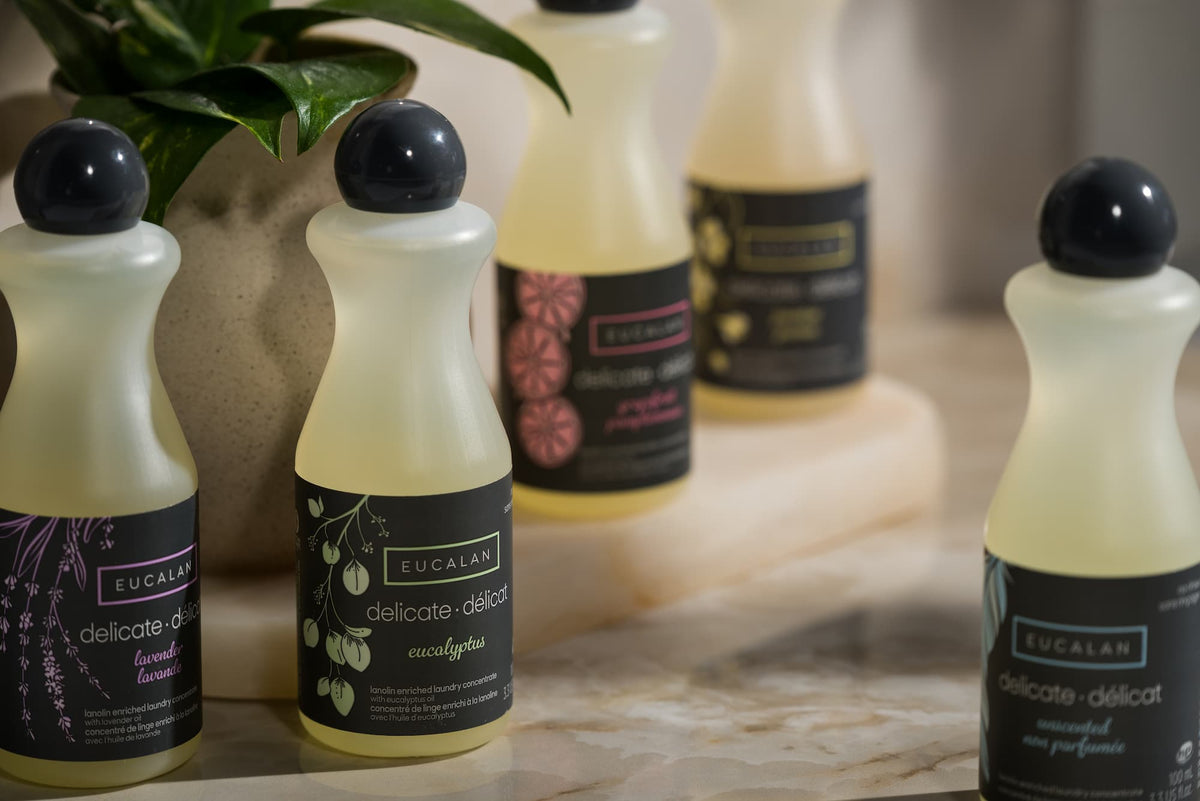
Using wrong products destroys wool faster than improper technique. Regular detergents strip natural lanolin oils, causing stiffness and shrinkage. Invest in these non-negotiable items before washing wool at home:
Critical tools checklist:
– ✅ Woolmark-approved detergent (e.g., Eucalan or Woolite Delicates)
– ✅ Lint-free white cloths (paper towels leave fibers)
– ✅ Clean basin or sink (never use rusty tubs)
– ✅ Absorbent cotton towels (terry cloth only)
– ✅ Surgical spirit (for ink and grease removal)
Temperature rule: Water must feel tepid—not warm or cool—on your inner wrist. Extreme temperatures shock fibers, causing immediate shrinkage. Test with a thermometer: 30°C (86°F) is the absolute maximum.
Machine Washing Wool Without Damage
Pre-Wash Garment Preparation
Turn every item inside out to protect delicate surfaces. Secure all zippers and fasteners—open zippers snag fibers like sandpaper. Sort by color intensity and weight (heavy coats separate from thin scarves). For cashmere or lace-knit pieces, double protection is essential: place inside mesh laundry bags and wash alone.
Critical mistake to avoid: Never mix wool with abrasive fabrics like denim. Even one rough garment can felt an entire load.
Perfect Machine Settings
- Cycle: Wool/delicate setting only (standard cycles destroy fibers)
- Temperature: Cold water max (30°C/86°F)
- Spin speed: 400 RPM or lower—high spin stretches wet wool permanently
- Detergent: Half the normal amount (excess soap stiffens fibers)
Start the machine, then immediately pause to check water level. Garments should float freely—not packed like sardines. Restart and remove items the second the cycle ends. Sitting in residual water creates deep-set wrinkles impossible to remove.
Hand Washing Wool Safely Step-by-Step

The 5-Minute Submersion Method
Fill your basin with tepid water and 1 teaspoon wool detergent. Swirl gently—no suds should form. Submerge the garment fully, pressing down until saturated. Let it soak exactly 3-5 minutes—longer causes felting. Never rub or twist.
Rescue technique for heavy items: Support the garment’s full weight with both hands when lifting. Wet wool can stretch 200% under its own weight. Never lift by sleeves or collars.
Rinse and Water Removal
Drain soapy water and refill with clean tepid water. Gently press the garment against the basin sides to release soap—no agitation. Repeat until water runs clear (usually 2-3 rinses). To remove excess water:
1. Lay garment flat on a dry towel
2. Roll tightly like a sleeping bag
3. Press firmly with your hands
4. Unroll and repeat with fresh towel
This absorbs 90% of moisture without stressing fibers. Never wring—this felted my grandmother’s vintage shawl in seconds.
Stain Removal Tactics That Actually Work
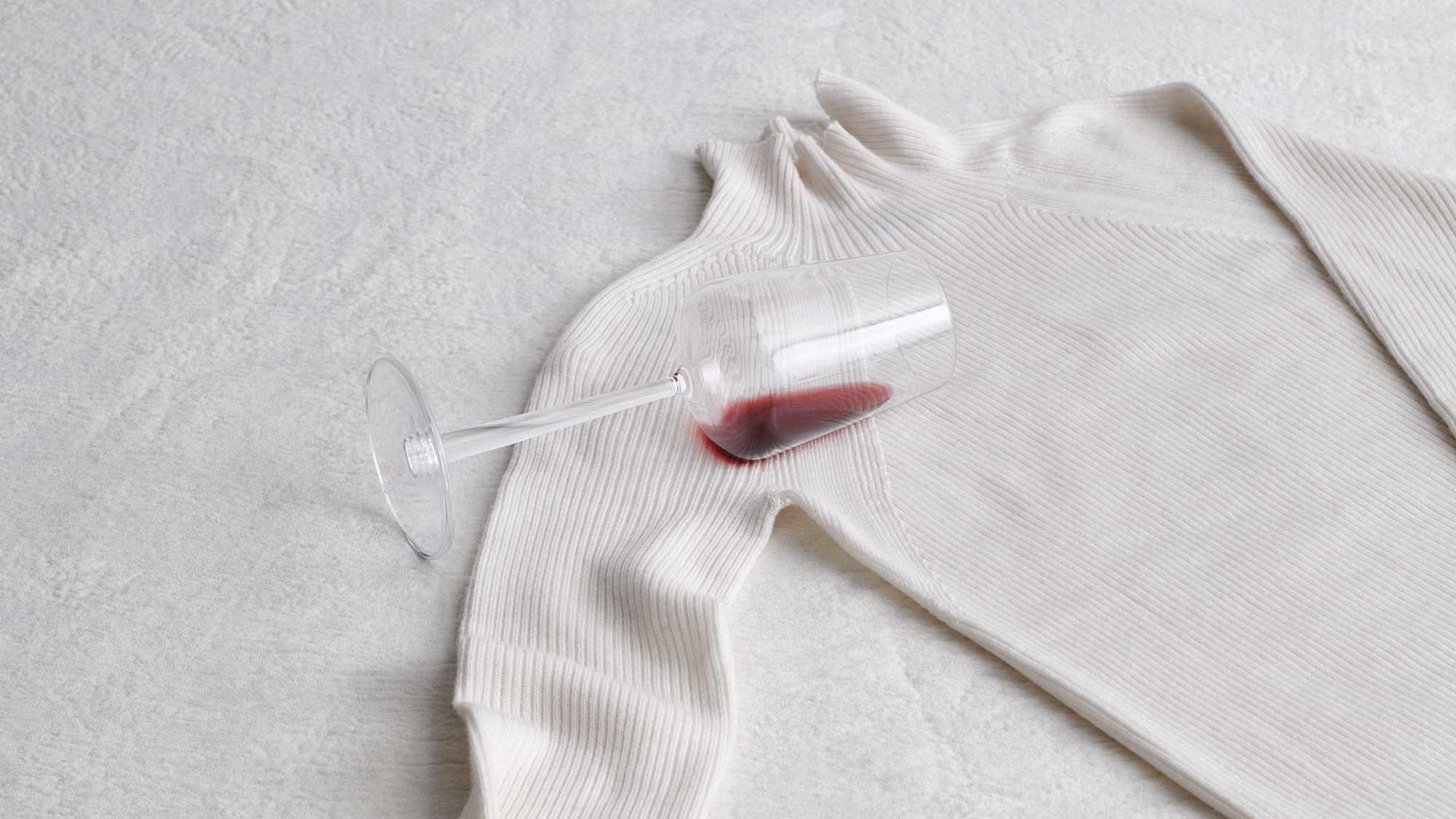
Immediate Response Protocol
Blot (never rub) fresh stains with a lint-free cloth, working outward to prevent spreading. Always test solutions on hidden seams first. For dried stains, scrape gently with a spoon before treatment.
Specific Stain Solutions
Grease or makeup: Layer paper towels above/below stain. Press with warm (not hot) iron to wick oil. Replace towels until no transfer occurs.
Red wine: Rinse with cold water first, then apply 3:1 surgical spirit to water mix. Blot every 30 seconds—don’t let it dry.
Coffee or blood: For blood, dab immediately with undiluted white vinegar before rinsing in cold water (heat sets proteins). Coffee requires baking soda paste first, then surgical spirit mix.
Ink disasters: Dab with surgical spirit on cotton ball for 10 seconds, then blot with dry cloth. Repeat until transfer stops—never scrub.
Drying Wool Without Distortion
The Flat-Drying Technique That Prevents Stretching
Lay garment on dry towel, reshaping to original dimensions. Smooth sleeves straight and collar flat. For sweaters, place a second dry towel on top and add light weights (like books) at edges to prevent width expansion. Never hang—gravity stretches wet wool irreversibly.
Drying timeline:
– Socks/scarves: 12-24 hours
– Sweaters: 24-48 hours
– Blankets: 48-72 hours
Flip garments halfway through drying. Humid climates? Add a fan on low setting 3 feet away to accelerate drying without heat exposure.
Storage Secrets After Washing
Store wool garments only when bone-dry—dampness invites moths and mildew. Fold knits vertically (like files) to prevent shoulder bumps. Always use breathable cotton storage bags, never plastic. Insert cedar blocks or lavender sachets every 12 inches—avoid mothballs that damage fibers.
Pro tip: Place folded items in a sealed container with silica gel packets for long-term storage. Check monthly for moisture.
When to Avoid Home Washing Altogether
Skip DIY methods for:
– Structured wool coats with interfacing
– Garments with leather trim or sequins
– Vintage pieces over 30 years old
– Blended fabrics (check care labels)
These require professional cleaning, but spot-clean minor marks at home first using the surgical spirit method.
Top 5 Home Washing Mistakes That Ruin Wool
- Hot water use – Causes instant, irreversible shrinkage (even 35°C is too hot)
- Regular detergent – Strips protective oils, leaving fibers brittle
- Hanging wet items – Creates permanent shoulder bumps and lengthwise stretching
- Over-washing – Breaks down natural elasticity faster than necessary
- Skipping air-drying prep – Leads to misshapen garments
The true test: If your wool smells fresh after airing and shows no stains, it’s ready to wear again. Most items need washing only once per season.
Washing wool at home isn’t risky when you work with wool’s natural properties instead of against them. By following these precise steps, you’ll keep merino sweaters soft, cashmere scarves supple, and wool blankets cozy for decades—no dry cleaner fees required. Start with a low-value item to build confidence, then graduate to your treasures. Remember: wool wants to stay beautiful with minimal intervention. When you respect its unique biology, your garments reward you with lasting luxury. Now go rescue that unwashed sweater from the back of your closet—it’s probably fresher than you think.