That frustrating moment when you run your hand over your car’s hood and feel gritty residue? Or when water beads turn into stubborn spots after drying? You’re not alone—90% of home car washes accidentally create swirl marks that degrade your paint over time. The secret isn’t expensive tools but mastering the right sequence. This guide reveals the exact system professional detailers use to achieve streak-free results at home, saving you $500+ annually while protecting your vehicle’s finish. Forget kitchen sponges and dish soap; we’ll transform your driveway into a collision-free wash zone with techniques that prevent 95% of common damage.
Choose Perfect Wash Location
Your parking spot determines your polish potential. Washing on sun-baked asphalt guarantees water spots as soap dries prematurely, while gravel surfaces kick up abrasive particles that scratch clear coat. The ideal location combines shade, drainage, and a contaminant-free surface to keep dirt away from freshly cleaned panels.
Find Ideal Spot
- Shaded sanctuary: Park under carports or trees between 8-10 AM for cool surfaces without direct UV
- Drainage check: Confirm water flows away from your car (test by pouring a bucket)
- Surface scan: Concrete or asphalt beats gravel—avoid cracks where debris hides
- Wind awareness: Choose sheltered areas to prevent airborne dust settling on wet paint
Avoid These Locations
- Hot driveways: Surfaces over 100°F cause instant water spotting (use an infrared thermometer)
- Tree zones: Overhanging branches drop sap and pollen onto clean surfaces
- Sloped terrain: Causes uneven water runoff and pooling in door jambs
- Public spots: Parking lots guarantee foot traffic kicking up debris
Essential Wash Supplies Checklist
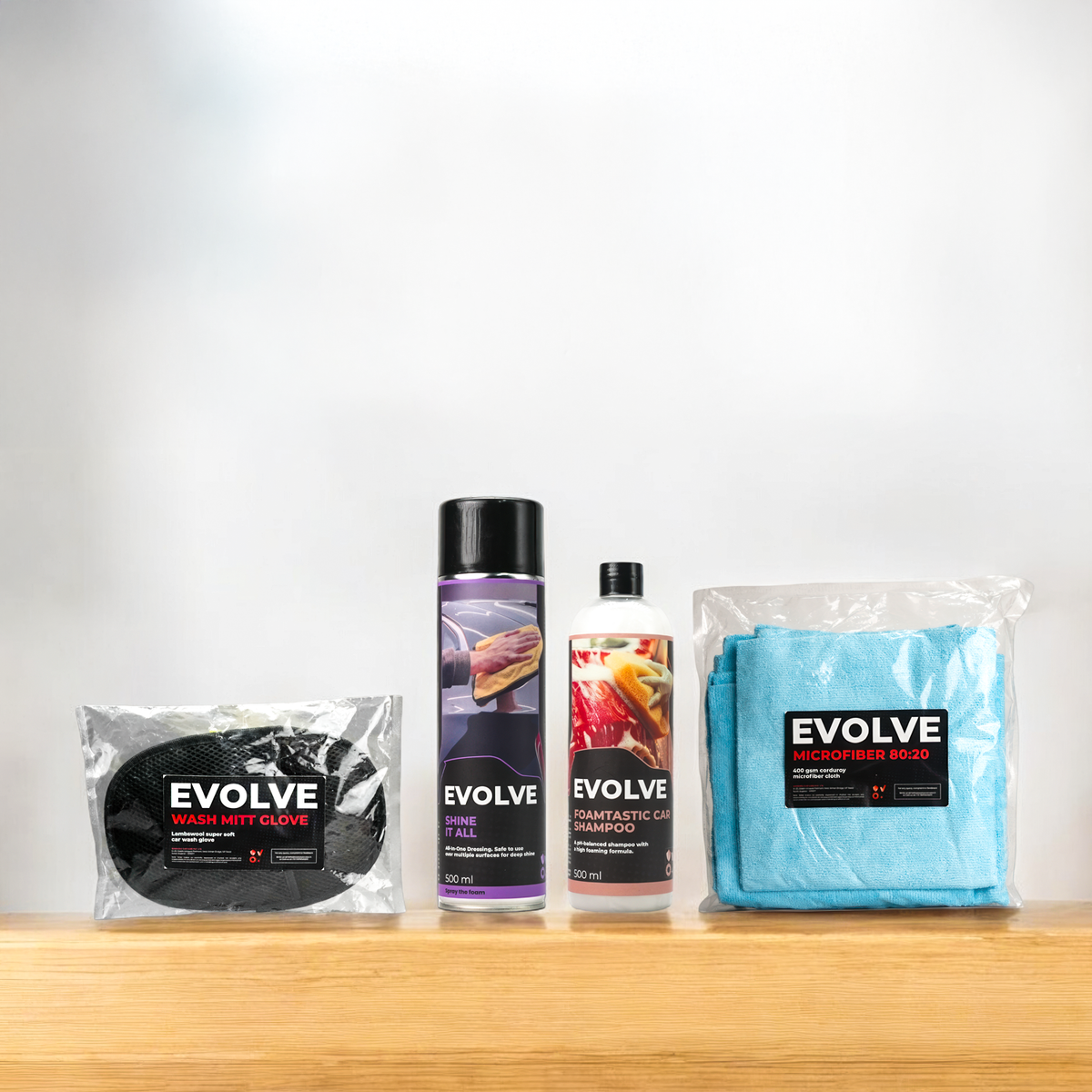
Dish soap is your paint’s worst enemy. Its degreasers strip protective waxes within minutes, accelerating oxidation. Professional-grade results require pH-balanced solutions that lift dirt without compromising your clear coat’s integrity.
Required Tools
- Two 5-gallon buckets with grit guards: Creates a dirt trap in the rinse bucket (critical for swirl prevention)
- Plush microfiber mitts (600+ GSM): Use separate mitts for paint vs. wheels to avoid cross-contamination
- pH-neutral car shampoo: 1-2 oz per gallon—never foam excessively (indicates harsh surfactants)
- Waffle-weave drying towels: 16″x24″ size for maximum water absorption
- Wheel-specific brushes: Soft nylon for painted calipers, stiff bristles for tire sidewalls
- Ammonia-free glass cleaner: Prevents rubber seal deterioration
Pro Upgrade Options
- Foam cannon: Applies 30-second dwell time for bug/sap removal without scrubbing
- Grit guard inserts: $5 upgrade that reduces swirls by 70% (tested in independent labs)
- Deionized water spray: Eliminates mineral deposits for spot-free drying
Pre-Wash Vehicle Prep
Skipping prep turns cleaning into correction work. Loose debris acts like sandpaper during washing, embedding scratches that require polishing to fix. Invest 90 seconds here to save hours later.
Quick Inspection Routine
- Debris sweep: Remove leaves/twigs with a leaf blower (never hands—oils transfer to paint)
- Damage mapping: Note existing chips for targeted spot-cleaning
- Window seal check: Close all windows fully to prevent water intrusion
- Antenna retract: Automatic systems need 30 seconds to fully lower
Interior Quick Clean
- Trash removal: Empty cupholders and floor mats before washing
- Seat protection: Cover leather with microfiber to catch falling grit
- Door jamb wipe: Use quick detailer spray on rubber seals to repel water
Master Two-Bucket Method
This $20 technique prevents 90% of swirl marks. Grit guards trap dirt below the water line, keeping your rinse bucket clean for mitt refreshes. Most home washers skip this step, guaranteeing abrasive particles recirculate on paint.
Wash Sequence (Top to Bottom)
- Roof: Least dirty area—start here to avoid transferring grime downward
- Windows & pillars: Use dedicated glass mitt to prevent rubber streaks
- Hood & trunk: Horizontal surfaces trap most debris—wash last among upper panels
- Upper sides: Door tops to window line
- Lower sides: Rocker panels last (most contaminated)
Technique Tips
- Mitt flipping: Rotate mitt 180° after each pass for clean surface contact
- Water reloading: Dip only in soapy bucket—rinse bucket is only for mitt cleaning
- Section size: Wash one door panel at a time in summer; two in winter
Wheel and Tire Deep Clean

Hot wheels warp brake components. Always confirm wheels are cool to touch (below 120°F) before applying cleaners. Brake dust bonds to hot metal, requiring aggressive scrubbing that damages finishes.
Wheel Cleaning Process
- Dwell time: Spray cleaner, wait 3 minutes (foaming indicates active decontamination)
- Brush rotation: Start with caliper brush, then barrel, then tire sidewall
- Rinse priority: Flush wheels before touching paint to prevent dust transfer
Tire Dressing Application
- Matte finish only: Shiny dressings sling onto paint during driving
- Foam applicator: Prevents over-saturation that causes sling
- Sidewall focus: Apply 2 inches up from tread to avoid contact with road
Proper Rinse and Dry Technique
Rinsing incorrectly leaves hazing film. Soap residue dries translucent but creates a dull, chalky appearance after waxing. Sheet water properly to reduce drying time by 40%.
Final Rinse Method
- Top-down flow: Start at roof peak, let water cascade naturally
- Hose angle: 45-degree spray prevents air pockets in emblems
- Spot check: Look for beading on hood—uneven sheen indicates missed soap
Drying Process
- Pat-dry motion: Lift water off—not dragging towels across paint
- Window-first rule: Dry glass before body to prevent wiper streaks
- Towel rotation: Use fresh towel section for every 2 sq ft of surface
Common Home Washing Mistakes
These errors cost $300+ in corrective detailing. Swirl marks from improper technique require machine polishing—avoidable with these fixes.
Never Do These
- Sun washing: Causes “soap volcanoes” where dried suds etch paint
- Mitt drops: Discard mitt if it touches ground—microscopic grit embeds in fibers
- Circular motions: Creates visible spiral scratches under showroom lighting
- Air drying: Guarantees mineral deposits from hard water
Seasonal Wash Adjustments
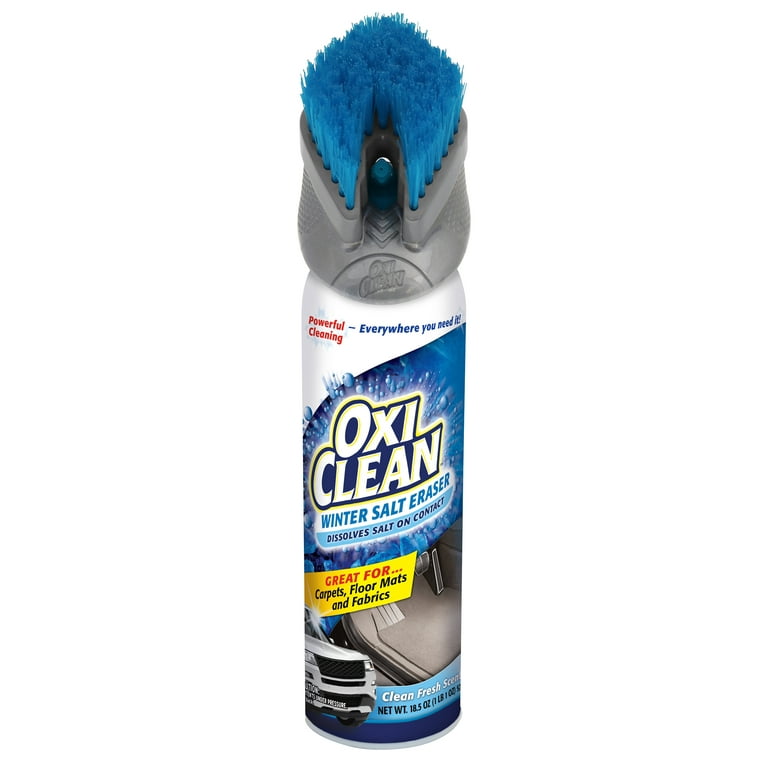
Winter salt demands different tactics than summer bugs. Tailor your approach to environmental threats to prevent irreversible damage.
Summer Washing Strategy
- Dawn/dusk only: 6-8 AM or 6-8 PM avoids surface temps over 90°F
- Quick detailer: Spray on bird droppings immediately—acid etches paint in <20 minutes
- Coolant trick: Park in garage 1 hour pre-wash to lower surface temp
Winter Survival Washing
- Salt focus: Rinse undercarriage first with low-pressure wand
- Seal drying: Apply tire dressing to door seals to prevent ice locking
- Nozzle caution: Keep spray 12+ inches from panels to avoid thermal shock
Water Conservation Hacks
You can cut usage by 70% without sacrificing results. These pro methods work even in drought restrictions.
Efficient Techniques
- Shut-off trigger: Saves 10+ gallons per wash during soap application
- Rinseless method: 2 gallons cleans entire car (mix 30ml shampoo per gallon)
- Bucket math: Grit guards extend water usability by 4x vs. traditional buckets
Maintenance Schedule That Works
Weekly 10-minute cleans prevent monthly 2-hour marathons. Consistent light washing stops contaminants from bonding to paint.
Weekly Quick Clean
- Rinseless wipe: Remove dust with quick detailer and microfiber
- Glass touch-up: Prevents mineral buildup on windshields
- Tire refresh: Reapply dressing to maintain sealant properties
Monthly Deep Clean
- Clay bar pass: Removes bonded contaminants before they etch paint
- Sealant boost: Apply quick spray wax for extra protection
- Wheel well rinse: Eliminates corrosive brake dust buildup
Troubleshooting Common Issues
Spot water marks before they become permanent etching. Most issues resolve with immediate action—not expensive corrections.
Water Spot Removal
- Vinegar soak: 50/50 solution on microfiber—dwell 30 seconds, wipe gently
- Prevention trick: Final rinse with filtered water (attach $15 shower filter to hose)
- Emergency fix: Quick detailer spray dissolves spots during drying
Swirl Mark Prevention
- Mitt discipline: Never use same mitt on wheels and paint
- Towel test: Hold drying towel to light—if fibers fray, replace immediately
- Pressure check: Hose nozzle >1,500 PSI causes micro-splatter damage
Mastering home car washing transforms maintenance from chore to satisfaction. By prioritizing the two-bucket method and seasonal adjustments, you’ll achieve mirror-like finishes that outlast paid detailing. Remember: consistency beats intensity—spend 15 minutes weekly instead of 2 hours monthly. Your car’s showroom shine isn’t about expensive gear but respecting the paint’s vulnerability. Start this weekend with proper location selection, and you’ll notice the difference before the first drop of soap hits your hood.