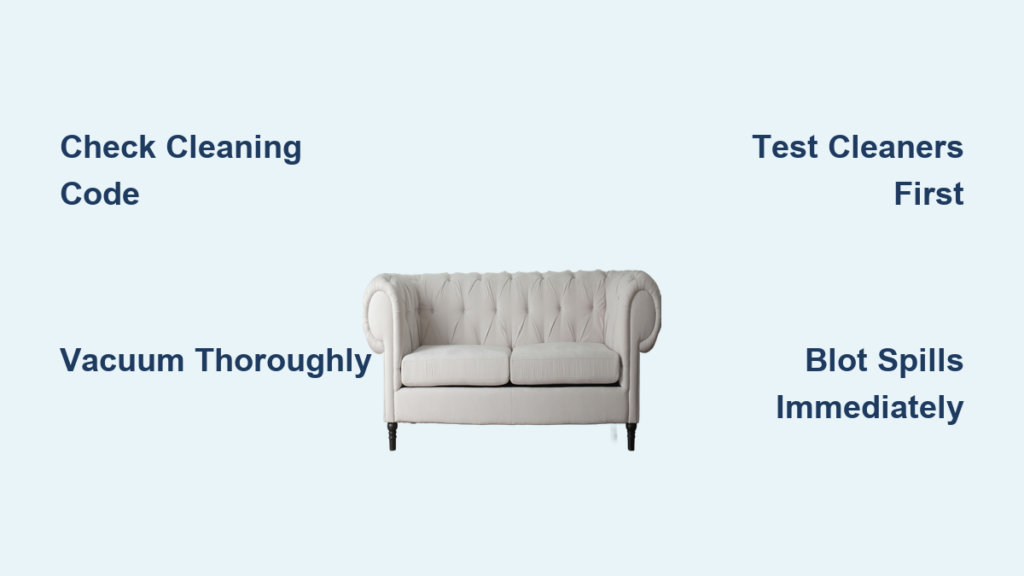
Your favorite sofa has become a magnet for spills, crumbs, and pet hair. That coffee splash from Tuesday? The mysterious toddler handprints? You don’t need a professional cleaning service to rescue your living room centerpiece. With the right techniques tailored to your specific upholstery, you can restore freshness at home using everyday supplies. This guide reveals exactly how to clean every sofa material safely—from delicate microfiber to sturdy leather—while avoiding costly mistakes like water rings or color fading.
Most homeowners waste hours scrubbing with the wrong methods, only to set stains permanently or damage fabric fibers. The key lies in matching your cleaning approach to your sofa’s material code (more on that below). By following these manufacturer-aligned protocols, you’ll achieve professional-level results without the $200+ price tag. Let’s dive into the precise steps for making your sofa look and smell like new.
Find Your Sofa’s Hidden Cleaning Code
Decode Manufacturer Tags Before Cleaning
Flip cushions and check the sofa frame’s underside for small white tags with single-letter codes. These dictate your cleaning boundaries:
– W: Use water-based solutions (most common for modern fabrics)
– S: Solvents only—no water allowed (typical for silk or velvet)
– WS/SW: Either water or solvents work safely
– X: Professional cleaning required (never attempt DIY)
Ignoring these codes risks permanent damage. A “W” code sofa can handle vinegar solutions, while an “S” code fabric might disintegrate if wet. Always verify before applying any cleaner.
Match Methods to Your Upholstery Type
Natural Fabrics Require Extra Care:
– Cotton: Blot spills immediately—absorbs stains fast but shrinks if over-wetted
– Linen: Avoid vigorous rubbing; air dry flat to prevent wrinkles
– Wool: Use pH-neutral cleaners only; never apply heat drying
Synthetic Fabrics Are More Forgiving:
– Microfiber: Alcohol-based cleaners prevent water spots (more below)
– Polyester: Handles most DIY solutions but test for colorfastness
– Leather: Requires vinegar-water mixtures and regular conditioning
Blended fabrics follow the most delicate component’s rules—cotton-polyester blends prioritize cotton’s water sensitivity.
Pre-Cleaning Prep Checklist

Critical First Steps to Avoid Damage
- Vacuum thoroughly with an upholstery attachment to remove 90% of surface debris
- Remove all cushions to access hidden stains underneath
- Test cleaners on a hidden seam—wait 24 hours to check for discoloration
- Blot fresh stains immediately with a dry cloth (never rub)
- Gather fabric-specific tools before starting
Skipping prep causes more problems than it solves. Vacuuming first prevents grinding dirt deeper during cleaning, while spot testing avoids shocking color loss on delicate fabrics.
Must-Have Tools for Every Sofa Type
- Upholstery vacuum attachment
- White microfiber cloths (prevents dye transfer)
- Soft-bristled brush for fabric agitation
- Spray bottle for controlled solution application
- 70% isopropyl alcohol (microfiber/leather)
- Baking soda (odor removal)
- Protective gloves
Avoid colored rags, stiff brushes, or undiluted vinegar—they scratch surfaces or set stains.
Water-Based Cleaning for Code W Sofas
Perfect DIY Solution for Cotton/Polyester
Mix in a spray bottle:
– 2 cups warm water
– 1 tbsp mild dish soap (no bleach)
– 1 tbsp white vinegar
– Optional: 1 tsp baking soda for odors
Why this works: Vinegar neutralizes odors without harsh chemicals, while baking soda lifts ground-in dirt.
Step-by-Step Water Cleaning Process
- Lightly mist solution onto stained area (never soak—soggy fabric causes mold)
- Gently brush in circular motions with soft-bristle tool
- Blot aggressively with dry towels—press, don’t wipe
- Repeat for stubborn stains, waiting 10 minutes between applications
- Air dry 6-8 hours with fans circulating air (no heat!)
- Vacuum once completely dry to lift flattened fibers
Critical mistake to avoid: Over-wetting creates water rings. Work in 12×12 inch sections max. If rings appear, dampen the entire section evenly and blot.
Solvent Cleaning for Code S Delicate Fabrics

Safe Solvents for Silk or Velvet
- 70% isopropyl alcohol (diluted 1:1 with water)
- Commercial dry-cleaning fluid (like Carbona)
- Mineral spirits (for oil stains only)
Never use: Bleach, ammonia, or undiluted alcohol—they dissolve delicate fibers.
Solvent Application Without Damage
- Work in a ventilated area (open windows)
- Apply solvent to a white cloth—not directly on fabric
- Dab stains from edge to center to prevent spreading
- Switch to clean cloth sections as stain transfers
- Allow 4 hours for complete evaporation
- Vacuum to restore texture
Solvents pull oils without water damage but require patience. For wine on silk, cover with salt first to absorb liquid, then apply alcohol solution.
Microfiber Sofa Revival Method
Alcohol Cleaning That Prevents Water Spots
Microfiber’s tightly woven structure traps stains but shows water rings if mishandled. Alcohol evaporates fast without residue.
Proven Technique:
1. Vacuum entire surface to lift crumbs
2. Spray 70% isopropyl alcohol lightly on stains (1-2 pumps max)
3. Rub gently with white sponge in circular motions
4. Air dry 30 minutes—no blotting needed
5. Brush nap with soft toothbrush once dry
6. Vacuum to fluff fibers
Warning: Water-based cleaners leave permanent rings on microfiber. If water spots occur, re-wet the entire section evenly and dry with cool air.
Leather Sofa Deep Cleaning Protocol
Daily Maintenance to Prevent Cracking
- Dust with dry microfiber cloth every 3 days
- Wipe spills instantly with absorbent cloth
- Keep away from direct sunlight (causes fading)
- Maintain 40-50% humidity with a room humidifier
Step-by-Step Deep Clean & Condition
- Vacuum crevices with soft brush attachment
- Mix 2 parts water to 1 part white vinegar
- Dampen cloth (wring until almost dry)
- Wipe in small circles, following leather grain
- Buff immediately with dry cloth
- Apply pH-balanced conditioner while slightly warm
- Buff again after 15 minutes
Conditioning schedule: Every 6 months for regular use, every 3 months for households with kids/pets. Skipping conditioner dries out leather, causing irreversible cracks.
Stain-Specific Emergency Fixes
Pet Accident Cleanup (Immediate Action)
- Blot urine with paper towels (press firmly)
- Apply enzymatic cleaner (not vinegar—it sets odors)
- Cover with baking soda overnight
- Vacuum thoroughly next day
Never do: Use steam cleaners—they bake odors into padding.
Grease Stain Removal in 4 Steps
- Sprinkle cornstarch on oil spill—wait 30 minutes
- Vacuum powder residue
- Dab with dry-cleaning solvent on white cloth
- Repeat until no transfer occurs
For butter or makeup stains, cornstarch absorbs oils better than baking soda.
Deep Cleaning Techniques That Work
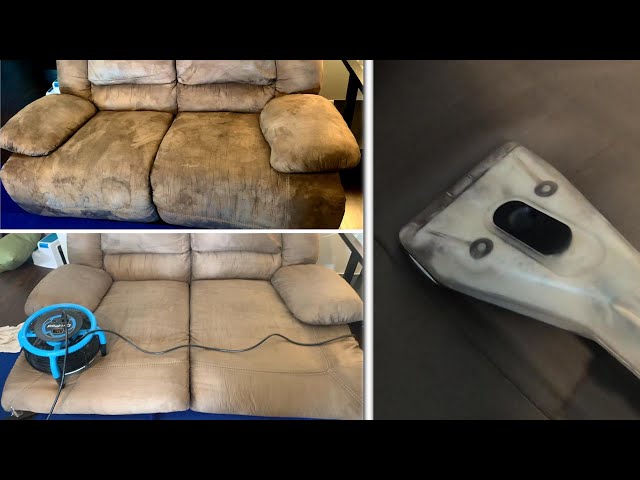
Steam Cleaning Without Saturation
Only for W/WS codes:
1. Pre-vacuum and pre-treat stains
2. Fill steamer with distilled water + pH-neutral solution
3. Use lowest heat setting
4. Pass slowly over 2×2 ft sections
5. Extract moisture completely
6. Dry 12+ hours with dehumidifier
Critical: Over-steaming causes mold. If fabric feels damp after 8 hours, increase airflow.
Dry Powder Method for Quick Refresh
- Sprinkle dry-cleaning powder evenly
- Brush into fabric for 5 minutes
- Wait 45 minutes for powder to crystallize
- Vacuum thoroughly with multiple passes
- Repeat for high-traffic areas
Ideal for monthly maintenance between deep cleans—removes 80% of embedded dirt.
Weekly Maintenance That Prevents Damage
10-Minute Sofa Preservation Routine
- Vacuum crevices and under cushions
- Rotate cushions to distribute wear
- Blot new spills within 60 seconds
- Brush fabric nap on microfiber/velvet
This simple habit prevents 90% of permanent stains. Set phone reminders if needed.
When DIY Cleaning Fails
Call Professionals If:
- Fabric code is “X” (silk, antique velvet)
- Stains persist after 3 attempts
- You smell mildew despite drying
- Leather has deep cracks or peeling
Cost reality check: DIY supplies cost $35 vs. $150-$400 for pros. But for heirloom pieces, professional cleaning preserves value.
Safety Rules to Protect Your Sofa
Chemical Handling Non-Negotiables
- Never mix vinegar and hydrogen peroxide (creates corrosive acid)
- Always test cleaners in hidden areas first
- Wear gloves with solvents
- Store cleaners away from pets/kids
Fabric Protection Must-Dos
- Never use hot water on any fabric
- Avoid circular rubbing—it frays fibers
- Always dry completely before reuse (mold risk)
- Keep sunlight off leather with UV window film
Quick-Reference Cleaning Recipes
All-Purpose Upholstery Spray
- 1 cup water
- ½ cup white vinegar
- ¼ cup rubbing alcohol
- 3 drops dish soap
Shake before each use. Safe for W/WS codes.
Pet Odor Neutralizer
- 1 cup water
- 2 tbsp baking soda
- 5 drops lavender oil
Spritz lightly, wait 1 hour, vacuum. Never saturate.
Your sofa’s lifespan doubles with proper home care. Start by identifying your fabric code—this single step prevents 95% of DIY disasters. For water-safe fabrics, the vinegar-alcohol solution works on most stains. Microfiber demands alcohol-only cleaning, while leather needs monthly conditioning. When in doubt, skip the scrubbing and vacuum weekly. With these methods, your sofa stays fresh-looking for years without expensive services. For silk or set-in stains, call the pros—but 80% of everyday messes vanish with these home techniques.