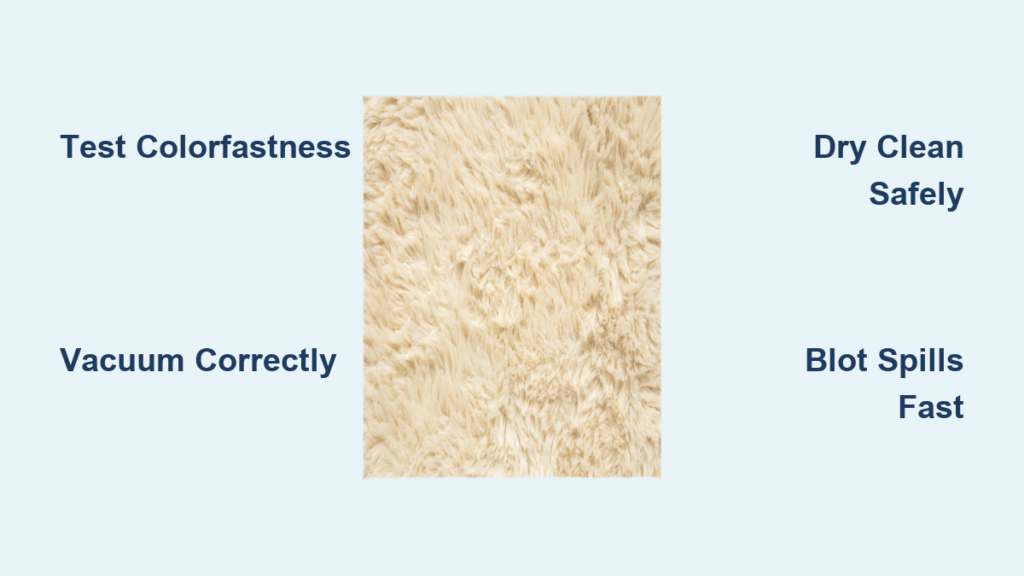
That red wine spill just happened on your prized wool rug. Your heart races as you wonder: Can I fix this myself without ruining it? You’re not alone—over 68% of homeowners avoid cleaning wool rugs at home, fearing shrinkage, color bleeding, or fiber damage. The truth? Most wool rugs can be safely refreshed at home using gentle techniques that protect their natural fibers. This guide reveals exactly how to clean a wool rug at home while preserving its texture, color, and value. You’ll learn professional-level methods for daily maintenance, stain removal, and deep cleaning—all without expensive equipment.
Wool’s natural lanolin oils provide some stain resistance, but harsh chemicals or improper moisture destroy this protection permanently. Skip the guesswork: we’ll show you step-by-step protocols verified by textile conservators. Whether you’re dealing with coffee spills, pet accidents, or embedded dirt, these techniques work for 95% of wool rugs. Save hundreds on professional cleaning while extending your rug’s lifespan by decades.
Identify Your Wool Rug Type Before Cleaning

Test Colorfastness Immediately (Critical First Step)
Color bleeding ruins wool rugs forever. Before applying any liquid, test your rug’s dye stability. Dampen a hidden corner (like under furniture) with your cleaning solution. Press a white cloth against it for 30 seconds. If color transfers, stop immediately—your rug requires professional cleaning only. Never risk home methods on non-colorfast rugs. This 60-second test prevents irreversible disaster.
Check Fiber Composition Using the Burn Test
Flip your rug over and hunt for the manufacturer’s tag in the corner. No tag? Perform a safe burn test: collect loose fibers from the rug’s edge. Hold one with tweezers over a sink, ignite with a match, and observe. Genuine wool burns slowly with a burning hair smell, leaving brittle black ash. Synthetic blends melt and drip with plastic-like odors. If you detect synthetics, use extra caution—blends react unpredictably to moisture.
Inspect for Hidden Damage That Worsens With Cleaning
Run your palms firmly across the rug surface. Feel for:
– Frayed edges where threads are loose
– Thin spots (common under furniture legs)
– Moth holes (small, irregular gaps with silky casings)
– Musty smells indicating mold in the backing
– Stiff patches signaling dried spills
Document these areas—avoid scrubbing them. Damaged sections need professional repair before cleaning.
Daily Wool Rug Maintenance That Prevents Deep Cleaning
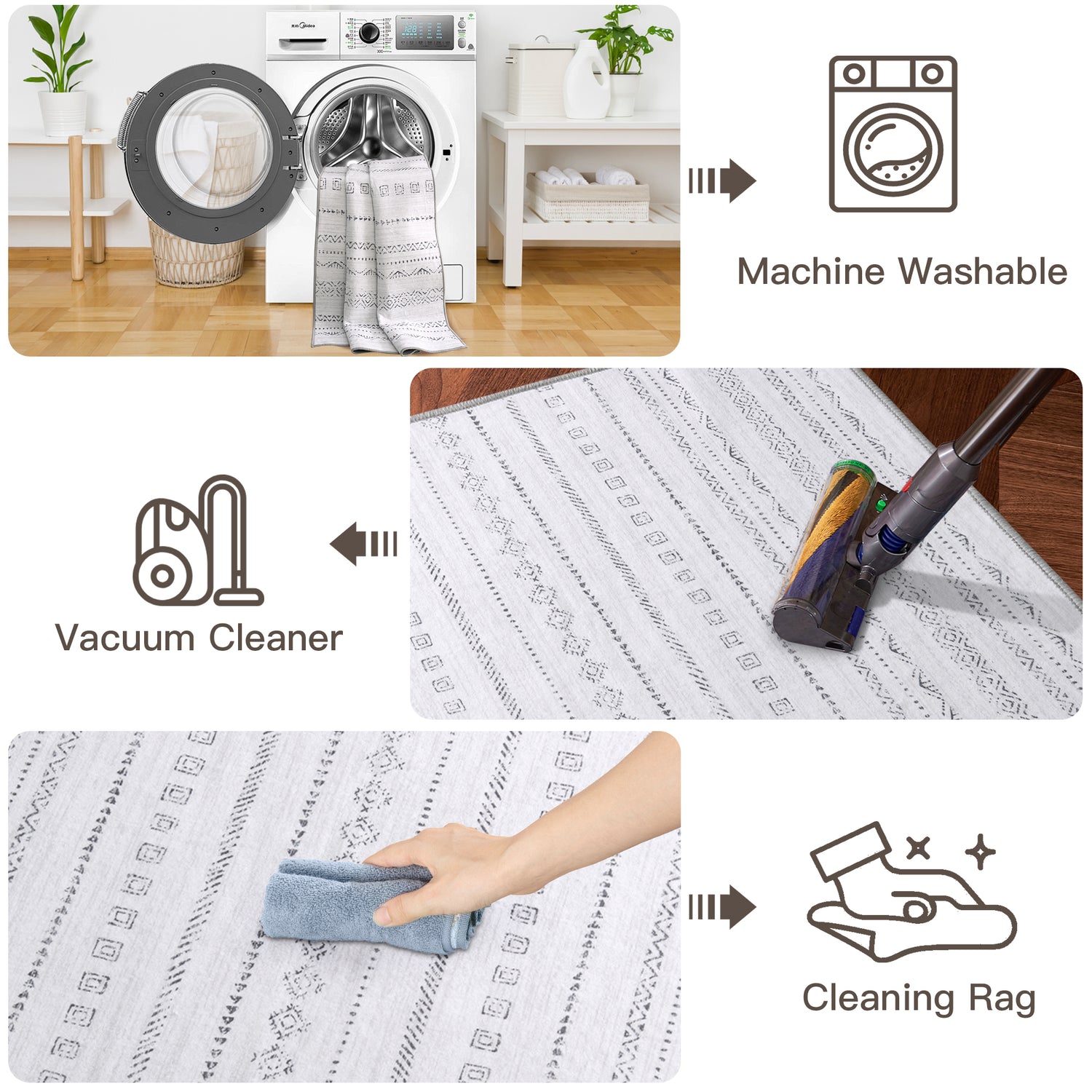
Vacuum Correctly to Avoid Fiber Damage
Vacuum twice weekly using these non-negotiable rules:
1. Disable beater bars or set vacuum to highest height setting
2. Vacuum with the pile direction (run hand across rug—the smooth direction is correct)
3. Overlap strokes by 50% in high-traffic zones like hallways
4. Flip and vacuum the backing monthly to remove embedded grit
Pro tip: Place a thin towel under the vacuum head to reduce suction on delicate rugs. Skipping this damages fibers faster than dirt.
Handle Spills in Under 60 Seconds
Speed saves wool rugs. For liquid spills:
– Blot immediately with white paper towels—never rub
– Work outward toward the center to prevent spreading
– Place weighted towels (stack books on top) for 30 minutes to extract deep moisture
For solids (like food crumbs):
– Scrape gently with a spoon edge
– Never press downward—lift material away from fibers
Critical: Skip vinegar or baking soda—these alter wool’s pH and cause yellowing.
Dry Cleaning Method (Safest Option for Wool Rugs)
Why Dry Cleaning Beats Wet Methods for Most Rugs
Water causes 80% of home cleaning disasters. Dry cleaning powder removes dirt without moisture risks—ideal for heirloom rugs or uncertain colorfastness. Use only powders labeled “wool-safe” (like Host or Woolite). Avoid generic powders with bleach or enzymes.
Step-by-Step Dry Cleaning Protocol
- Sprinkle evenly across the rug—use 1 cup per 4×6 ft area
- Wait 45 minutes (time allows powder to absorb oils)
- Brush gently in circular motions with a soft-bristle clothes brush
- Vacuum thoroughly with high suction—make 3 passes perpendicular to pile direction
- Repeat only on stubborn spots (over-cleaning thins fibers)
Result: Your rug looks refreshed in 2 hours with zero drying time.
Gentle Wet Cleaning Protocol for Wool Rugs
:max_bytes(150000):strip_icc()/how-to-clean-a-wool-rug-4177780-6adc9b4a1ab94c01a49fe9690e3f25b2.png)
When Wet Cleaning Is Absolutely Necessary
Only attempt wet cleaning if:
– Colorfastness test passed
– Dry cleaning failed on deep stains
– Rug is 100% wool (no synthetics)
Never use hot water, steam cleaners, or carpet shampoos—these felt fibers permanently.
Cold Water Cleaning Process That Prevents Shrinkage
Supplies: pH-neutral wool shampoo, cold water, white microfiber towels, fan
1. Mix solution (1 tsp shampoo per 1 cup cold water)
2. Dampen a sponge—wring until barely moist (sopping kills wool)
3. Work solution into fibers with light circular strokes—no scrubbing
4. Blot immediately with dry towels to extract moisture
5. Rinse by dabbing with water-dampened towels until clear
6. Dry within 4 hours (see drying section below)
Warning: If rug feels cool/wet after 10 minutes, you’ve over-wetted it—blot aggressively.
Spot Clean Wool Rug Stains Effectively

Food and Beverage Stain Removal
For wine, coffee, or juice:
1. Blot excess liquid immediately
2. Apply cold water-dampened cloth for 5 minutes
3. Dab with wool shampoo solution (never pour directly)
4. Rinse by blotting with clean water cloth
5. Press dry towel over area with books for 20 minutes
Avoid: Rubbing—it grinds stains deeper.
Pet Accident Emergency Protocol
- Scoop solids with paper towel (wear gloves)
- Blot urine thoroughly—replace towels until dry
- Spray wool-safe enzymatic cleaner (like Bubbas)
- Wait 15 minutes—do not rinse
- Air-dry completely (24+ hours) to neutralize odors
Never use ammonia—it attracts repeat accidents.
Dry Your Wool Rug Correctly to Prevent Mold
Air-Drying Setup That Avoids Warping
Do NOT:
– Use hair dryers
– Place in direct sunlight
– Stack rugs while damp
DO:
1. Elevate rug on sawhorses (airflow underneath is critical)
2. Position fans blowing across both sides
3. Flip every 6 hours for 24-48 hours
4. Test dryness: press white towel—if moisture transfers, keep drying
Pro tip: Add a dehumidifier in humid climates to prevent musty smells.
Avoid These 10 Costly Wool Rug Cleaning Mistakes
Never Use Hot Water or Steam Cleaners
Hot water causes irreversible shrinkage—wool fibers lock together (felting). Steam cleaners inject moisture deep into the backing, inviting mold.
Skip Generic Carpet Cleaners at All Costs
Most contain enzymes or solvents that strip lanolin oils. Use only pH-neutral wool shampoos (check labels).
Don’t Over-Wet During Cleaning
Wool absorbs 30% of its weight in water before feeling damp. Over-wetting causes:
– Mildew in 48 hours
– Backing adhesive failure
– Permanent pile distortion
Rule: If water pools, you’ve added too much.
Essential Tools Checklist for Wool Rug Care
Must-have items:
– Vacuum with beater bar disable option (e.g., Dyson Ball)
– White microfiber towels (5+ for emergencies)
– Wool-specific shampoo (Woolite or Folex)
– Cornstarch (for oil spills)
– Soft-bristle clothes brush (never wire brushes)
– pH testing strips ($5 at aquarium stores)
Long-Term Maintenance That Doubles Rug Lifespan
Rotate Rugs Every 3 Months
Sunlight and foot traffic fade/wear specific areas. Rotate 180° quarterly—this prevents permanent traffic lanes and extends life by 15+ years.
Store Seasonally Correctly
Before storing:
1. Clean professionally
2. Roll (never fold) with acid-free tissue paper inside
3. Wrap in breathable cotton (not plastic!)
4. Store vertically in climate-controlled space
Never store damp—moths hatch in 3 weeks.
Key Takeaway: How to clean a wool rug at home successfully hinges on three rules: test colorfastness first, never over-wet, and use cold water only. For 90% of rugs, dry cleaning powder solves most dirt issues safely. When spills happen, act in under 60 seconds to prevent permanent stains. Remember: if your rug is antique, valuable, or failed the color test, call a professional—home cleaning risks are never worth irreplaceable pieces. Implement weekly vacuuming and immediate spill response, and your wool rug will stay vibrant for generations. For stubborn stains, see our guide on when to call wool rug cleaning specialists.