That coffee spill on your favorite rug isn’t just an eyesore—it’s actively destroying fibers with every passing minute. Most homeowners panic when stains strike, reaching for harsh chemicals that leave permanent damage. Learning how to clean a rug at home properly saves hundreds in professional cleaning fees while preserving your investment. The truth is, 90% of rug damage comes from using wrong cleaning methods, not the stains themselves.
You don’t need expensive equipment or chemical cocktails to restore your rugs. With the right approach, you can tackle wine spills, pet accidents, and ground-in dirt using simple household items. This guide reveals the exact techniques professional cleaners use in your own living room—plus critical mistakes that ruin rugs permanently.
Identify Your Rug Type Before Cleaning
Natural vs Synthetic Fiber Test
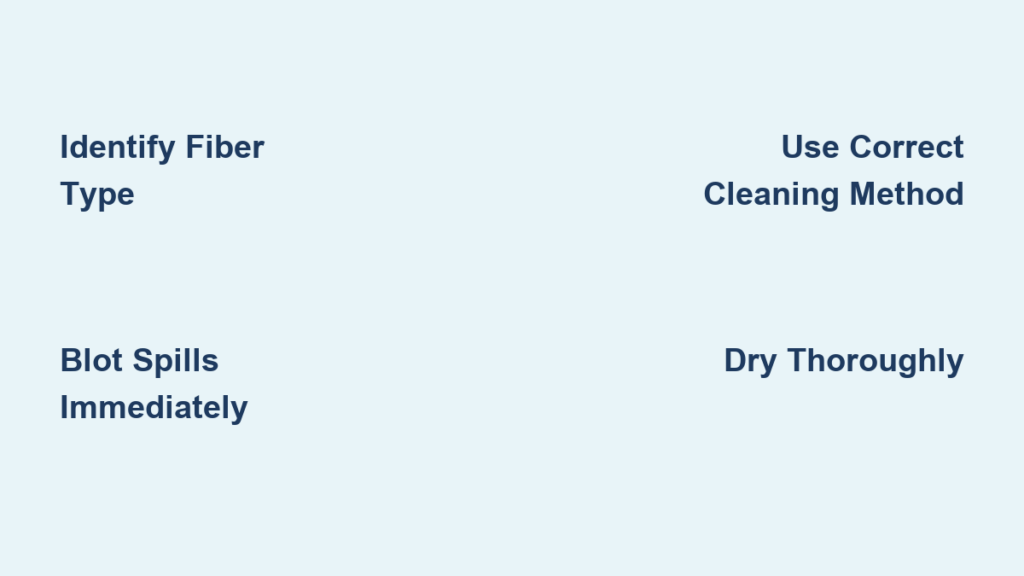
Before applying any solution, determine what you’re working with. Natural fibers like wool, silk, and jute demand gentle, low-moisture care, while synthetics such as nylon and polyester handle wet cleaning better. Conduct a quick burn test: snip a hidden fiber and hold it with tweezers over a flame. Natural fibers burn and crumble to ash; synthetics melt and form hard beads. Skipping this step risks thousands in damage to valuable rugs.
Colorfastness Check That Prevents Disasters
Even experienced cleaners skip this critical test. Dampen a white microfiber cloth with your intended cleaning solution, press firmly against a hidden rug corner for 10 seconds. Any color transfer means professional cleaning is mandatory—otherwise you’ll create permanent bleach spots. This 30-second test saves your rug from irreversible damage.
Essential Cleaning Supplies Checklist
- Vacuum with adjustable height settings and upholstery tools
- Soft-bristled brushes for delicate fibers (horsehair for most rugs)
- White microfiber cloths (colored ones bleed dye onto rugs)
- Clear dish soap, white vinegar, and baking soda
- Spray bottles (never reuse chemical containers)
- Rubber gloves and plastic tarp for floor protection
Daily Maintenance That Extends Rug Life
No-Shoes Policy Implementation That Works
Establishing a no-shoes rule cuts soil accumulation by 60%. Place attractive baskets near entrances for shoes and keep comfortable slippers available for guests. This single habit dramatically reduces deep cleaning frequency while protecting fibers from grinding dirt.
Proper Vacuuming Technique for Every Rug
Most people vacuum incorrectly, damaging fibers in the process. Start from the rug center, working outward in overlapping passes. Make 3-4 passes over each section from different directions—north-south, then east-west. Adjust vacuum height: too low damages fibers, too high misses dirt. For high-traffic areas, vacuum daily using suction-only settings.
Pro tip: Rotate rugs 180 degrees weekly in high-use areas to prevent uneven wear patterns. This simple habit extends your rug’s life by years.
Immediate Spill Response Protocol
Speed beats every stain. When spills happen, grab a clean cloth and blot—never rub. Apply firm pressure for 30 seconds, rotate to clean sections, repeat until no more liquid transfers. For solids, use a spoon working from outside toward center to prevent spreading. Acting within 60 seconds prevents most stains from setting permanently.
Deep Cleaning Methods for Every Rug Type
Dry Cleaning for Delicate Vintage Rugs
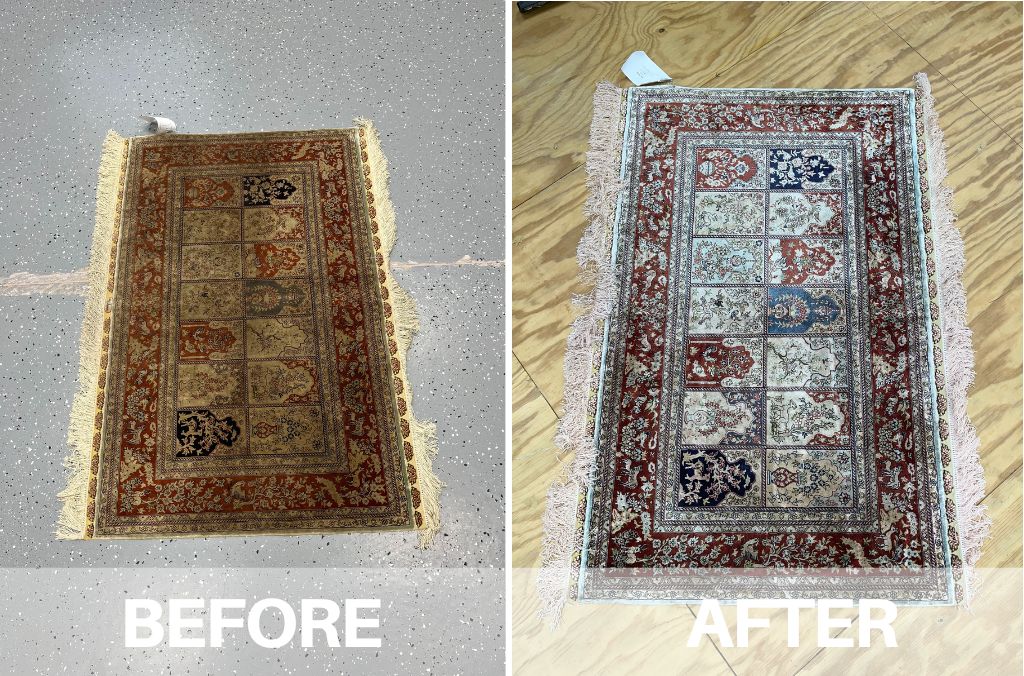
Mix 1 cup cornstarch with ½ cup baking soda. Sprinkle evenly, work in with a soft brush using circular motions. Let sit 30 minutes to absorb oils and odors. Vacuum thoroughly using brush attachment—multiple passes ensure complete removal. This method safely cleans silk, antique, or questionable rugs without moisture damage.
Foam Cleaning for Most Area Rugs
Create thick foam: 2 teaspoons mild dish soap mixed with 1 pint lukewarm water, whipped until creamy. Work in 2×2 foot sections using only the foam. Apply with soft brush in pile direction using gentle circles. After 5-10 minutes, vacuum dried foam completely. This how to clean a rug at home technique prevents over-wetting that causes mold.
Water Extraction for Synthetic Rugs
Mix ¼ teaspoon mild detergent per 1 quart cold water. Test first in hidden area. Lightly mist rug surface without saturating backing. Work in sections with soft brush following pile direction. Extract moisture using wet/dry vacuum on lowest setting. Rinse with clean water to remove soap residue—critical for preventing sticky residue.
Special Care for Wool and Silk Rugs
Wool Rug Cleaning Without Shrinkage
Wool shrinks dramatically when wet. Use wool-specific cleaners or 1 teaspoon wool wash per 1 quart cold water. Always work with the pile direction—never against it. Dry flat away from heat or sunlight, reshaping every few hours during drying. Never use vinegar on wool—it damages fibers.
Silk Rug Spot Cleaning Protocol
Silk requires extreme caution—professional cleaning strongly recommended. For minor spots, use only cold water and silk-specific cleaner. Blot gently—never rub. Dry immediately using cool air from hair dryer held 12 inches away. One wrong move can permanently damage delicate silk fibers, so proceed with extreme caution when learning how to clean a rug at home.
Remove Wine, Pet Stains, and Other Spills
:max_bytes(150000):strip_icc()/KF_TheSpruce_Wine-Final-bd676b4883834921a9f7ecd831be260a.png)
Wine and Coffee Stain Removal
- Blot excess liquid immediately
- Dilute with cold water application
- Paste baking soda and water (3:1 ratio)
- Apply paste, wait 15 minutes
- Vacuum when completely dry
- Repeat if shadow remains
Pet Accident Emergency Response
For fresh accidents, first remove solids with paper towels. Blot urine until no moisture transfers. Apply 50/50 white vinegar and cold water solution, saturating the area. Let sit 5-10 minutes, then blot dry. Follow with baking soda application—sprinkle liberally and let dry 6-8 hours before vacuuming. Never use ammonia-based cleaners—they attract pets to re-soil the area.
Dry Your Rug Without Causing Damage
Speed Drying Technique That Prevents Mold
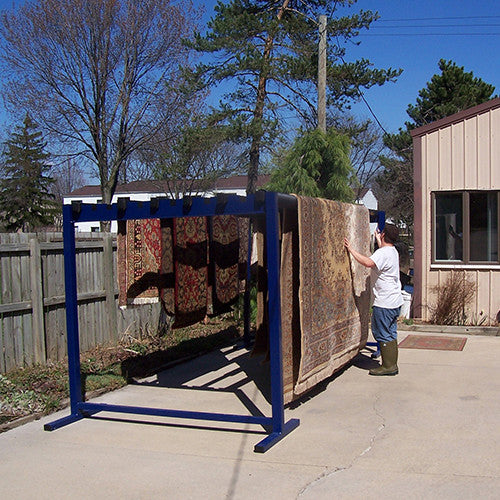
After cleaning, elevate rug using sawhorses or chairs for air circulation. Position fans to blow air across—not directly onto—the surface. Flip thick rugs every few hours for even drying. Total drying time: 6-24 hours depending on thickness. Never walk on damp rugs—this pushes moisture into backing.
Post-Cleaning Grooming for Professional Results
Once completely dry, vacuum thoroughly to restore pile. Use soft brush on matted areas to lift fibers. Rotate rug 180 degrees for even wear. Consider fabric protector spray (always test first) for future stain resistance—this simple step extends time between deep cleanings.
Prevent Future Stains and Wear Problems
Monthly Deep Maintenance Routine
Deep vacuum entire rug surface monthly. Check rug padding—replace when compressed. Inspect wool rugs for moth damage (bare spots or cocoons). Schedule professional consultation for valuable pieces annually. Regular maintenance prevents 80% of serious rug problems.
Quarterly Rotation Strategy That Works
Rotate rugs 180 degrees every 3-4 months. This prevents uneven wear patterns and sun fading. Deep clean using appropriate method each quarter. Inspect and clean fringes—never let them get matted or tangled. Strategic rotation doubles your rug’s lifespan.
Fix Common Rug Issues at Home
Eliminate Persistent Odors Without Chemicals
For smoke or pet odors, baking soda works overtime. Liberally cover entire rug surface, let sit overnight (12-24 hours for severe smells). Vacuum thoroughly using fresh bag. Repeat 2-3 times for stubborn odors. Activated charcoal packets under elevated rugs absorb odors during storage.
Flatten Rolled Corners Without Damage
Reverse roll rug in opposite direction, secure with weights for 24-48 hours. Heavy books on corners work for several days. Use carpet steamer carefully on synthetic rugs to relax stubborn fibers—never on wool or silk. This simple fix saves hundreds in professional re-stretching.
Mastering how to clean a rug at home properly transforms your cleaning routine from stressful emergency responses to confident maintenance. Start with proper identification, implement daily vacuuming habits, and address spills within 60 seconds. When deep cleaning becomes necessary, choose the method matching your specific rug type. Your rugs will maintain their beauty and value for decades with these proven techniques—saving you hundreds in professional cleaning fees while protecting your investment.