That rock-hard cantaloupe mocking you from the fridge isn’t a lost cause—it’s a sleeping giant of sweetness waiting to awaken. Most shoppers don’t realize cantaloupes keep ripening after harvest through ethylene gas production, meaning even the firmest grocery-store find can transform into juicy perfection in just days. But skip the guesswork: improper handling turns hopeful melons into mushy disasters. You’ll master how to ripen cantaloupe at home using nature’s own ripening triggers while avoiding the #1 mistake that ruins flavor.
Forget waiting weeks for store-bought cantaloupes to soften. Ethylene—the natural ripening hormone—works faster when concentrated, letting you control timing like a pro. Whether you need dessert-ready melon for tomorrow’s brunch or want to pause ripening for weekend guests, these techniques leverage temperature, companion fruits, and airflow. By the end, you’ll spot perfect ripeness blindfolded and never waste another underripe melon again.
Speed Up Ripening with These Proven Methods

Paper Bag Technique for Maximum Control
Skip plastic bags—they trap moisture and cause rot. Instead, place your cantaloupe in a standard brown paper grocery bag, fold the top loosely, and store it at 68–72°F (20–22°C). The paper absorbs excess humidity while concentrating ethylene gas around the fruit. Check daily by lifting the bag and sniffing near the blossom end (the opposite side from where the stem attached). You’ll detect a subtle sweet scent within 24 hours. Most melons hit peak ripeness in 1–3 days using this method alone.
Critical warning: Never seal the bag completely. Trapped moisture breeds mold within hours. If your kitchen exceeds 75°F (24°C), check twice daily—heat accelerates ripening by 20%.
Ethylene Bomb Method for Stubborn Melons
When paper bags aren’t enough, deploy ethylene-producing allies. Add one ripe banana or apple to the bag with your cantaloupe—these fruits emit 3–5x more ethylene than melons alone. Replace the banana daily as it overripens to maintain consistent gas levels. This combo slashes ripening time to 1–2 days. Avoid bruised companion fruits, as they release fermentation compounds that create off-flavors.
Pro tip: Use only one companion fruit per cantaloupe. Multiple bananas cause uneven softening, leaving you with a mushy blossom end and rock-hard stem area. For emergency ripening, pair this with a slightly warmer spot (75–78°F/24–26°C).
Rice Burial Method for Flavor Depth
Traditional Asian kitchens swear by this foolproof trick. Completely submerge your cantaloupe in uncooked rice, oats, or barley inside a bowl. The grains stabilize temperature, apply gentle pressure, and create an ethylene-rich microclimate. Check twice daily by removing the melon and testing the blossom end with light thumb pressure—it should yield slightly without dimpling. Rice-buried cantaloupes often develop richer flavor in 1–2 days versus bag methods.
Why it works: Unlike paper bags, grains prevent temperature swings that cause uneven ripening. Ideal for ripening multiple melons simultaneously without cross-contamination.
Identify Perfect Ripeness in 10 Seconds
Non-Negotiable Visual Checks
Stop guessing—watch for these foolproof signs:
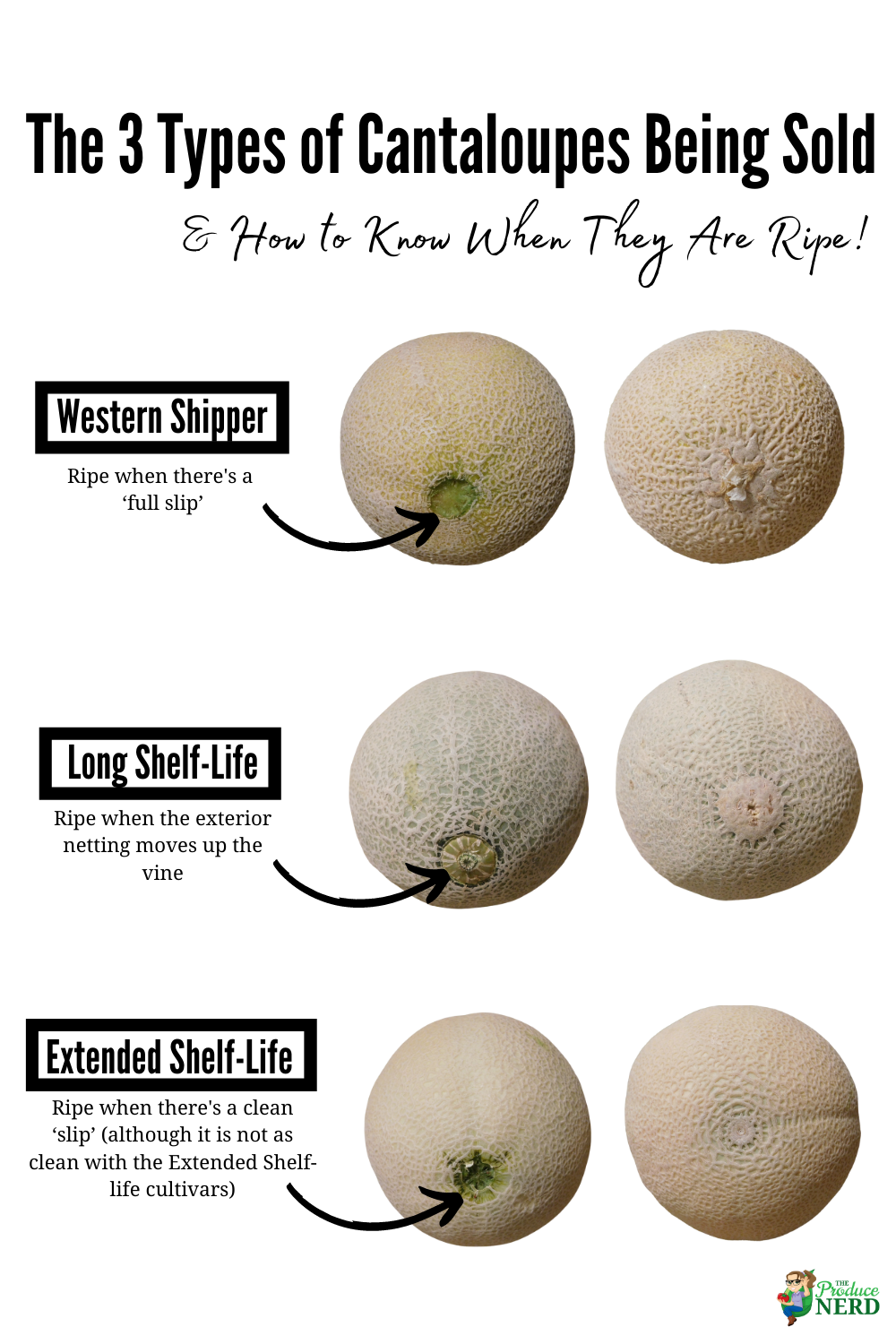
– Netting transformation: The webbed pattern becomes raised and rough-textured (not smooth)
– Color shift: Green undertones between netting turn creamy beige or golden-yellow
– Stem scar: A clean, dry depression replaces green or rough patches
– Weight surprise: A ripe cantaloupe feels noticeably heavier than similar-sized unripe ones
Spot test: Hold two melons of identical size. The heavier one contains 15–20% more juice and sugar—guaranteeing sweeter results.
Touch and Smell Confirmation
Press the blossom end firmly with your thumb. It should give slightly like a ripe avocado but spring back immediately—no permanent dent. If it’s rock-hard, wait another day; if mushy, it’s overripe. Simultaneously, inhale deeply at the same spot. A strong, floral-sweet fragrance means perfect ripeness. No smell? Keep ripening. An alcoholic tang? Use within 12 hours for smoothies before fermentation ruins texture.
Stop Overripening Before It Ruins Your Melon
Emergency Overripe Warning Signs
Overripening happens fast—catch these red flags early:
– Alcohol odor replacing sweet fragrance
– Mushy spots that indent deeply under light pressure
– Fermentation bubbles visible under the rind
– Dull skin losing its golden sheen
Damage control: If spotted, refrigerate immediately at 36–41°F (2–5°C). The cold halts deterioration for 12–24 hours—enough time to make sorbet or grilled cantaloupe. Never wash before refrigerating; moisture speeds mold growth.
Precision Ripening Pauses
Need to delay peak ripeness? Move the melon to a cooler spot (60–65°F/15–18°C), like a basement pantry. For urgent pauses, refrigerate for up to 24 hours—this slows ethylene production without damaging texture. To restart, bring it back to room temperature for 6–8 hours.
Pro strategy: Stagger ripening for weekly use by starting new melons every 36 hours. Label bags with start times using masking tape.
Fix Common Ripening Disasters
Cure Uneven Softening
When one side turns mushy while other areas stay green, temperature fluctuations are the culprit. Rotate your cantaloupe 180 degrees every 6–8 hours during ripening. Ensure it’s away from windows (direct sun creates hot spots) and heating vents. If using companion fruits, place them below—not beside—the melon to distribute ethylene evenly.
Rescue Extremely Underripe Melons
Rock-hard cantaloupes with pale green rinds need aggressive intervention:
1. Combine paper bag + ripe banana
2. Place in warmest room spot (75–78°F/24–26°C)
3. Check every 12 hours for 3–5 days
If sweetness never develops after 5 days, repurpose it: cube for prosciutto-wrapped appetizers or blend into gazpacho—the acidity balances blandness.
Storage Secrets for Maximum Freshness
Post-Ripening Preservation
Once perfectly ripe, refrigerate immediately. Whole melons last 3–5 days at 36–41°F (2–5°C). For cut cantaloupe:
– Pat dry with paper towels
– Store in airtight containers (not plastic wrap)
– Consume within 72 hours
Freeze for smoothies: Cube peak-ripe melon, spread on a baking sheet, freeze solid, then transfer to sealed bags. Stays fresh for 6 months.
Pre-Ripening Refrigeration Hacks
Bought too many rock-hard melons? Delay ripening by refrigerating for 3–5 days. Always:
– Wash rinds under running water first (removes surface bacteria)
– Check for hidden bruises—refrigeration worsens existing damage
– Bring to room temperature 24 hours before ripening
Never store near onions or garlic—their odors permeate thin melon rinds.
Quick Ripening Timeline Cheat Sheet
| Method | Time to Ripeness | Best For |
|---|---|---|
| Paper bag alone | 1–3 days | Most store-bought melons |
| Paper bag + banana | 1–2 days | Very firm or green melons |
| Rice burial | 1–2 days | Multiple melons; flavor depth |
| Extreme underripe cases | 3–5 days | Pale green melons with no aroma |
Temperature rule: Every 5°F above 70°F shaves 6–8 hours off ripening time. Below 65°F? Add 12+ hours per degree.
Final Ripening Mastery Tips
Master how to ripen cantaloupe at home by planning backward from your event. Start paper-bag ripening 48 hours before serving—peak sweetness hits 24–48 hours after full color develops. If ripening too fast, move to a cooler spot; too slow? Add a banana and warm location. Always wash the rind thoroughly before cutting to prevent bacteria transfer.
Remember: ethylene is your ally, but moisture is the enemy. Skip plastic containers, rotate daily, and trust your nose over calendars. With these techniques, that grocery-store disappointment becomes the sweetest, juiciest cantaloupe you’ve ever tasted—guaranteed. Your next melon won’t just be ripe; it’ll be perfected.