When disaster strikes and your tap runs dry, knowing how to purify water at home becomes your lifeline. Whether facing a hurricane, burst pipe, or extended power outage, contaminated water can harbor dangerous pathogens that cause severe illness. This critical skill transforms questionable sources—like murky rainwater or stagnant pipe reserves—into safe hydration using everyday household items you already own.
Learning how to purify water at home isn’t just practical; it’s non-negotiable for family safety when emergencies hit. Unlike store-bought filters, these methods work without electricity or special equipment, leveraging boiling, bleach, or iodine to neutralize bacteria, viruses, and parasites. By the end of this guide, you’ll confidently execute every step—from pre-filtering cloudy water to storing purified reserves—ensuring your household stays protected when clean water vanishes.
Emergency Water Disinfection Methods
Boiling: Your First Defense
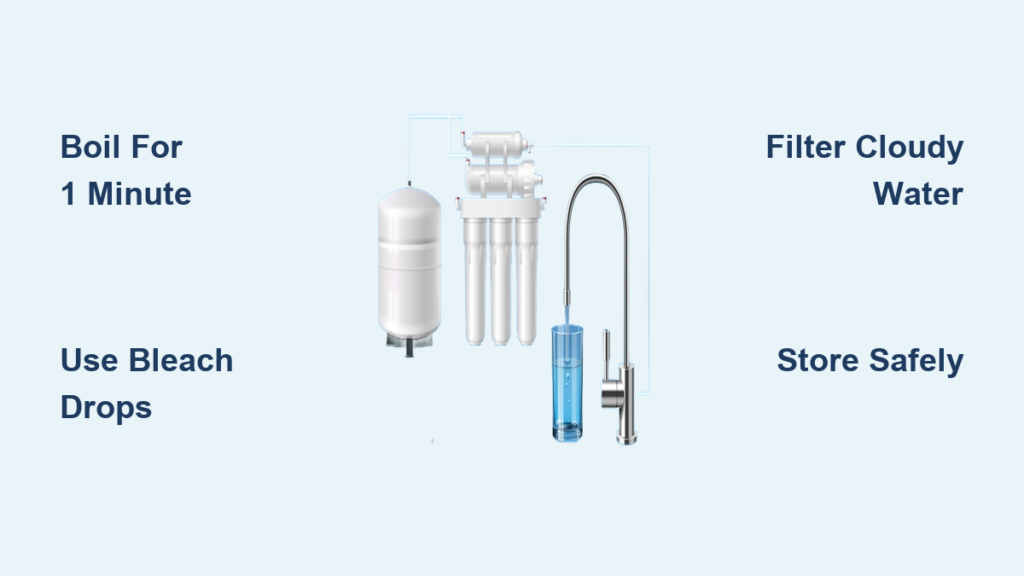
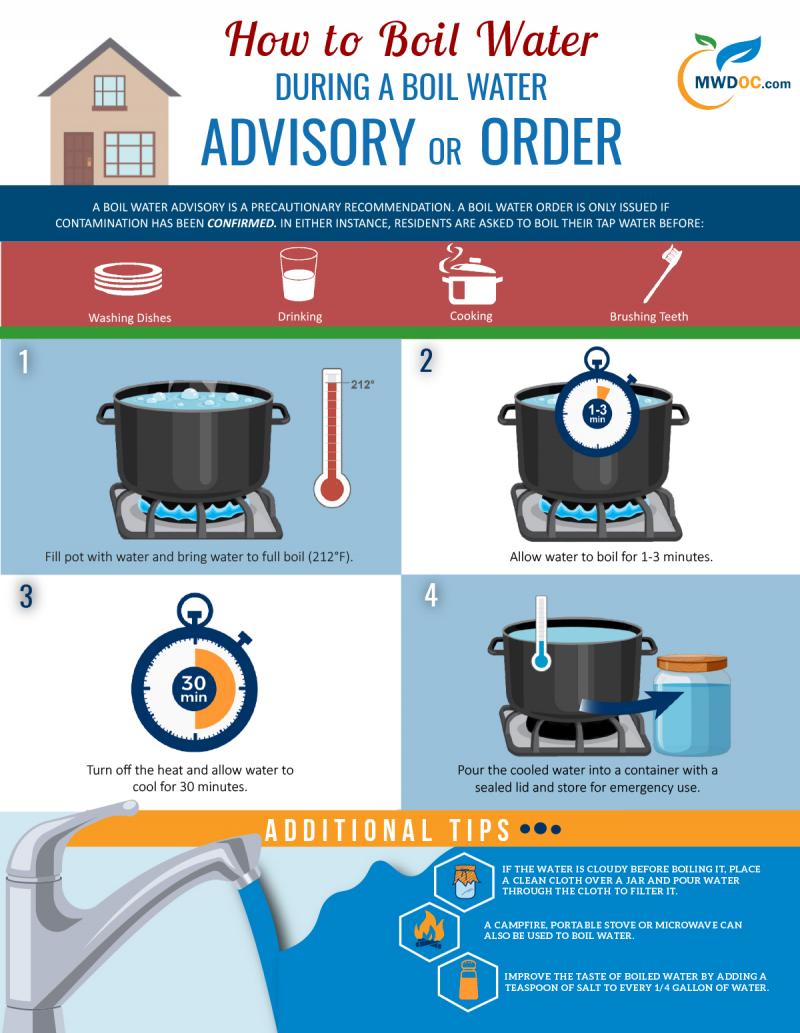
Boiling remains the most reliable method to purify water at home because it destroys nearly all disease-causing microorganisms. Start by pre-treating cloudy water: let it settle for 30 minutes in a clean container, then pour the top layer through a coffee filter or clean cotton cloth to remove debris. Bring the filtered water to a rolling boil—where large bubbles aggressively break the surface—for exactly 1 minute at sea level. If you live above 5,000 feet elevation, extend boiling to 3 minutes to compensate for lower atmospheric pressure. After cooling naturally (never add ice or uncovered containers), store it in sanitized bottles with tight seals.
Pro Tip: Improve flat-tasting boiled water by adding one pinch of salt per quart or pouring it between two clean pitchers 5 times to reintroduce oxygen. Always prioritize boiling when possible—it’s foolproof for making water safe during boil-water advisories.
Household Bleach Disinfection
When boiling isn’t feasible, unscented household bleach offers a precise chemical solution to purify water at home. Crucially, only use bleach with 6% or 8.25% sodium hypochlorite—never scented, color-safe, or “splashless” varieties, as additives can be toxic. First, filter cloudy water through layered paper towels or a pillowcase. Then, add bleach drop-by-drop using a clean dropper: for 1 gallon of clear water, use 8 drops of 6% bleach or 6 drops of 8.25% bleach. Stir vigorously for 30 seconds and wait 30 minutes minimum—the water should have a faint chlorine smell. If odorless, repeat dosing and wait 15 more minutes.
Warning: Double the bleach amount for cold, cloudy, or colored water. Over-treatment creates harsh flavors, so pour water between containers to mellow the taste if needed. Bleach stored over a year loses potency—replace quarterly in your emergency kit.
Filter and Treat Cloudy Water
Pre-filtration Techniques
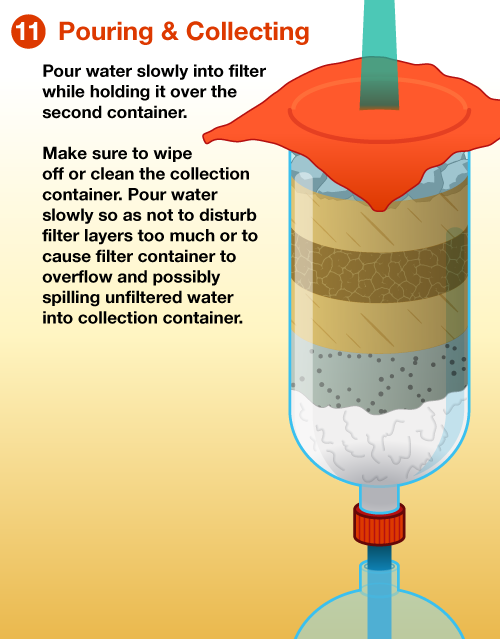
Cloudy water reduces disinfection effectiveness by shielding pathogens, so pre-filtration is non-negotiable when you need to purify water at home. For immediate action, layer 2–3 coffee filters in a funnel or stretch a clean cotton t-shirt over a jar opening. Pour water slowly, discarding the first murky cup. Alternatively, use the settling method: fill a container ¾ full, wait 60 minutes for sediment to sink, then gently decant the top ⅔ into a clean vessel. Avoid disturbing the cloudy bottom layer—it harbors the most contaminants.
Visual Cue: Safe-to-treat water should resemble weak tea—not opaque milk. If particles remain after filtering, repeat the process before disinfection.
Alternative Disinfection Solutions
Iodine Treatment Method
Iodine tincture (2% strength) effectively purifies water at home but requires caution. Add 5 drops per clear quart or 10 drops for cloudy water, stir thoroughly, and wait 30 minutes minimum. Cold water below 68°F demands extended contact time—up to 60 minutes—to ensure pathogen kill. Never use iodine if pregnant, nursing, or with thyroid issues, as it poses health risks. For better taste, add powdered drink mix after treatment.
Water Purification Tablets
Tablets provide portable, foolproof purification for home emergencies. Chlorine tablets work fastest (30-minute wait) but leave a chemical aftertaste; chlorine dioxide tablets take 4 hours but yield the best flavor. Always check expiration dates—iodine tablets degrade after 4 years—and store them in original airtight packaging. Drop one tablet per quart, stir, and wait the specified time. Critical: Never crush tablets; dissolution rate affects safety.
Emergency Water Sources at Home

Hidden Water Reserves
Your home holds untapped reserves to purify water at home during crises. Tap your hot water tank by: 1) Turning off power/gas, 2) Closing the main water valve, 3) Opening the drain valve to collect 30–80 gallons (depending on tank size). Recover pipe water by opening the highest faucet to release air, then collecting from the lowest spigot until flow stops. Never drink melted freezer ice if the power was out over 4 hours—thaw it first in sealed bags to avoid contamination.
Pro Tip: Rainwater collected after the first 30 minutes of rainfall is safer—discard the initial runoff that washes roof debris into your bucket.
Water Storage and Rotation
Proper Storage Containers
Store purified water in food-grade containers only—HDPE #2 plastic (marked on bottom), glass jars, or stainless steel. Avoid milk jugs; their porous surfaces breed bacteria and degrade quickly. Sanitize containers by: 1) Washing with hot soapy water, 2) Rinsing thoroughly, 3) Filling with a bleach solution (1 tsp per quart), 4) Air-drying upside down. Fill immediately after drying to prevent airborne contaminants.
Storage Guidelines
Rotate stored water every 6 months—label containers with fill dates and purification method (e.g., “Boiled 08/2024”). Keep reserves in a cool, dark place (50–70°F) away from gasoline, pesticides, or concrete floors (use wooden pallets). Warm storage accelerates plastic leaching, while sunlight promotes algae growth. Always use oldest water first for cooking or drinking.
Common Mistakes to Avoid
Dangerous Errors sabotage your efforts to purify water at home. Skipping pre-filtration for cloudy water allows pathogens to survive disinfection. Using expired bleach or tablets—check dates quarterly—renders treatment useless. Never store purified water in warm garages; heat degrades plastic and breeds bacteria. Critical: Mixing bleach with ammonia (in some cleaners) creates deadly chloramine gas—keep chemicals separate.
Taste Troubleshooting: Strong chemical flavors mean over-treatment. Fix this by pouring water between pitchers for 10 minutes to dissipate excess chlorine. If water tastes metallic, your source likely contains heavy metals—boiling won’t remove these; seek professional help.
Testing and Verification
Simple Safety Checks
After purification, verify safety with three quick checks: 1) Visual: Water must be crystal clear—no cloudiness or particles. 2) Smell: A faint chlorine or iodine odor confirms proper disinfection; fuel-like or chemical smells mean contamination—discard immediately. 3) Taste: Slight chemical notes are normal; sour, metallic, or bitter flavors indicate unsafe water.
When to Seek Help: Contact the Safe Drinking Water Hotline (1-800-426-4791) if water smells like gasoline, comes from a flooded well, or shows oil sheens. Well owners must get professional testing after floods—disinfection alone may not remove chemical pollutants.
Quick Reference Emergency Card
Keep this laminated cheat sheet in your emergency kit:
- BOIL: 1 minute (3 minutes >5,000 ft elevation)
- BLEACH: 8 drops per gallon (6% solution)
- IODINE: 5 drops per clear quart (10 if cloudy)
- WAIT: 30 minutes minimum after treatment
- STORE: 6 months max in cool, dark place
Mastering how to purify water at home transforms panic into preparedness when disasters strike. These methods—boiling, bleach, filtration, and tablets—leverage everyday household items to neutralize life-threatening pathogens within minutes. Start practicing today: boil a quart of tap water, test your bleach dropper accuracy, and store two gallons in food-grade containers. When clean water vanishes, you’ll act with confidence, not fear. Rotate supplies every six months, teach children the basics, and bookmark the EPA’s emergency water guidelines—because in crisis, your knowledge is the purest resource you own.