That first icy wind rattles your windows, and suddenly your living room feels like a walk-in freezer. Your toes turn numb on hardwood floors, your breath fogs near drafty windows, and you’re layering sweaters just to sit at the dining table. Before you blast the thermostat and watch your energy bill balloon, understand this: 90% of homes leak heat through invisible gaps, inefficient systems, and habits you can fix today. This guide reveals exactly how to make home warmer without expensive heating overhauls—using proven methods that target where heat actually escapes. You’ll discover budget fixes you can complete before lunch, strategic thermostat tweaks that slash bills, and long-term investments that pay for themselves. Whether you rent a 1950s apartment or own a historic home, these actionable steps deliver real warmth starting now.
Most homeowners wrongly blame windows for heat loss, but the real culprits are often hidden. Your ceiling, walls, and floors bleed 31% of warmth, while chimneys and air ducts suck away another 29%. Even tiny gaps around outlets and plumbing add up fast. The good news? You don’t need an engineering degree to stop these leaks. This guide cuts through the noise with specific, tested solutions—prioritized by impact so you tackle $5 fixes before $5,000 upgrades. Let’s transform your drafty space into a cozy sanctuary.
Pinpoint Your Home’s Heat Escape Routes
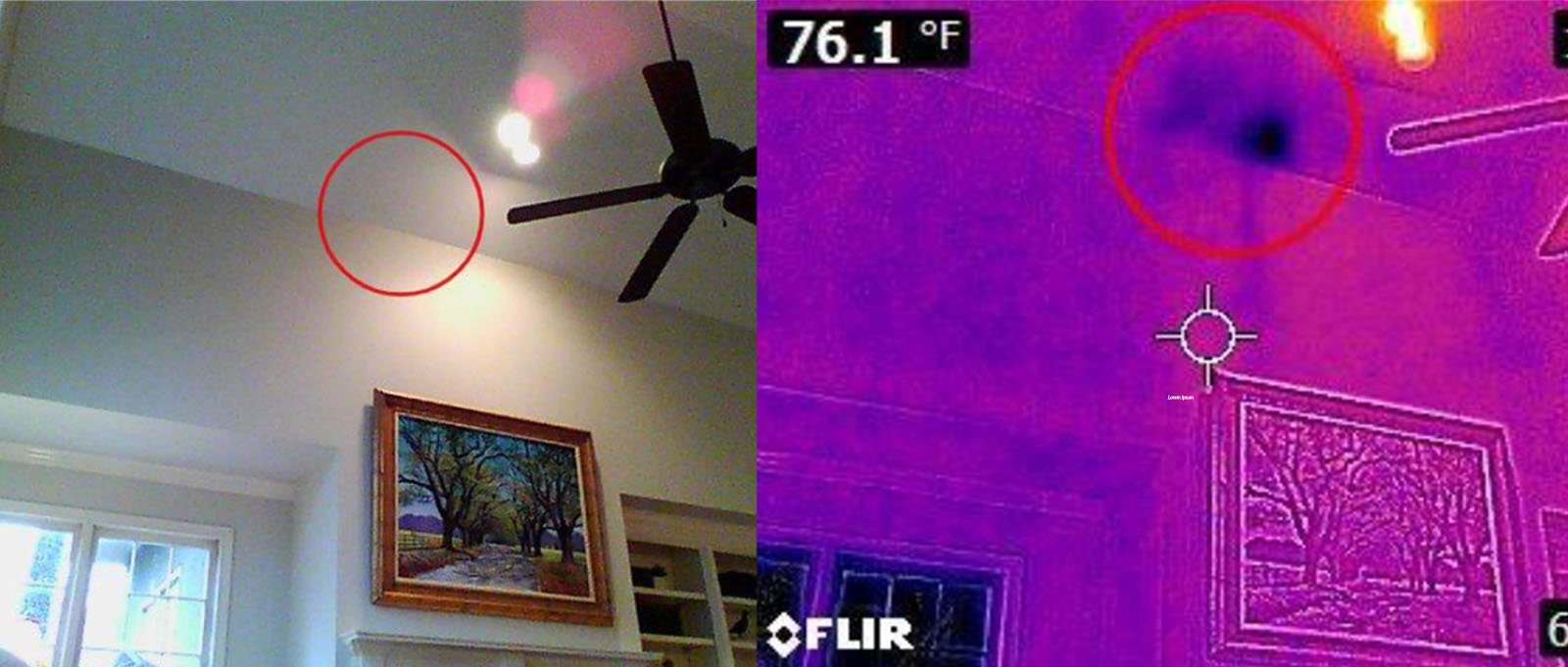
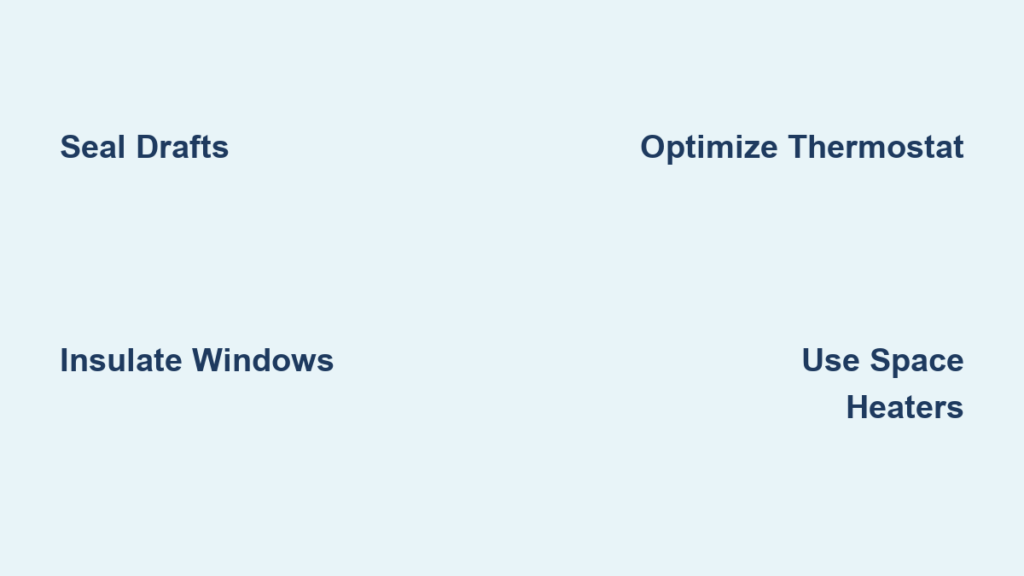
Skip guesswork—find exactly where warmth vanishes using three no-cost methods. Focus on high-impact zones first: ceilings, exterior walls, and window/door junctions. These areas cause the most significant energy drains, so sealing them delivers immediate temperature gains.
Draft Detection Tactics That Actually Work
Visual inspection spots obvious gaps where building materials meet—like window frames separating from walls or cracked caulk. Check corners, baseboards, and attic hatches for daylight penetration. On windy days, the hand test reveals hidden leaks: dampen your palms and slowly trace window edges, outlets, and door jambs. Sensitivity increases dramatically when skin is slightly wet, making even faint breezes noticeable. For invisible air rivers, the candle test is foolproof. Hold a lit candle near suspect areas—flickering indicates airflow. Move it around electrical plates, under doors, and along window sashes to map your home’s draft blueprint.
Seal Window and Door Leaks in Under 30 Minutes
Most heat loss occurs around movable openings. The right weatherstripping stops drafts without permanent modifications—crucial for renters. Focus on door sweeps and window sashes first, as these handle the most frequent air exchange.
Window Insulation That Boosts Heat Retention
Apply plastic film kits to single-pane windows using double-sided tape along the interior frame. Shrink the film taut with a hair dryer—it creates an invisible insulating air pocket, cutting heat loss by up to 50%. For immediate relief, install thermal curtains and close them at dusk. Layer thick blackout curtains beneath decorative ones, ensuring they pool slightly on the floor to trap air. During sunny hours, open south-facing curtains to harvest free solar heat—clean windows maximize this effect, adding 2-3°F to rooms.
Door Draft Killers That Work Immediately
Block under-door gaps with a DIY draft stopper: slice foam pipe insulation to your door’s width, slip it into a fabric sleeve, and position it against the threshold. For chimneys, insert a fireplace plug or DIY cover using rigid insulation board sealed with weatherstripping tape—remove it 24 hours before lighting a fire. Never ignore electrical outlets on exterior walls; add foam gaskets behind switch plates ($2 for a pack of 50) to stop 2% of total heat loss.
Optimize Your Heating System Today
Your thermostat is the command center for warmth and savings. Setting it to 68°F while awake and dropping to 62°F when asleep saves up to 10% annually. But most systems underperform due to simple neglect—fix these before winter peaks.
Radiator Fixes That Restore Heat Flow
Bleed cold radiators using a £1 key: place a cloth under the valve, turn it counterclockwise until water drips out, then close it. Do this whenever the top half stays cold. Install reflector panels behind radiators on outside walls—aluminum foil-covered cardboard bounces heat back into the room, boosting efficiency by 20%. Crucially, maintain 12-inch clearance around radiators; furniture or curtains blocking airflow forces your system to work 30% harder.
Budget Hacks for Instant Room Warming
Targeted heat beats cranking the central system. These methods cost less than $20 and work while you sleep:
- Use space heaters strategically: Place ceramic models in frequently used rooms (like home offices), keeping them 3 feet from curtains. Turn them off when leaving the room.
- Harness cooking heat: After baking, crack the oven door open (with child/pet safety in mind) to release warm air into adjacent spaces.
- Redirect shower steam: Close the bathroom door post-shower to trap humid heat, then release it into hallways—this adds both warmth and moisture during dry winters.
Natural Heat Strategies From Daylight to Night
Leverage free solar energy and behavioral shifts to cut heating reliance:
Maximize south-facing windows by opening curtains during daylight hours—mirrors on opposite walls bounce light deeper into rooms. Close doors and vents in unused bedrooms or basements to concentrate heat where you live. Layer rugs over cold floors, especially above unheated spaces; a 1/2-inch thick rug adds significant insulation. At night, wear thermal layers indoors—fleece robes and thick socks reduce the need for higher thermostat settings.
Long-Term Upgrades With Real ROI

Prioritize these investments based on your home’s age and budget:
Blown-in wall insulation seals gaps without drywall removal, paying for itself in 3-5 years through lower bills. Replace single-pane windows with ENERGY STAR models—though costly upfront, they typically recoup costs via savings within 7 years. For the highest impact, install a heat pump: modern cold-climate models (rated for -15°F) use 50% less energy than furnaces by transferring heat rather than generating it.
Tap Into Free Government Help
Don’t miss these no-cost resources:
Claim 30% tax credits up to $2,000 for heat pumps under the Inflation Reduction Act. Request a free energy audit from your utility company—they use thermal cameras to pinpoint leaks and often provide free weatherstripping kits. Low-income households qualify for the Weatherization Assistance Program, covering insulation, air sealing, and furnace repairs at zero cost. Check eligibility via the DOE’s WAP locator tool.
Critical Safety Steps You Must Take
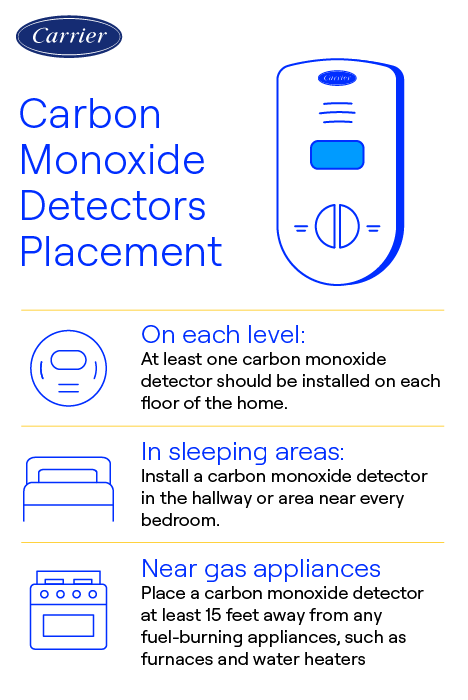
Skipping these risks health and safety:
Install carbon monoxide detectors near all combustion heaters and bedrooms—test monthly. Never use extension cords with space heaters; plug directly into wall outlets to prevent overheating. Set electric blankets on timers and avoid overnight use, especially with older models showing frayed wires. Crucially, maintain 18°C (64°F) minimum in rooms occupied by children, elderly, or those with health conditions.
Prevent Cold Emergencies With Smart Maintenance
Avoid January heating crises with these simple habits:
Replace furnace filters monthly during winter—clogged filters slash efficiency by 15%. Bleed radiators every fall before heavy use. Conduct a draft inspection in September: reapply caulk around windows and doors as weatherstripping deteriorates. Schedule an annual HVAC tune-up by a certified technician to catch issues early—this extends system life by 5+ years.
Key takeaway: Learning how to make home warmer isn’t about cranking up the heat—it’s about stopping leaks where warmth escapes. Start with $10 fixes like outlet gaskets and radiator reflectors, then layer in behavioral changes like targeted room heating. Within a weekend, you’ll feel the difference: no more icy floors at dawn, no more shivering while cooking dinner. Your energy bill will reflect it too—often dropping 15-20% before major upgrades. This winter, transform your home from drafty to deeply cozy with strategies that actually work.