When your air conditioner sputters out during a heatwave or soaring energy bills force you to skip the AC, your home can transform into an oven within hours. But before you resign yourself to sweltering misery, consider this: humans have mastered passive cooling for centuries. In Vermont, where summer days often hit 85°F but nights plunge dramatically, residents routinely drop indoor temperatures 10-15 degrees using zero electricity. These time-tested techniques work whether you’re facing an AC emergency or simply want to slash your energy costs. You’ll discover exactly how to keep home cool without AC using physics, airflow, and smart timing—proven methods that transform oppressive rooms into refreshing sanctuaries.
The magic lies in working with nature rather than fighting it. By harnessing cool night air, blocking solar heat gain, and optimizing airflow, you create what building scientists call “passive cooling.” Unlike AC that battles humidity and heat, these strategies cool your home at the source. Within hours, you’ll feel the difference as your space shifts from stifling to comfortable. Most importantly, these methods cost nothing beyond your time and attention—no special equipment required. Let’s dive into the exact steps that work when you need relief most.
Master Night-Flush Ventilation Immediately
Open Windows at Dusk for Maximum Cooling
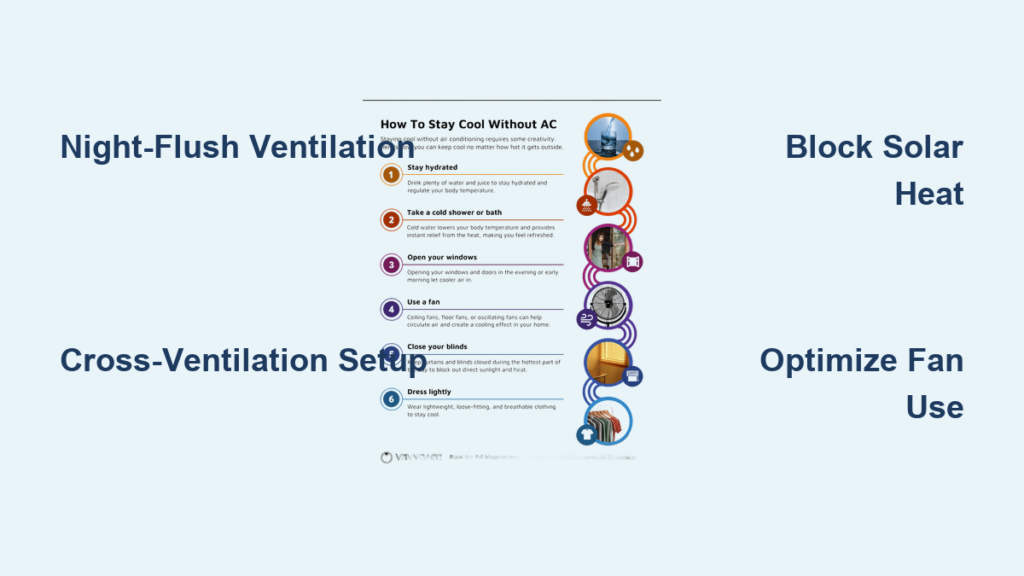
Seize Vermont’s natural temperature swing by throwing open all windows the moment outdoor air drops below indoor levels—typically after 6 PM. This “night-flush ventilation” creates a powerful vacuum effect, pulling cool air through every crack and crevice. As it moves, this air absorbs heat stored in walls, floors, and furniture, flushing it outside. You’ll wake to a home that feels freshly chilled even after 90°F days. For best results, open upper-story windows first since rising hot air creates immediate suction.
Seal Cool Air by Dawn Like a Pro
Timing is critical for locking in cool air. Close every window and blind 30 minutes before sunrise—usually between 6:30-7:30 AM—before outdoor temperatures climb. Trap the cool night air like a refrigerator by sealing south- and west-facing windows first (they receive brutal afternoon sun). Use rolled towels at window bases to block gaps. This simple daily ritual prevents your home from reheating by noon, maintaining that precious 10-15 degree temperature drop until afternoon.
Create Cross-Ventilation Systems That Work

Opposite Window Technique for Instant Breezes
Open windows on opposite sides of your home to create a wind tunnel effect—nature’s free air conditioner. When front and back windows align, even a slight breeze becomes a cooling river through your space. For Cape-style homes with multiple stories, open a ground-floor window on the shady side and an upper window on the sunny side. Hot air rises out the top window while pulling cool air upward from below. Add a box fan in the exhaust window facing OUT to triple airflow speed, dropping room temperatures within 90 minutes.
Exploit the Stack Effect in Multi-Level Homes
Leverage physics by opening high windows or attic vents while keeping lower windows closed during peak heat (10 AM-4 PM). Since hot air naturally rises, this creates continuous upward airflow that draws cooler air from basements or shaded rooms. In split-level homes, open loft windows while closing stairwell doors to isolate hot air upstairs. You’ll feel immediate relief as trapped heat escapes through the highest points, reducing upper-floor temperatures by 8-12 degrees.
Vacuum Cool Individual Rooms in 5 Minutes
Single-Room Quick Fix for Instant Relief
Target overheated spaces like bedrooms with this emergency method: Place a box fan snugly in one window facing OUT, sealing gaps with cardboard. Open another window in the same room, then close all interior doors. The fan pulls hot air out while drawing cool air through the open window—like a vacuum for heat. Most rooms drop from 82°F to 75°F within 2 hours when outdoor temps are cooler. Works best after 6 PM when evening air cools.
Precision Fan Placement for Maximum Effect
Never point fans randomly. During daytime heat, always position window fans to EXHAUST hot air OUT. At night, reverse them to PULL cool air IN. For portable fans, aim them directly at your body—not just circulating air—to create an instant wind-chill effect. Professor Mike Tipton’s research confirms that fanning your face improves comfort most, while whole-body airflow lowers core temperature faster. Avoid running fans when indoor temps exceed 95°F—they’ll just blow hot air onto you.
Block Solar Heat Gain Before It Enters

Emergency Window Shading Within Minutes
Sunlight through windows acts like a 1,000-watt heater—close curtains IMMEDIATELY on south and west-facing windows during peak sun (10 AM-4 PM). No curtains? Hang sheets, blankets, or even cardboard with painter’s tape. For maximum effect, use reflective emergency blankets taped inside windows—they reflect 90% of solar radiation. This simple step prevents the “greenhouse effect” that turns rooms into ovens, dropping indoor temps by 5-7 degrees instantly.
Strategic Exterior Shading for Long-Term Results
Plant fast-growing shade trees like silver maples 15-20 feet west of your home—they’ll cast cooling shadows within 2 years. Install retractable awnings over west windows to block the brutal 3-6 PM sun. Even a patio umbrella positioned outside a sunny window creates significant shade. These solutions pay off exponentially: the EPA estimates exterior shading reduces heat gain by 45-80%, making your home noticeably cooler all summer.
Optimize Fan Performance Like an Expert
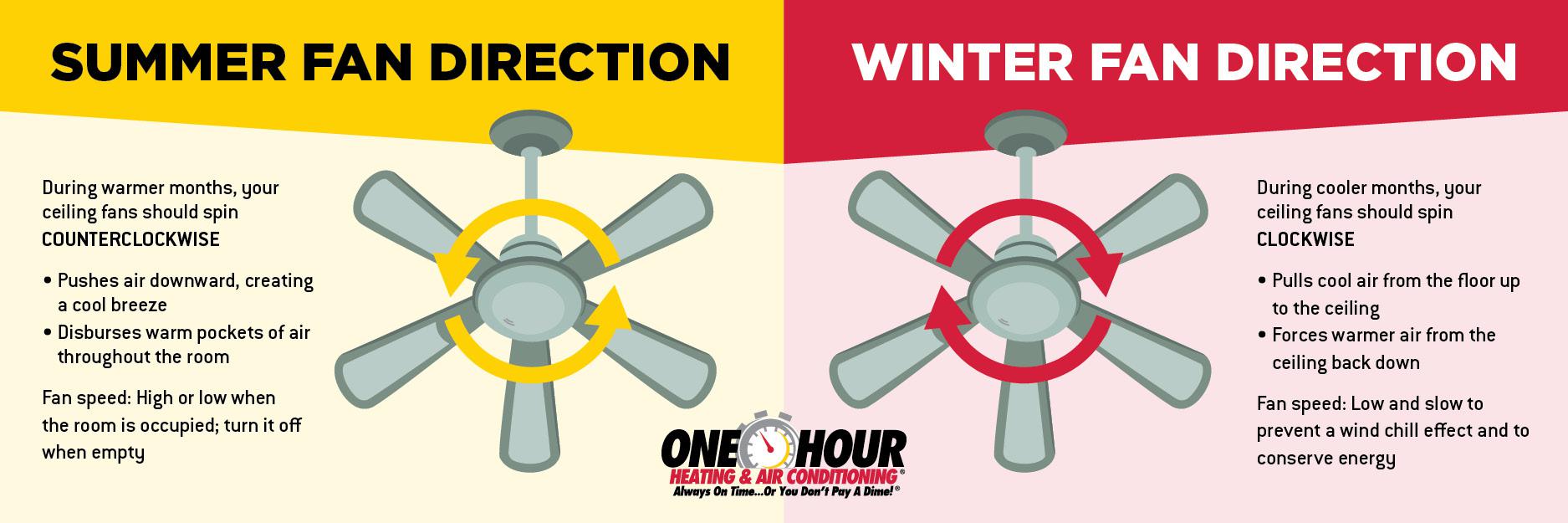
Ceiling Fan Direction Hack You’re Missing
Flip your ceiling fan’s reverse switch so blades rotate counterclockwise (viewed from below). This pushes air straight down, creating a wind-chill effect that makes 78°F feel like 72°F. On scorching days, run fans at highest speed—they use less electricity than lights while making rooms feel 4-6 degrees cooler. Remember: fans cool PEOPLE, not rooms. Turn them off when you leave the space.
Ice Fan Cooling System for Dry Climates
Transform any fan into a DIY swamp cooler: Fill large bowls with ice cubes or frozen water bottles and position them directly in front of the fan. As air passes over the ice, evaporation creates a cooling mist effect. Change ice every 2-3 hours. Works best in humidity below 50%—in Vermont’s dry summer air, this method drops perceived temps by 8-10 degrees. Never place ice directly in fan blades—use stable containers.
Eliminate Hidden Heat Sources Immediately
Kitchen Heat Management That Saves Degrees
Your oven generates 5,000 watts of heat—shift all cooking to evenings or use alternatives. Grill outside, make no-cook meals like pasta salads, or use a microwave (creates 75% less heat than ovens). Run dishwashers after 8 PM and air-dry dishes. One study found kitchen activities can raise indoor temps by 5°F—eliminating them during peak heat keeps your home naturally cooler.
Appliance Schedule Revolution for 24/7 Comfort
Unplug “energy vampires” like phone chargers and game consoles—they generate surprising standby heat. Switch all incandescents to LEDs (90% less heat). Run laundry and computers before 7 AM. Your entertainment center alone can warm a room by 3°F—turn off unused electronics. These small changes collectively reduce indoor temps by 2-4 degrees with zero cost.
Create Evaporative Cooling Anywhere
DIY Swamp Cooler for Humid Climates
Hang damp cotton towels in front of open windows—evaporation cools incoming air by 5-8 degrees. Use shallow trays of water beneath towels to maintain moisture. In moderately humid areas (like coastal regions), this ancient technique still works because moving air accelerates evaporation. For personal cooling, apply cold washcloths to neck and wrists where blood vessels are close to skin.
Personal Cooling Stations for Instant Relief
Keep frozen water bottles wrapped in thin towels for portable cooling packs at pulse points. Fill spray bottles with water for instant misting combined with fan breeze. Place cooling gel mats under desk chairs—they stay cold for hours. These body-focused methods lower your core temperature faster than trying to cool entire rooms.
Adapt Living Spaces to Beat the Heat
Basement Refuge Strategy for Extreme Days
Move activities to basements where temperatures stay 10-15 degrees cooler—heat rises naturally. Even unfinished basements provide refuge during heatwaves. Use box fans at stairwells to circulate cool air upward without warming the space. Set up a temporary workspace or sleeping area downstairs during peak heat (11 AM-3 PM).
Airflow Architecture Tweaks That Matter
Pull furniture 6 inches from walls to improve circulation. Remove clutter that traps heat under beds or in corners. Place tall plants like ferns near windows—they create psychological cooling while improving air quality. Rearrange seating to position yourself in natural airflow paths between open windows.
Master Daily Timing for Maximum Results
Early Bird Schedule to Avoid Heat Buildup
Complete heat-generating tasks before 8 AM: run dishwashers, do laundry, and prep cold meals. Refrigerate pasta salads for dinner to avoid evening cooking. By shifting these activities, you prevent heat accumulation that makes homes unbearable by 2 PM. Homes following this schedule stay 5-7 degrees cooler during afternoon peaks.
Evening Cooling Protocol That Works
Start your night-flush process at 6 PM sharp: open all windows, set fans to exhaust mode, and begin evaporative cooling. Close windows by 7:30 AM. This consistent rhythm trains your home’s thermal mass—by day three, your walls and floors naturally stay cooler, making each day progressively easier to manage.
Quick-Start Checklist: 30 Minutes to Cooler
- Close all south/west blinds immediately—this blocks 70% of heat gain
- Open opposite windows if outside air is cooler (check after 6 PM)
- Point fans OUT in hottest rooms to exhaust trapped heat
- Unplug electronics and switch to LED bulbs—eliminate hidden heat
- Place ice bowls in front of fans for instant cooling mist
- Move to lowest level—basements stay 10-15° cooler
- Apply cold towels to neck and wrists for immediate relief
- Drink cool water continuously to support natural cooling
These techniques compound powerfully when combined—night-flush ventilation plus strategic shading plus fan optimization creates cooling that rivals AC at pennies per day. While a single fan costs under 40 cents daily to run versus $6+ for AC, the real victory is resilience. Within three days of consistent practice, your home will naturally stay cooler, your body will adapt to the rhythms, and you’ll gain confidence knowing you can beat the heat without flipping a switch. Start with just two strategies tonight, and by tomorrow you’ll experience the first drop in that stifling indoor temperature—proof that comfort without AC isn’t just possible, it’s surprisingly simple.