You wake up with unexplained itchy welts arranged in a line across your arm. That sinking feeling hits—could bed bugs be invading your sanctuary? Learning how to check for bed bugs at home properly is your first line of defense against these blood-feeding pests. Unlike myths suggest, bed bugs aren’t tied to poor hygiene; they hitchhike via luggage, furniture, and even clothing. Catching them early through systematic inspection saves thousands in extermination costs and prevents sleepless nights. This guide reveals exactly where to look, what signs to spot, and how to confirm an infestation before it escalates.
Don’t waste time on ineffective DIY hacks or panic-moves that spread bugs further. Professional inspectors follow precise protocols you can replicate at home with minimal tools. Within 15 minutes, you’ll know whether those mysterious bites require immediate action. We’ll walk through each critical inspection zone, highlight often-missed hiding spots, and teach you to distinguish bed bugs from harmless look-alikes. By the end, you’ll have a foolproof routine to maintain a bed bug-free home.
Essential Detection Tools for Home Inspection
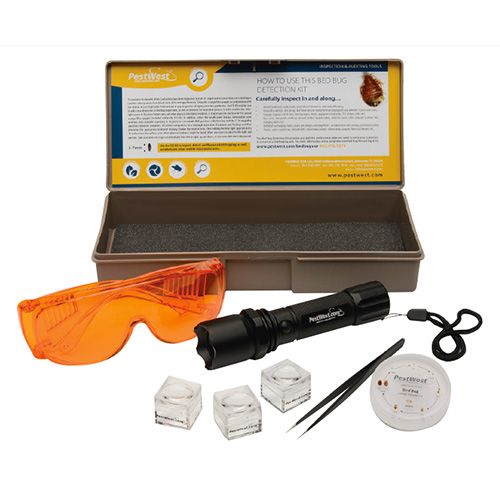
Skip the guesswork—start with a professional-grade inspection kit. You need a bright LED flashlight (300+ lumens minimum) to illuminate cracks where bugs hide, plus a 10x magnifying glass to spot eggs as small as a pinhead. Pack white latex gloves to avoid contaminating areas, sticky tape for specimen collection, and your smartphone for documentation. A credit card or plastic probe is non-negotiable for dislodging bugs from tight seams. Store these in a sealed plastic bin between uses—bed bugs can hitchhike on tools to new rooms.
Pro tip: Add white tissues to your kit. Wiping suspicious dark spots with a damp tissue reveals bed bug feces, which smears like rust instead of wiping clean. This simple test prevents misidentifying dirt or mold as infestation evidence.
Bedroom Inspection: Start With Your Mattress

Mattress Seam Examination Technique
Strip all bedding immediately and prop your mattress vertically against a wall. Begin at the headboard end, angling your flashlight across seams to cast shadows that reveal hidden bugs. Focus on piping edges, tufted buttons, and fabric rips—prime real estate for bed bugs. Check for:
– Live bugs: Apple-seed-sized, reddish-brown ovals that crawl slowly (never jump or fly)
– Fecal spots: Ink-dot-sized black/brown stains that smear when rubbed
– Shed skins: Translucent exoskeletons left after molting
– Tiny eggs: Pearly white specks clustered in folds (1mm long—barely visible without magnification)
Run your credit card firmly along seams to dislodge hidden pests. Pay extra attention to handles and corners where fabric bunches create deep crevices. If your mattress has a removable cover, unzip it and inspect the inner lining thoroughly.
Box Spring Deep Dive
With the mattress moved aside, flip your box spring to inspect the dust cover underneath. Bed bugs infest box springs 70% more often than mattresses—those loose fabric panels are perfect hiding spots. Probe wooden slats and metal joints with your credit card, especially where the frame connects to legs. Check the underside for dark fecal streaks and translucent shed skins. If the dust cover is torn, bugs are almost certainly inside. Don’t skip this step: box springs are ground zero for early infestations.
Furniture and Room Perimeter Check
Nightstand and Dresser Protocol
Empty every drawer into sealed plastic bags—never just move items to another room. Remove drawers completely to inspect:
– Inside corners where wood joints meet
– Undersides using a mirror tool
– Back panels for gaps or cracks
– Hardware holes around knobs and screws
Check electronics like alarm clocks and phone chargers; bed bugs hide in circuitry. Even books and picture frames near your bed harbor pests. Focus on items within 6 feet of your sleeping area—bed bugs rarely venture farther than this feeding range.
Wall and Baseboard Investigation
Work clockwise around the room perimeter, removing electrical outlet covers (after turning off power at the breaker). Inspect baseboard gaps where they meet the floor—bed bugs squeeze into cracks as narrow as a credit card. Pull down wall hangings and check behind loose wallpaper. Look for dark fecal streaks along ceiling-wall junctions, which indicate heavy infestation. Pay special attention to areas near heat sources like vents; bed bugs cluster where your body warmth radiates at night.
Visual Identification: Know What to Look For
Life Stage Recognition
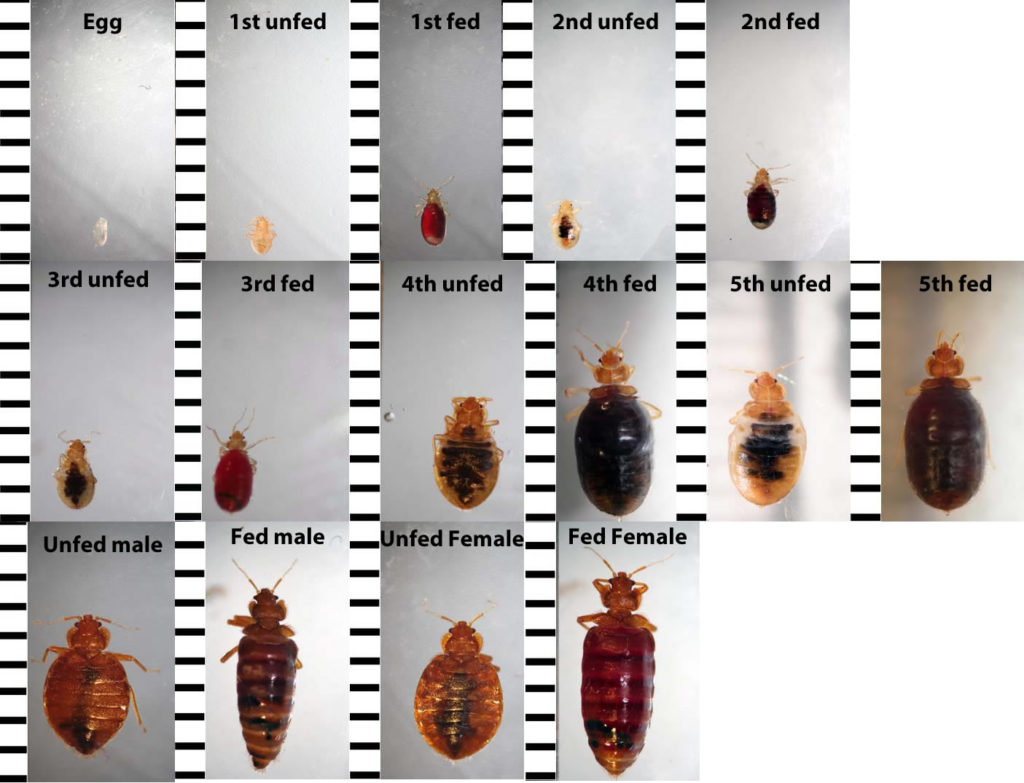
Eggs look like microscopic water droplets (1mm long) and stick in clusters to rough surfaces with a sticky secretion. Nymphs (juveniles) are nearly transparent when newly hatched, turning light brown as they mature—this makes them invisible without magnification. Adults are 5-7mm long, flat and oval when hungry, but swell to a darker red after feeding. Remember: bed bugs don’t fly or jump. If your suspect bugs move erratically, they’re likely fleas or carpet beetles.
Signs You Have Bed Bugs
Beyond live specimens, confirm infestation through:
– Blood stains: Rusty spots on sheets from crushed bugs after feeding
– Fecal trails: Dark streaks that smear like marker ink when wiped
– Musty odor: A sweet, sickly smell resembling rotten raspberries in severe cases
– Bite patterns: Small, itchy welts often in lines or clusters on exposed skin
Advanced Detection Methods for Home Use
DIY Interceptor Traps
Place black plastic interceptor cups under each bed leg—they trap bugs climbing toward you at night. Check them weekly; finding even one bug confirms active infestation. Black cups work best because bed bugs prefer dark hiding spots. Clean traps monthly with rubbing alcohol to maintain effectiveness.
Mattress Encasement Strategy
Slip your mattress and box spring into certified bed bug-proof encasements. White covers make spotting bugs easier, while the smooth surface eliminates hiding spots. Quality encasements also trap existing bugs inside, starving them within months. Install these immediately after inspection—they’re your best preventative measure.
Step-by-Step Weekly Inspection Routine
Phase 1: Quick Bed Check (5 Minutes)
Every Sunday, perform this lightning inspection:
1. Strip sheets and check for blood spots or live bugs
2. Scan mattress seams with flashlight, focusing on head/foot areas
3. Peek under bed legs to inspect interceptors
4. Wipe headboard edges with white tissue to test for fecal smears
Phase 2: Deep Monthly Inspection (30 Minutes)
Once monthly, replicate professional protocols:
1. Launder all bedding on hot cycle (120°F+) before inspection
2. Flip mattress to examine both sides thoroughly
3. Empty nightstands and inspect drawer tracks
4. Probe baseboards with credit card for hidden bugs
5. Photograph findings for comparison over time
Immediate Actions If You Find Evidence
Containment Protocol
Finding bed bugs triggers a critical 48-hour window. Do not move to another room—this spreads infestation. Instead:
1. Document everything with smartphone photos from multiple angles
2. Seal items in plastic bags before moving them
3. Vacuum aggressively using crevice tools around bed frames
4. Launder immediately on high heat (≥120°F)
5. Call professionals—DIY rarely eliminates established infestations
Warning: Never use bug bombs. They scatter bed bugs into walls and neighboring units, worsening the problem.
Common Misidentification Traps
Bugs That Aren’t Bed Bugs
Before panicking, rule out imposters:
– Carpet beetles: Round, fuzzy bodies found near windows (not beds)
– Spider beetles: Globular bodies with long legs in kitchens
– Booklice: Pale, tiny insects preferring damp bathrooms
– Fleas: Jump when disturbed; usually on pets
Key Differentiators
Bed bugs crawl slowly and stay within 8 feet of sleeping areas. If you find suspects in kitchens, bathrooms, or flying around, it’s not bed bugs. Confirm with this test: place a suspected bug in a container. If it’s active at night but vanishes by morning, it’s likely bed bugs.
When Professional Help Becomes Essential
DIY Limitations
Call exterminators immediately if:
– Bugs appear in multiple rooms
– You find evidence inside wall voids
– DIY treatments failed twice
– You live in an apartment building (bugs migrate through pipes)
Professionals use CO2 lures and detection dogs that find bed bugs 95% faster than humans. Expect $200-$500 for inspection, but this prevents wasted money on ineffective DIY solutions.
Long-term Monitoring Strategy
Quarterly Deep Dives
Mark these seasonal inspections:
– Spring: Post-travel season check after holidays
– Summer: Peak infestation monitoring during travel months
– Fall: Pre-holiday guest preparation
– Winter: Check heating vents where bugs cluster
Prevention Through Smart Habits
After hotel stays, unpack directly into the washing machine. Keep luggage on metal racks (not wood) during trips. Reduce bedroom clutter monthly—fewer hiding spots mean easier detection. Install interceptor cups permanently under bed legs; they’re your early-warning system.
Bottom line: Mastering how to check for bed bugs at home transforms fear into control. Conduct weekly 5-minute checks after travel or guests, and monthly deep inspections. The moment you spot even one bug or fecal smear, contain the area and call professionals—delaying guarantees a costly infestation. Remember: bed bugs don’t indicate poor hygiene, but ignoring early signs guarantees a nightmare. Your consistent 15-minute inspections are the ultimate shield against sleepless nights and financial strain. Start tonight—your peace of mind depends on it.