You’re following a new Thai curry recipe when you hit a roadblock: “75 ml of coconut milk.” Your measuring cups only show cups and ounces, and your phone’s conversion app feels unreliable. This scenario happens to 8 out of 10 home cooks weekly. The truth? You don’t need lab-grade tools to measure milliliters accurately at home. With everyday kitchen items and clever techniques, you can precisely measure anything from 2 ml of vanilla extract to 250 ml of broth. Forget expensive gadgets—this guide reveals how to measure ml at home using what’s already in your drawers, backed by professional culinary science.
Mastering milliliter measurement solves real pain points: ruined recipes from incorrect proportions, wasted ingredients, and medication dosing errors. Most people don’t realize their “tablespoon” holds 18-20 ml instead of the standard 15 ml—a 20% error that alters recipe chemistry. By the end of this guide, you’ll confidently measure any volume using syringes, bottle caps, scales, and even your palm. Let’s transform your kitchen into a precision measurement station.
Transform Your Measuring Cups into Metric Tools
Read Liquid Measurements Like a Pro
Your standard liquid measuring cup holds hidden metric superpowers. Flip it over and you’ll likely find milliliter markings: 60 ml (¼ cup), 120 ml (½ cup), 180 ml (¾ cup), and 240 ml (1 cup). To avoid the #1 measurement mistake, always read at eye level. Place the cup on your counter, squat until your eyes align with the measurement line, and check the bottom of the liquid’s curve (meniscus). Viewing from above adds 5-10% error—enough to turn cake batter into soup.
Critical visual cue: Water should form a perfect U-shape at the measurement line. If it’s climbing the cup’s sides (adhesion), wipe the spout dry before pouring.
Scale Hack for Water-Based Liquids
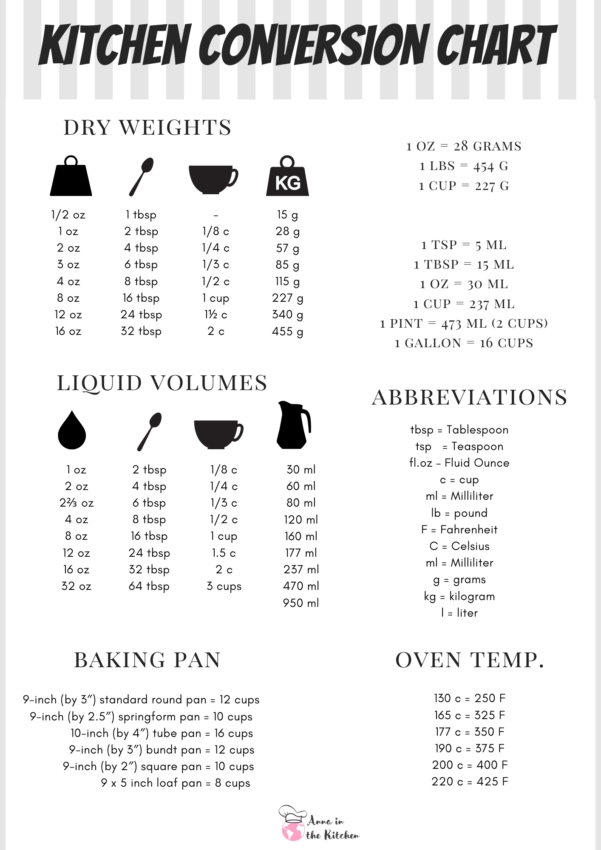
Your digital kitchen scale becomes a milliliter-measuring powerhouse with one rule: 1 ml water = 1 gram. Place your container on the scale, press tare to zero it, then pour until you hit your target weight. For broth, juice, or wine, this method delivers 99% accuracy. But remember:
– Milk requires multiplying ml by 1.03 (75 ml milk = 77.25 g)
– Olive oil needs multiplication by 0.92 (75 ml oil = 69 g)
– Honey demands 1.42x (75 ml honey = 106.5 g)
Pro tip: For everyday cooking, use the water conversion for all liquids—it’s accurate enough unless baking delicate pastries. Save density adjustments for when precision is non-negotiable.
Precision Syringe Techniques for Tiny Volumes
Pharmacy Syringes for Medication-Grade Accuracy
When you need to measure ml at home for doses under 10 ml, oral syringes beat spoons every time. Get them free with liquid medications or buy a $1.50 set at any pharmacy. Here’s how to use them perfectly:
1. Insert the tip into your liquid
2. Pull the plunger past your target mark (e.g., 2.5 ml for ½ tsp)
3. Slowly push out excess until the plunger’s bottom edge hits the line
4. For viscous liquids like syrup, tilt the container 45 degrees while drawing
Critical warning: Never reuse syringes between different substances—residue alters future measurements. Rinse immediately with hot water after use.
Cooking Syringes for Marinades and Mixes
That meat injector syringe in your utensil drawer measures 30-60 ml with surprising accuracy. Fill it to the 30 ml line for cocktail bases or 45 ml for vinaigrettes. Unlike medical syringes, these tolerate heat up to 200°F—perfect for warm reductions. Their wide barrels let you measure sticky ingredients like honey without residue errors.
Pro calibration trick: Test your syringe by filling it to 30 ml, then emptying into a measuring cup. If it’s off by more than 2 ml, adjust future measurements proportionally.
Bottle Cap and Household Item Shortcuts
Reliable Cap Volume Reference System
Stop guessing—know your bottle caps’ exact capacities:
– Soda bottle cap: 5.0 ml (most consistent across brands)
– Water bottle cap: 4.8 ml (standard 500ml plastic bottles)
– Beer bottle cap: 8.2 ml (standard 12oz bottles)
– Mason jar lid recess: 7.9 ml (perfect for small batches)
Danger zone: This method has 15-25% error. Only use it for non-critical tasks like adding vinegar to pickles—not for medication or baking yeast solutions.
Everyday Object Volume Cheat Sheet
Build instant measurement awareness with these calibrated references:
– Your tablespoon: Fill with water and pour into a measuring cup—most hold 17-20 ml (not 15 ml!)
– Standard shot glass: 44 ml (check by filling with 3 tablespoons of water)
– Single creamer cup: 14.2 ml (Starbucks brand)
– Melted ice cube: 28-32 ml (varies by freezer)
Quick test: Place your tablespoon on the scale, tare it, then fill with water. If it weighs 18g, remember “18g = my tablespoon” for future recipes.
Create Custom Measuring Containers in 5 Minutes
Step-by-Step Jar Calibration

Turn any glass jar into a precision tool:
1. Fill a standard measuring cup to 100 ml with water
2. Pour into clean, dry jar (olive oil jars work perfectly)
3. Mark the waterline with a permanent marker
4. Repeat for 200 ml, 250 ml, etc.
5. Write “100ml = broth” directly on the jar for specific uses
Pro tip: Use colored markers for different liquids—blue for water-based, red for oils—to avoid cross-contamination errors.
Mathematical Ratio Method for Common Volumes
Skip conversions with these foolproof calculations:
– 75 ml = 5 × your actual tablespoon measurement (e.g., 5 × 15 ml = 75 ml)
– 2.5 ml = ½ teaspoon (exactly)
– 90 ml = 6 × your tablespoon (ideal for vinaigrettes)
Critical adjustment: If your tablespoon holds 18 ml, use 4.17 spoons for 75 ml (75 ÷ 18 = 4.17). Round to 4 spoons + 1/6 spoon for practicality.
Avoid These Accuracy-Killing Mistakes
Temperature and Viscosity Traps

Hot water expands by 2%—a “240 ml” cup of boiling stock becomes 235 ml when cooled. Always measure hot liquids 5 minutes after removing from heat. For honey or molasses:
– Microwave for 10 seconds to reduce viscosity
– Coat your spoon with vegetable oil first
– Use weight instead (1 ml honey = 1.42 g)
Visual test: Pour warm honey into a marked jar, then refrigerate it. The level will drop 15% as it thickens—proof why temperature matters.
Meniscus Misreading Errors
80% of home measurement errors come from viewing liquid levels incorrectly. Place containers on a flat surface, bend to eye level, and align the bottom of the U-shaped curve with your mark. Never hold cups in your hand while measuring—your grip distorts the meniscus by 3-5%.
Emergency No-Tool Measurement Fixes
Dropper Calibration for Critical Doses
When lives depend on accuracy (like children’s medicine):
1. Fill dropper to 1 ml mark
2. Count drops into a teaspoon until full (should be 20 drops)
3. For 0.5 ml, count 10 drops
4. For 2.5 ml, count 50 drops
Life-saving note: If your dropper delivers 25 drops per teaspoon, adjust all calculations (e.g., 0.5 ml = 12.5 drops). Round up to avoid under-dosing.
Palm Measurement for Rough Estimates
In true emergencies, your cupped palm holds 35-45 ml of liquid. Test yours by:
1. Filling palm with water
2. Pouring into a measuring cup
3. Marking the level on masking tape
Use only for: Adding water to plants or rough estimates in survival situations. Never for medicine or baking.
Build Your Ultimate Home Measurement Station
Essential Toolkit Organization
Dedicate one drawer to measurement tools:
– Tier 1 (must-haves): Calibrated measuring spoons, 5ml/10ml syringes, 250ml glass cup
– Tier 2 (precision): Digital scale, insulin syringe (0.1ml increments)
– Tier 3 (specialized): Graduated jar for broth, oil-coated spoon for honey
Pro organization: Store syringes tip-down in a small cup to prevent dust buildup.
Annual Calibration Ritual
Prevent measurement drift with this 10-minute check:
1. Verify tablespoon accuracy with scale
2. Test syringe against measuring cup
3. Replace faded markers on custom jars
4. Recalibrate scale with 5 nickels (25g total)
Milliliter Conversion Cheat Sheet
| Volume | Household Equivalent | Accuracy Tip |
|---|---|---|
| 1 ml | 20 drops | Use medical dropper |
| 2.5 ml | ½ teaspoon | Critical for extracts |
| 5 ml | 1 teaspoon | Standard medicine dose |
| 15 ml | 1 tablespoon | Verify YOUR spoon |
| 30 ml | 2 tablespoons | Standard shot size |
| 60 ml | ¼ cup | Use liquid measuring cup |
| 240 ml | 1 cup | Read at eye level |
Key insight: When you need to measure ml at home for recipes, always start with the most accurate tool available (syringe > scale > measuring cup > bottle cap). For non-critical tasks, the bottle cap method saves time—but know its 20% error margin. Create three custom jars for your most-used volumes (e.g., 60ml for broth, 120ml for milk, 240ml for rice washing), and you’ll never fumble with conversions again. Whether you’re dosing medicine, mixing cocktails, or perfecting soufflés, these proven techniques turn measurement anxiety into kitchen confidence.