Your ring slips on with effort, leaving a red mark after just minutes of wear. Maybe summer heat caused finger swelling, or you’ve noticed a subtle weight gain tightening your favorite band. Before you resign yourself to expensive jeweler visits or abandoning cherished jewelry, know this: stretching rings at home is possible for many plain metal bands. This guide reveals professional techniques adapted for your kitchen table, showing exactly which rings can safely grow by 0.5-1 size, the critical mistakes that cause cracks, and how to avoid turning a $200 heirloom into scrap metal. You’ll learn to stretch gold, silver, and platinum bands using methods jewelers actually use—without melting stones or snapping shanks.
Which Rings Can You Stretch at Home Without Risk
Plain metal bands without stones are your safest candidates for DIY stretching. Solid gold rings between 14k-18k respond best to controlled heating, while sterling silver bands stretch beautifully cold. Thicker bands (4mm+) handle stretching forces better than delicate 2mm bands that risk cracking. Crucially, avoid stretching rings with channel-set diamonds, opals, emeralds, or pearls—these gems fracture under heat stress. Also skip bands with interior engravings or previous solder repairs, as these create weak points. If your ring has any stones set close together in an eternity band, professional help is non-negotiable—home stretching will almost certainly loosen or crack the stones.
Essential Tools to Stretch a Ring at Home (Under $100)
Basic Toolkit for Cold Stretching
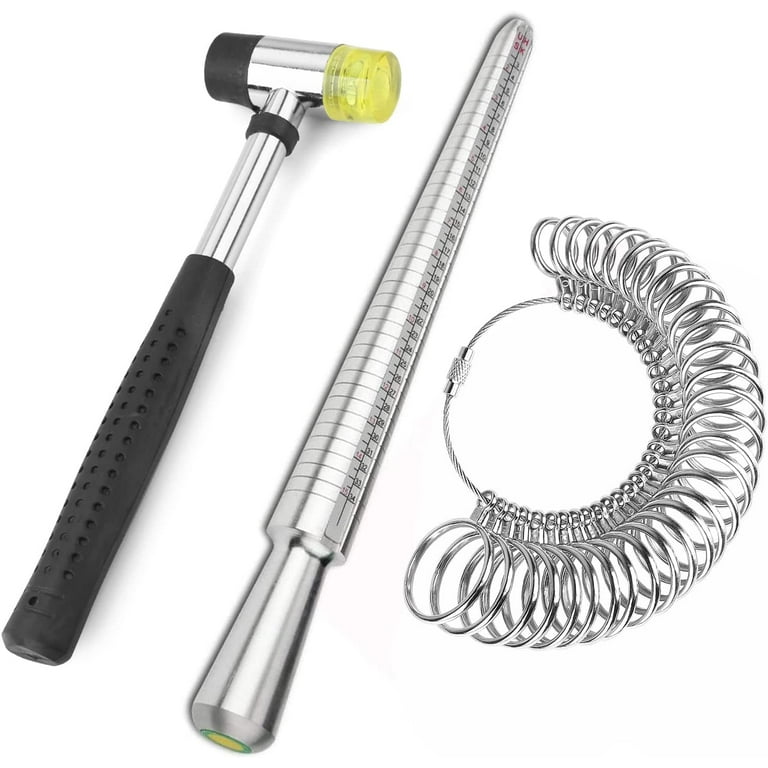
Gather these affordable tools before starting: a ring mandrel ($15-25) for precise sizing, a rawhide mallet ($12-18) that won’t scratch metal, safety glasses (non-negotiable), and a 10x jeweler’s loupe ($8-12) to spot hairline cracks. For lubrication, use jeweler’s wax or talcum powder to reduce friction. Total cost stays under $50—far less than professional resizing. Keep a soft leather strip handy to protect polished finishes during hammering.
Heating Equipment for Gold Rings
For larger stretches (up to 1 size), add a butane torch ($20-35) and soldering block ($10-15). Copper tongs ($8) safely handle hot metal. Always work in a ventilated area with flammables cleared and a fire extinguisher nearby. Never skip safety glasses—even a tiny metal fragment can cause permanent eye damage during hammering.
Method 1: Cold Stretching with Mandrel (Step-by-Step)
This zero-heat technique works best for silver rings needing minor increases under 0.5 sizes.
Prepare Your Ring Correctly
Clean your ring with mild soap to remove skin oils that cause slipping. Dry thoroughly, then apply jeweler’s wax to the mandrel. Position the ring at its current size marking, ensuring the mandrel stands vertically in your non-dominant hand. Set a realistic goal—never attempt more than 0.5 size increase per session. Wrap a leather strip around contact points if your ring has a polished finish.
Execute the Stretching Process
Use your rawhide mallet with a steady rhythm: tap-tap-rotate. Apply light, even strikes around the entire circumference, checking progress every 30 seconds by sliding the ring up the mandrel. You’ll feel the band gradually loosen as it moves down the taper. If resistance suddenly increases or you hear cracking sounds, stop immediately—this signals metal fatigue. Most silver rings stretch 0.25 sizes in under 5 minutes with this method.
Method 2: Heat & Hammer Technique for Gold Rings
This professional method allows 0.5-1 size increases but demands strict temperature control.
Heat Your Ring Safely
Place the ring on your soldering block and heat with the butane torch held 2-3 inches away. Rotate constantly for even heating. Watch for color changes: sterling silver glows dull red, 14k gold turns deep orange-red, and 18k gold shows lighter orange. Platinum requires dangerous 1,600°F+ temperatures—do not attempt at home. If your ring has stones, wrap them in wet paper towels to act as heat sinks. Never let stones exceed 200°F.
Stretch While Metal Is Malleable
Transfer the heated ring immediately to your mandrel. Work quickly—you have 60-90 seconds before cooling. Hammer with increased force (2-3x lighter than cold stretching), rotating continuously. Check sizing every 15-20 seconds. Overheating turns gold brittle—stop if you see blue discoloration. Allow slow cooling on the soldering block before inspecting for cracks.
Method 3: Ring Stretching Pliers for Precise Results

This specialized tool ($25-40) delivers controlled stretching without hammers or heat—ideal for exact 0.5-size increases.
How to Use Stretching Pliers Correctly
Position your ring between the curved jaws and set the pliers to your current size. Turn the adjustment screw in 1/8-rotation increments, checking size on your mandrel every 1/4-size increase. Stop immediately if resistance grows—forced stretching causes splits. This method preserves ring shape perfectly but maxes out at 1.5 sizes. Gold and platinum bands respond best; avoid using on thin silver bands under 2mm.
3 Critical Stretching Mistakes That Crack Your Ring
Forcing Beyond Metal Limits
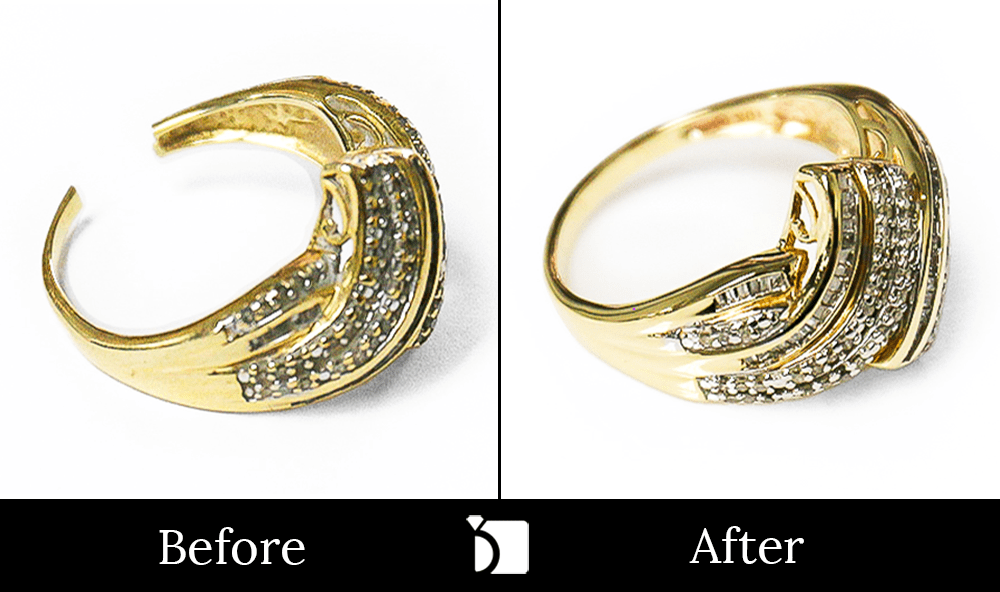
When hammering, if the ring suddenly resists movement, stop hammering. Continuing creates microscopic cracks that become visible splits. Thinner bands (under 3mm) require lighter taps—apply excessive force and you’ll hear a telltale “ping” before catastrophic failure. Always stretch in 0.25-size increments with rest periods.
Ignoring Stone Vulnerability
Heat-sensitive gems like opals fracture at 200°F. Even with wet paper towel heat sinks, home torches often overheat stones. If a stone loosens during stretching, do not continue—the setting is compromised. For any ring with stones, professional stone removal is safer than risking $500 in gem damage.
Skipping Post-Stretch Inspection
Never skip the loupe check after stretching. Rotate the ring under bright light to spot hairline cracks at stress points (usually where the band meets settings). Thin spots indicate metal fatigue—these rings may snap during normal wear. If you see any irregularities, seek professional reinforcement before wearing.
Post-Stretching Care: Preventing Metal Fatigue
Immediate Aftercare Steps
Soak the ring in warm pickle solution (or vinegar/salt mix) for 2-3 minutes to remove oxidation, then rinse thoroughly. Inspect every millimeter with your loupe before wearing. Test the fit for 2-3 hours—properly stretched rings shouldn’t leave indentations. Clean stones with a soft toothbrush to remove residue.
Long-Term Monitoring
Stretched rings develop thin spots at stress points over time. Inspect monthly by running your fingernail along the inner band—you’ll feel ridges where metal has weakened. Most rings tolerate only 2-3 stretching sessions before requiring professional shank replacement. If you notice increased flexibility or visible thinning, stop wearing the ring immediately.
When Professional Help Saves Your $500 Ring
Critical Red Flags
Seek a jeweler immediately if your ring shows any of these: channel-set stones (stretching always loosens them), antique construction (pre-1950s bands often have brittle alloys), platinum composition (requires industrial equipment), or existing solder joints. Eternity bands with continuous stones cannot be safely stretched at home—attempting it guarantees stone loss.
Cost-Benefit Reality Check
Professional stretching costs $30-75 versus $50-150 for home tools. But consider: one cracked $300 gold band costs more to repair than 10 professional stretches. For rings valued over $500, insurance often voids coverage after DIY attempts. When in doubt, jewelers offer non-destructive alternatives like sizing beads that add 0.5 sizes without altering the band.
Quick Decision Guide: Home vs Professional Resizing
Stretch at home only if:
– Plain gold/silver band with no stones
– Target increase is 0.5-1 size maximum
– Band thickness exceeds 3mm
– Ring value is under $500
Call a professional when:
– Any stones are present (even single diamonds)
– You need over 1.5 sizes larger
– The ring is platinum, antique, or engraved
– It’s a sentimental/heirloom piece
Final Pro Tips for Success: Always start with conservative 0.25-size goals—over-stretching is irreversible. Practice first on a cheap silver ring to master hammer rhythm. Photograph your ring before starting for insurance documentation. Remember: stretched rings rarely return to original size, so consider sizing beads for temporary adjustments. If resistance builds during stretching, stop immediately—that split-second decision saves your ring. For high-value pieces, professional help isn’t an expense; it’s insurance against heartbreak. Your ring’s survival depends on knowing when to put down the mallet and call the experts.