That sinking feeling when your new trainers pinch your toes or rub your heel raw is all too familiar. Whether you’ve ordered the wrong size online or your feet have changed slightly, tight trainers don’t have to doom your favorite pair to the back of the closet. You can safely stretch trainers at home using methods specifically matched to your shoe’s material and fit issues, without expensive professional services. Most effective techniques take just 2-48 hours and cost under $30 in supplies—far cheaper than replacing your favorite kicks.
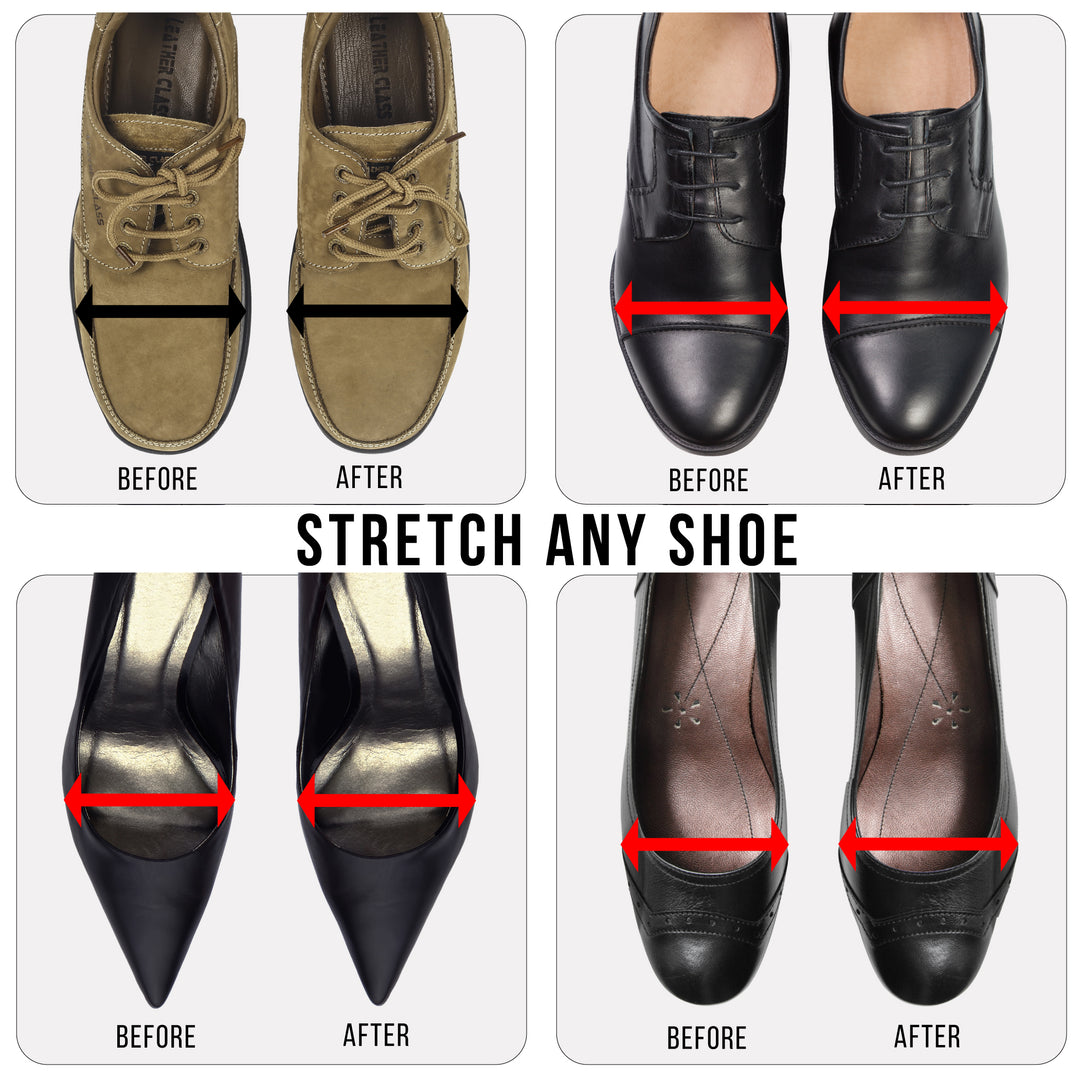
The key to successful home stretching lies in understanding your trainer’s limitations. Leather models can expand up to 10% permanently with proper techniques, while canvas or mesh versions offer only 2-3% give before risking tears. Overstretching destroys structural integrity, causing sole separation or permanent creasing. This guide reveals exactly which methods work for your specific trainer type, how much expansion is realistically possible, and crucial warning signs that indicate you’ve gone too far.
Leather Trainer Stretching Without Heat Damage
Hair Dryer Method for Immediate Toe Box Relief
Leather trainers respond best to controlled heat, but temperature precision makes all the difference between success and melted soles. Start by wearing thick ski socks or double-layered cotton pairs to maximize pressure points inside the shoe. While wearing your trainers, apply medium heat from a hair dryer to tight spots for 20-30 seconds per area—never exceeding 140°F surface temperature. Immediately walk around flexing your toes for 10-15 minutes while the leather remains warm and pliable.
Critical temperature guide:
– Leather trainers: 120-140°F maximum
– Synthetic materials: Keep below 120°F
– Never exceed 150°F regardless of material
After removing your shoes, apply leather conditioner to stretched areas to prevent cracking. Allow 24 hours between sessions and limit treatments to three attempts maximum. This method works particularly well for tightness across the ball of your foot in premium leather Jordans or high-end leather sneakers.
Canvas and Mesh Trainer Stretching Without Tears
Hot Water Immersion Technique
Canvas and mesh trainers require moisture-based methods rather than direct heat to avoid material damage. Begin by removing laces and insoles completely, then submerge your trainers in 140°F water for exactly 3-5 minutes—any longer risks glue breakdown. Remove and immediately insert shoe trees or wear with thick socks while the fabric remains pliable.
Stuff the toe box with damp (not soaking) newspaper to maintain shape during drying, then air dry for 24-48 hours away from direct sunlight or heat sources. Once completely dry, apply a fabric protector spray to maintain water resistance. This method safely expands canvas Converse or mesh running shoes by 2-3%, primarily in width rather than length.
Professional-Quality Results with Mechanical Stretchers

Two-Way Stretcher Technique for Precision Sizing
A quality shoe stretcher ($15-30) delivers the most controlled expansion for any trainer type. Insert the dry stretcher until it fits snugly without forcing, then expand 1-2 clicks beyond comfort level. For leather trainers, leave for 24-48 hours; synthetics require only 12-24 hours. Apply stretching spray before insertion for dramatically better results—look for formulas containing isopropyl alcohol for quick-drying effectiveness.
Stretcher selection guide:
– Two-way stretchers: Best for overall sizing adjustments
– Spot stretchers: Target bunions or pinky toe pressure points
– Vamp stretchers: Specifically expand toe box height
Check your fit after each session and repeat gradually if needed. This method safely adds up to half a size in width for most trainers while maintaining structural integrity—far superior to aggressive stretching attempts that cause permanent damage.
Targeted Pressure Point Solutions for Common Pain Areas
Custom Household Item Stretching for Specific Complaints
Address precise problem areas using items already in your home. For pinky toe irritation, insert a spot stretcher or wear your trainers with a silicone toe separator for 6-8 hours. Big toe joint pressure responds well to combined heat application and medial-side stretching with a shoe stretcher.
Create targeted pressure with:
– Memory foam cut to your foot shape for overnight stretching
– Wine corks positioned at precise pressure points
– Golf balls placed strategically for arch expansion
– Rolled towels inserted under laces for top-of-foot tightness
These methods deliver surgical precision without risking damage to unaffected areas of your trainers. The key is applying pressure only where needed rather than attempting full-shoe stretching that could compromise structural support.
Realistic Timeline for Permanent Trainer Expansion

What to Expect During the Stretching Process
Understanding realistic timelines prevents overzealous stretching attempts that ruin your shoes. For quick relief (2-6 hours), try the hair dryer method on leather trainers or wear with thicker socks for immediate comfort. Significant changes requiring 24-48 hours include professional stretcher use with spray application or the frozen water method for toe box expansion.
True permanent modifications take 48-72 hours through multiple heat/stretching cycles with proper leather conditioning afterward. Mesh and synthetic trainers often require 2-3 stretching sessions with 24-hour drying periods between attempts to achieve maximum safe expansion. Rushing the process by applying excessive heat or force between sessions causes irreversible damage to material fibers.
Warning Signs You’ve Overstretched Your Trainers
Critical Indicators to Stop Immediately
Recognizing overstretching damage prevents throwing away your favorite trainers. Stop all stretching immediately if you notice visible stress lines appearing across the upper material or separation beginning at sole bonding points. Permanent creasing throughout the toe box indicates fiber damage that won’t recover.
Heel slippage during normal walking or complete loss of arch support sensation means you’ve compromised structural integrity. Canvas trainers develop thin, translucent patches where fibers have stretched to their limit. Leather models show unnatural wrinkling that doesn’t smooth when worn. These signs indicate you’ve exceeded your trainer’s maximum safe expansion—further stretching will ruin them permanently.
Troubleshooting Stubborn Trainers That Won’t Stretch
When Home Methods Fail: Alternative Solutions
If stretching proves impossible, diagnose why first. Are synthetic materials limiting expansion? Is tightness in the sole construction rather than upper? Have previous waterproofing treatments blocked stretching? Has the shoe reached maximum size for its manufacturing last?
Instead of risking further damage, try these alternatives:
– Install thinner insoles for instant 1/8-1/4 size increase
– Apply heel grips if you’ve over-stretched the heel cup
– Use skip-eyelet lacing technique to relieve width pressure
– Consult a professional cobbler for maximum 0.5 size expansion
For athletic performance shoes, remember that over-stretching running trainers reduces lateral stability by 15-20%, while basketball shoe heel cup stretching significantly increases ankle injury risk. Sometimes strategic lacing modifications provide better results than aggressive stretching that compromises performance.
Essential Safety Practices for Home Stretching Success
Protecting Your Trainers and Your Feet
Prevent material damage by testing heat methods on hidden areas first and never using boiling water on bonded soles. Avoid direct sunlight during stretching as UV exposure weakens adhesives. Check manufacturer warranty terms before beginning—many void coverage for home stretching attempts.
From a health perspective, stop immediately if you experience numbness or tingling during stretching sessions. Ensure complete drying before wearing to prevent fungal issues, and monitor for blisters during initial post-stretch wears. If fit problems persist across multiple properly stretched pairs, consult a podiatrist—your foot shape may require specialty footwear rather than modification.
Successfully stretching trainers at home requires matching the right method to your shoe’s specific material and your precise fit issue. Start with the gentlest approach first—often thick socks combined with brief heat application provides sufficient relief for minor tightness. Monitor results carefully after each session, and when in doubt, professional stretching services guarantee results without risking your investment. With proper technique, most trainers can gain that crucial half-size expansion needed for all-day comfort while maintaining their structural integrity and performance characteristics.