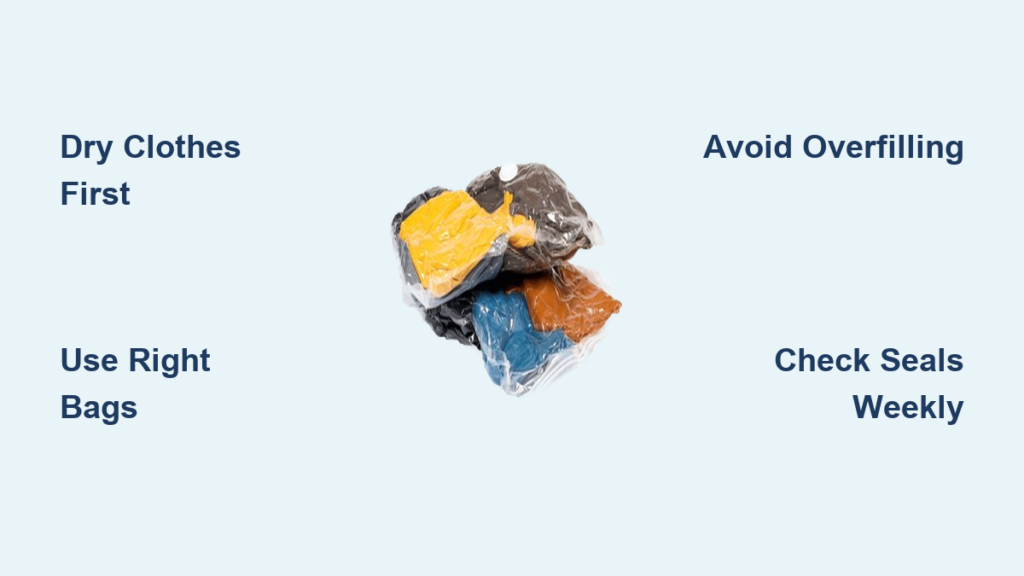
Staring at overflowing closets and bulging storage bins? Vacuum sealing clothes shrinks your wardrobe’s footprint by up to 75% while shielding garments from moisture, pests, and odors. This space-saving technique transforms bulky winter coats into flat packages and preserves vintage dresses for decades. Whether you’re storing seasonal items, prepping for travel, or safeguarding baby clothes for future use, how to vacuum seal clothes at home unlocks professional results without expensive gear.
You’ll master the exact process—from selecting bags to troubleshooting seal failures—plus fabric-specific rules that prevent damage. Discover how to compress everything from comforters to silk scarves using tools you likely own. By the end, you’ll reclaim closet space while extending your garments’ lifespan.
Essential Vacuum Sealing Equipment You Actually Need
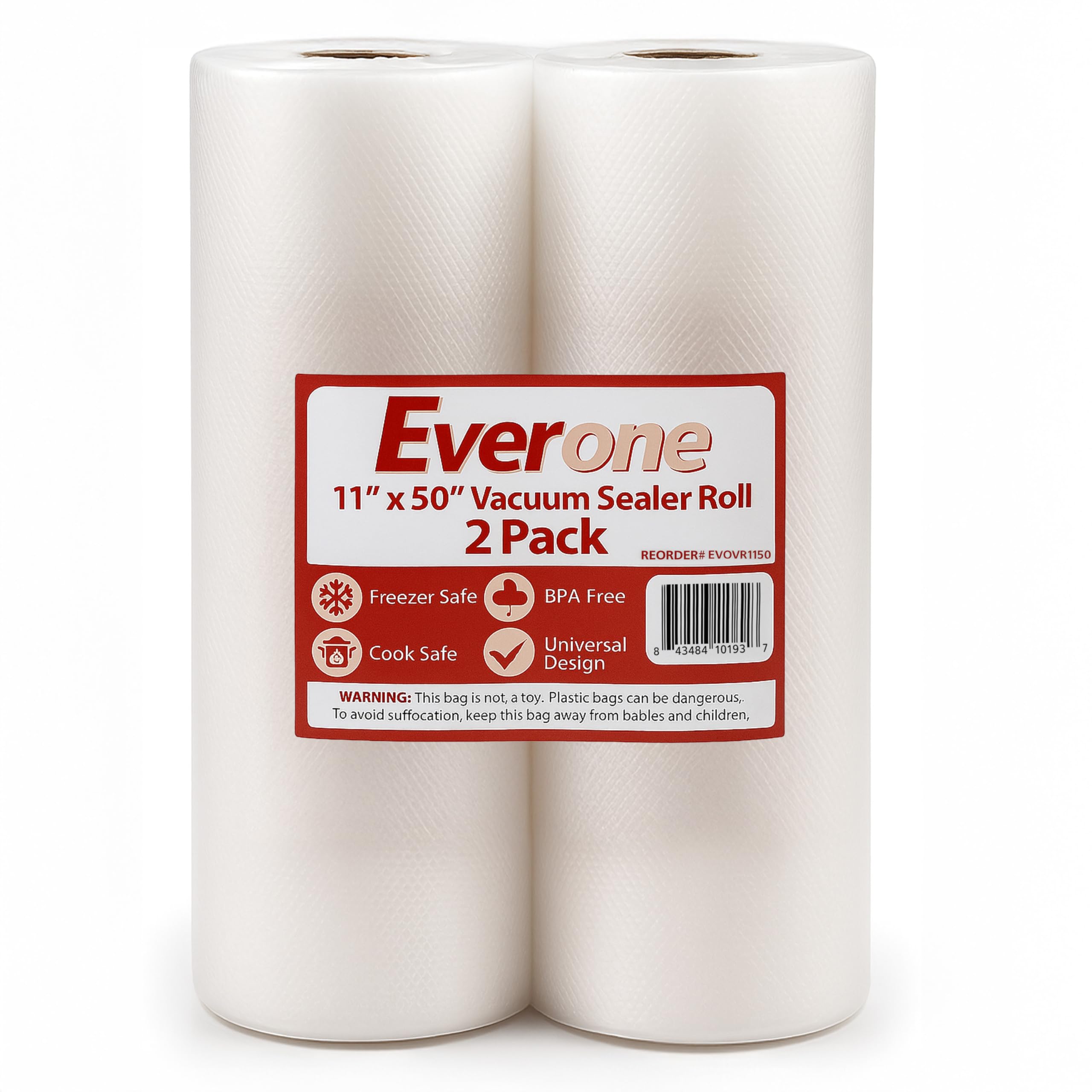
Handheld Sealers vs. Countertop Models
Handheld vacuum sealers ($15–$40) are perfect for beginners. These battery-powered units connect directly to clothing bags and tuck into drawers when not in use. For thick items like comforters, countertop models deliver stronger suction but demand dedicated space. Budget users can skip electronics entirely with manual pump systems built into some bags—just roll to expel air.
Choosing the Right Bags
Standard compression bags work best for everyday clothing, while roll-up bags eliminate vacuum needs for travel. For suits or dresses, hanging garment bags with hanger hooks prevent wrinkles. Critical tip: Select bags 25% larger than your items’ compressed volume. Look for thick plastic (70+ microns), double-zipper closures, and reinforced seams to prevent leaks.
Must-Have Accessories
Stock acid-free tissue paper to protect delicate folds, silica gel packets to control moisture, and permanent markers for labeling. Cotton sheets add extra cushioning for heirlooms, while a measuring tape ensures you never overfill bags. These prevent 90% of common storage disasters.
Pre-Sealing Preparation: Avoid Costly Mistakes
Sorting Items Like a Pro
Focus only on seasonal pieces (winter coats), bulky items (sweaters), or rarely used special occasion wear. Skip daily-use clothing or anything needed within three months. Group items by season or family member—this prevents frantic searches later. Never vacuum seal leather, suede, or down-filled items (more on why later).
Critical Cleaning Protocol
Every garment must be bone-dry before sealing. Moisture trapped in airtight bags breeds mold and sets stains permanently. Machine-wash items thoroughly, then air-dry delicates flat for 48 hours. Test dryness by sealing one item in a plastic bag overnight—any condensation means it’s not ready. Skipping this step ruins fabrics faster than moths.
Folding Techniques That Prevent Creases
Use military folds for pants (fold legs inward, then accordion-fold), ranger rolls for T-shirts (roll tightly from hem to shoulders), and tissue layering between sweater folds. Always place heavy jeans at the bag’s bottom and delicate blouses on top—never stack them unevenly. This reduces post-storage ironing by 70%.
Step-by-Step Vacuum Sealing in 5 Minutes
Loading Bags Without Leaks
Lay your bag on a hard surface and unzip completely. Fill only 2/3 full—overfilling causes zipper blowouts. Place heaviest items at the base, lighter pieces above, and maintain 3–4 inches of clearance below the zipper. Trap a silica gel packet inside for humidity control.
Sealing and Vacuum Process
Close the zipper with the sliding clip, running it twice for security. Press along both sides to confirm no fabric is trapped. Attach your vacuum securely to the valve (no forcing!). Start with low suction, watching for even compression. If bulges form, pause to redistribute items. Stop when the bag feels firm—usually 30–60 seconds. Immediately cap the valve after disconnecting to lock out air.
Fabric-Specific Rules for Perfect Results

Natural Fibers: Cotton to Silk
Cotton and linen tolerate 6 months of compression max—pre-iron linen with starch to minimize creases. Wool requires cedar blocks and shouldn’t exceed one year in storage. Silk demands acid-free tissue between layers and quarterly checks for discoloration. Never vacuum seal raw silk—it loses luster permanently.
Synthetics: Polyester to Spandex
Polyester and microfiber handle years of compression with minimal wrinkling. Spandex/Lycra garments (like yoga pants) must be rotated every 3 months to prevent permanent stretch loss. Nylon items (jackets, rain gear) roll better than fold to avoid stubborn creases.
Danger Zone: Items That Can’t Be Sealed
Leather, suede, or fur crack without airflow—store in breathable canvas bags instead. Down comforters need partial compression only to maintain loft. Beaded gowns require wrapping in soft cloth with minimal pressure to avoid popping embellishments.
Smart Storage Solutions That Last Years
Ideal Storage Environment
Store sealed bags in dark, climate-controlled spaces at 65–70°F with humidity below 50%. Elevate them 6+ inches off floors using shelves—basements and attics fail both criteria due to moisture swings. Under-bed storage works perfectly for shallow bins of compressed items.
Organization Systems That Save Time
Color-code bags by season (blue for winter, yellow for summer) and label contents, sealing date, and sizes on two sides. Create a digital inventory sheet noting “Winter coats – sealed 10/15/23.” This turns chaotic storage into a retrieval system where you find anything in under 30 seconds.
Troubleshooting Seal Failures Immediately

Fixing Air Leaks
If bags reinflate, check the valve cap first—tighten firmly. Inspect zippers for trapped threads using a flashlight. For punctures, submerge the bag in water to spot bubbles, then patch with clear packing tape. Replace bags showing cloudiness or weak seams—reusing them risks mold.
Eliminating Musty Odors
Musty smells mean moisture was trapped pre-sealing. Remove all items, re-wash with vinegar, and dry for 72 hours. During re-sealing, add charcoal odor absorbers. Prevention tip: Always include 2–3 silica packets per bag—this costs pennies but saves hundreds in ruined clothing.
Advanced Home Techniques Without Special Gear
DIY Vacuum Methods That Work
Vacuum cleaner hack: Tape a plastic bottle neck to your hose as a valve adapter. Straw technique: Insert a straw through a tiny bag opening, suck out air vigorously, then pinch-seal instantly. Rolling compression: For travel, roll clothes tightly from the valve end while pressing air out—no vacuum needed.
Budget Breakdown: What You’ll Actually Spend
Start with $45–$110 for a handheld sealer ($15–$40), 10–20 bags ($20–$50), and accessories ($10–$20). Ongoing costs run $0.50–$2 per replacement bag. Calculate your return: 75% space reduction avoids $50/month storage unit fees, while protecting $300 winter coats from moth damage. Break-even happens in under six months.
Maintenance for Long-Term Success
Critical Monitoring Schedule
Check new seals weekly for the first month—air loss often starts small. Inspect quarterly for bag cloudiness or valve cracks. Annually, open bags to refold items differently (preventing permanent creases) and replace silica gel. This 10-minute routine doubles storage lifespan.
Post-Storage Refresh Protocol
When unsealing, let clothes breathe 24–48 hours before wearing. Hang wool in a steamy bathroom to release wrinkles—never iron directly from storage. Launder “clean” items anyway; trapped body oils degrade fibers over time. Reuse bags only if seals remain airtight; cloudy plastic indicates micro-tears.
Final Note: Start with one bag of off-season sweaters to perfect your technique before sealing heirlooms. Label everything with permanent marker—future you will curse present you for vague “clothes” tags. With proper preparation, vacuum-sealed garments stay pristine for years, turning storage chaos into calm while protecting your wardrobe investment. Remember: dry fabrics, correct bag sizing, and climate control make the difference between flawless results and ruined clothing.