Your living room feels stuffy despite the windows being closed. You notice dust accumulating faster than usual, and your allergies act up every time you’re home. You’ve seen the ads promising cleaner air, but you’re skeptical—do home air purifiers actually deliver measurable results, or are they just expensive fans with fancy filters?
The short answer is yes, home air purifiers do work, but their effectiveness depends heavily on choosing the right technology for your specific needs, using it correctly, and maintaining it properly. Research shows that quality air purifiers can remove up to 99.97% of airborne particles, reduce allergy symptoms by 20-30%, and even improve cardiovascular health markers. However, they’re not magic boxes that solve all air quality problems instantly.
Let’s dive into exactly how effective these devices are, what they can and can’t do, and how to maximize their benefits in your home.
Particle Size Matters: Where Air Purifiers Actually Deliver
When evaluating whether air purifiers work, particle size matters significantly. Different contaminants require different approaches, and understanding this spectrum helps set realistic expectations.
Large Particle Removal (PM10)
Air purifiers excel at capturing visible particles like dust, pollen, and pet dander. These particles—ranging from 2.5 to 10 micrometers—are exactly what triggers most allergy symptoms. Quality units achieve 95-99% removal efficiency for these larger particles, making them highly effective for allergy sufferers. This explains why many users notice immediate relief from sneezing and itchy eyes after running a purifier overnight.
You’ll see dramatic reductions in visible dust accumulation on surfaces and furniture within days of proper use. For pet owners, this means significantly less dander floating through the air—often enough to prevent those telltale sniffles and itchy eyes that plague animal lovers.
Fine Particle Performance (PM2.5)
Smoke particles, bacteria, and fine dust present a bigger challenge, but air purifiers still perform well. HEPA filters capture 85-95% of these 2.5-micrometer particles, which include wildfire smoke and many industrial pollutants. This performance level means a significant reduction in visible haze and cooking odors—benefits users consistently report within days of operation.
During wildfire season, this capability becomes critical. While they won’t eliminate all smoke particles, you’ll notice substantially clearer air and less of that persistent smoky smell that lingers long after the visible haze has cleared.
Ultrafine Particle Challenges
Particles smaller than 0.1 micrometer—like some viruses and combustion byproducts—see variable effectiveness ranging from 50-90% removal. This limitation is crucial to understand: while air purifiers reduce these particles, they won’t eliminate them entirely. This is why purifiers should complement, not replace, other health measures during viral outbreaks.
The key insight? Air purifiers work best as part of a comprehensive strategy rather than a standalone solution for ultrafine particles. Pair them with proper ventilation and source control for maximum protection.
Technology Types That Actually Deliver Results

Not all air purifiers work equally well. The technology inside determines real-world performance more than marketing claims ever will.
HEPA Filter Reality Check
True HEPA filters—the gold standard—capture 99.97% of particles at 0.3 micrometers. However, beware of misleading terms like “HEPA-type” or “HEPA-like,” which only guarantee 99% capture of much larger 2-micrometer particles. This distinction explains why some $50 units disappoint while $200 units perform dramatically better. Always verify “True HEPA” certification when particle removal is your priority.
You can test this yourself: place a purifier in a room, run it on high for 30 minutes, then turn it off. If you immediately notice dustier air, your unit likely has substandard filtration. True HEPA units maintain clean air significantly longer after shutdown.
Carbon Filter Limitations
Activated carbon excels at removing odors, VOCs, and chemical vapors, but it does nothing for particulate matter. This creates a common user complaint: “My purifier removes smells but not dust.” The solution is choosing units with both HEPA and carbon stages—never carbon-only models for particle concerns.
Carbon filters saturate quickly, explaining why many users report diminishing odor control after 3-4 months. Budget for regular carbon filter replacements if chemical sensitivity or odors are your primary concern.
UV-C and Ionizer Truth
UV-C technology kills 90-99% of microorganisms with sufficient exposure time, but requires specific conditions to work effectively. Ionizers create another problem: while they remove 60-90% of particles, some models produce harmful ozone levels. Skip ionizers entirely unless you verify zero ozone production.
This is why medical-grade units often combine HEPA filtration with carefully calibrated UV-C systems—avoid standalone ionizers that promise “cleaner air” but deliver ozone instead.
Real Health Improvements You Can Expect
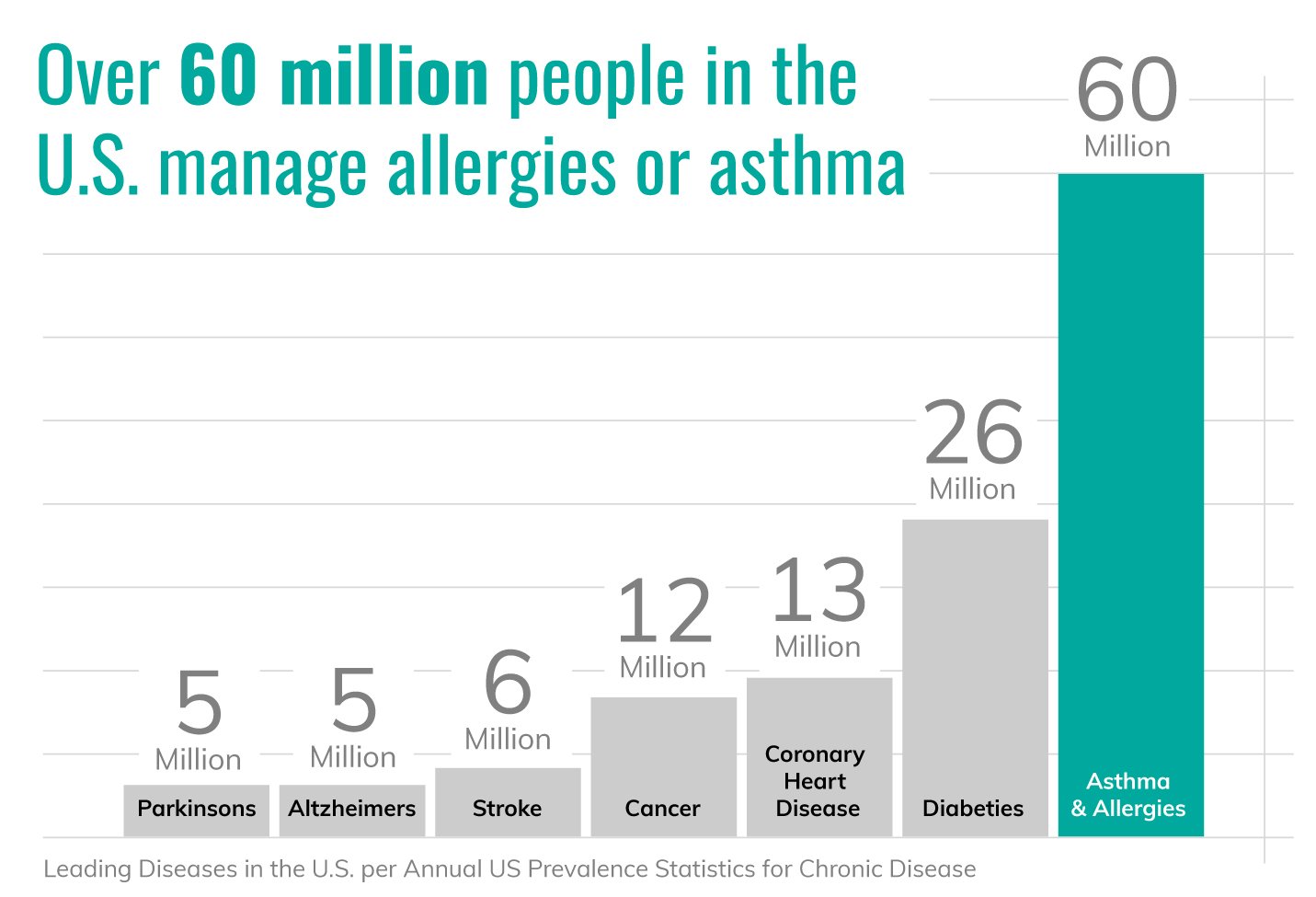
Scientific studies provide concrete evidence of air purifier benefits across multiple health conditions.
Allergy Relief Measurements
Clinical research shows 55-70% reduction in airborne allergens with consistent use. More importantly, users experience 20-30% fewer allergy symptoms and 15-25% less rescue medication use. This translates to real quality-of-life improvements: 40% of allergy sufferers report better sleep quality within two weeks of using an appropriately-sized purifier in their bedroom.
If you’ve struggled with morning congestion or constant sneezing, this is where air purifiers work best—creating a clean-air sanctuary in your bedroom where you spend one-third of your life breathing.
Asthma Management Results
For asthma patients, the data is equally compelling. Children using air purifiers show 25% fewer school absences, while adults experience 18% fewer asthma attacks. These aren’t minor improvements—they represent significant reductions in medical emergencies and healthcare costs.
The difference becomes noticeable within weeks: fewer nighttime wheezing episodes, reduced need for rescue inhalers, and increased confidence in managing symptoms without medication.
Room Size Reality Check
A purifier’s effectiveness drops dramatically when undersized for the space. Understanding coverage limitations prevents disappointment and poor purchasing decisions.
Small Room Performance (100-200 sq ft)
Compact units achieve 4-6 air changes per hour (ACH) in small rooms, providing excellent performance for bedrooms and offices. This rapid air turnover explains why users often notice improvements within 30 minutes of operation in appropriately-sized spaces.
For bedrooms up to 200 square feet, you’ll experience the most dramatic results—cleaner air that makes a noticeable difference in how you feel upon waking.
Large Space Limitations (400+ sq ft)
High-capacity units only achieve 2-3 ACH in large rooms, with open floor plans dropping below 2 ACH. This explains why single units disappoint in great rooms or open-concept homes. Multiple smaller units often outperform a single large unit in these scenarios.
Here’s the reality check: if you’re trying to cover 600 square feet with one unit, you’re wasting money. Instead, strategically place multiple units where you actually spend time—bedroom, living room, home office.
Maintenance: The Hidden Effectiveness Factor
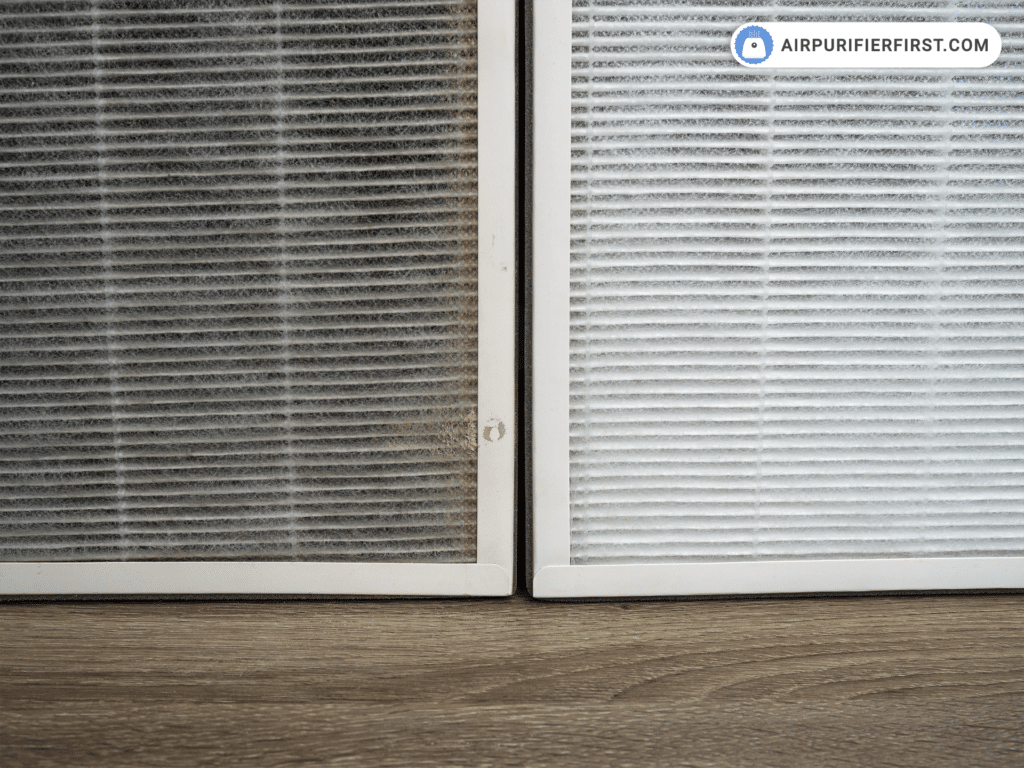
Even the best air purifier becomes useless without proper maintenance. Filter saturation halves effectiveness, turning your investment into an expensive decoration.
Filter Replacement Reality
HEPA filters last 6-12 months, carbon filters 3-6 months, and pre-filters monthly. However, these timelines compress significantly in polluted environments or homes with pets. Many users experience 50% effectiveness loss after just 3-4 months of heavy use, explaining the common complaint: “It worked great at first, then stopped helping.”
Set calendar reminders for filter changes—don’t wait until you notice declining performance. Check pre-filters monthly and clean them as needed (most are washable).
Optimization Strategies for Maximum Effectiveness
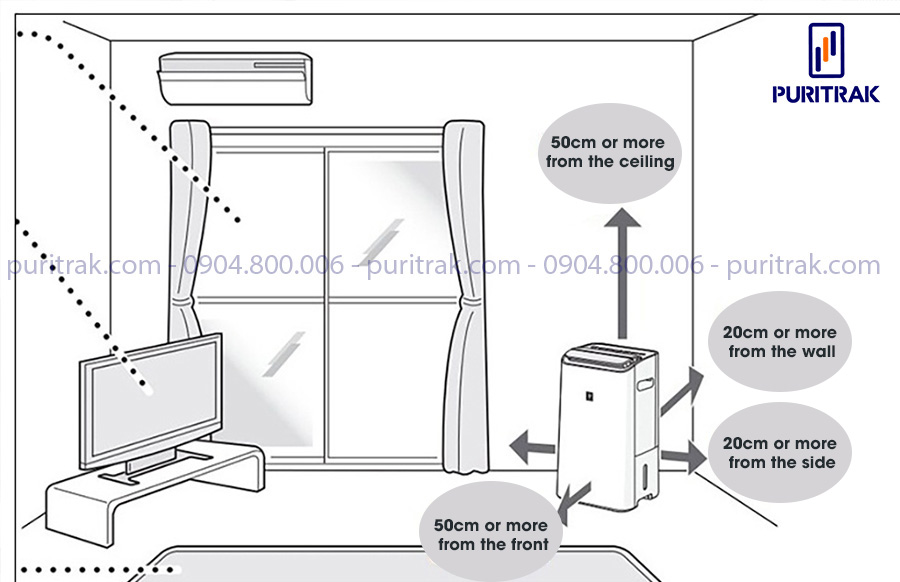
Getting your air purifier to actually work requires strategic use, not just plugging it in.
Placement Perfection
Position your unit 3-6 feet from walls at 3-5 feet height—exactly where you breathe. Corners and behind furniture reduce effectiveness by 30-50%. This simple adjustment transforms disappointing performance into noticeable air quality improvements.
Never tuck your purifier into a corner or behind the couch. Instead, place it in open space where air can circulate freely through the unit.
Timing Tricks
Run purifiers 2-4 hours before peak occupancy periods. Allergen levels build up overnight, so starting the unit before you wake prevents morning symptoms. For sleep benefits, begin operation 30-60 minutes before bedtime and continue through the night.
Create a schedule that matches your lifestyle rather than running it constantly. This saves energy while maximizing benefits when you need them most.
Technology Selection Without Marketing Hype
Choosing an effective air purifier requires matching technology to your specific concerns, not falling for feature overload.
Allergy-Focused Selection
For allergies, prioritize True HEPA + pre-filter combinations. Skip UV-C and complex multi-stage systems—they add cost without improving allergen removal. CADR rating should equal at least 2/3 of your room’s square footage.
This simple formula prevents the most common mistake: buying an underpowered unit that “doesn’t seem to work.” Measure your room, calculate the required CADR, and stick to that specification.
Long-Term Reality Check
Air purifier technology improves 10-15% per generation, with 20-30% energy efficiency gains. However, your unit’s effectiveness will gradually decline regardless of new features. Plan for 5-7 year replacement cycles to maintain optimal performance.
Motor life spans 5-10 years, electronics fail after 3-7 years, and warranty coverage rarely exceeds 5 years. Factor these timelines into your purchasing decision—buying premium for durability often proves more cost-effective than replacing basic units frequently.
Air purifiers absolutely work when selected and used correctly. The key is understanding their limitations while maximizing their proven benefits. Choose the right technology for your specific concerns, size the unit appropriately for your space, maintain it religiously, and use it strategically rather than sporadically. Do this, and you’ll join the millions who’ve experienced measurable improvements in air quality, health symptoms, and overall wellbeing.