Your couch smells faintly of last night’s stir-fry. The hallway carries a persistent pet odor no matter how often you vacuum. That mysterious basement mustiness seems impossible to shake. If you’re searching for how to eliminate odors in home environments, you’re not alone—nearly 9 in 10 households battle lingering smells that refuse to disappear with standard cleaning. Most commercial air fresheners simply mask odors temporarily, creating chemical cocktails that worsen indoor air quality.
True odor elimination requires targeting the source, not just covering it up. This guide reveals scientifically proven methods to permanently eliminate household odors using techniques professionals employ. You’ll discover exactly which products work (and which waste your money), how to identify hidden odor sources most homeowners miss, and a systematic room-by-room approach that delivers results in under 24 hours.
Track Down Hidden Odor Sources Before Cleaning
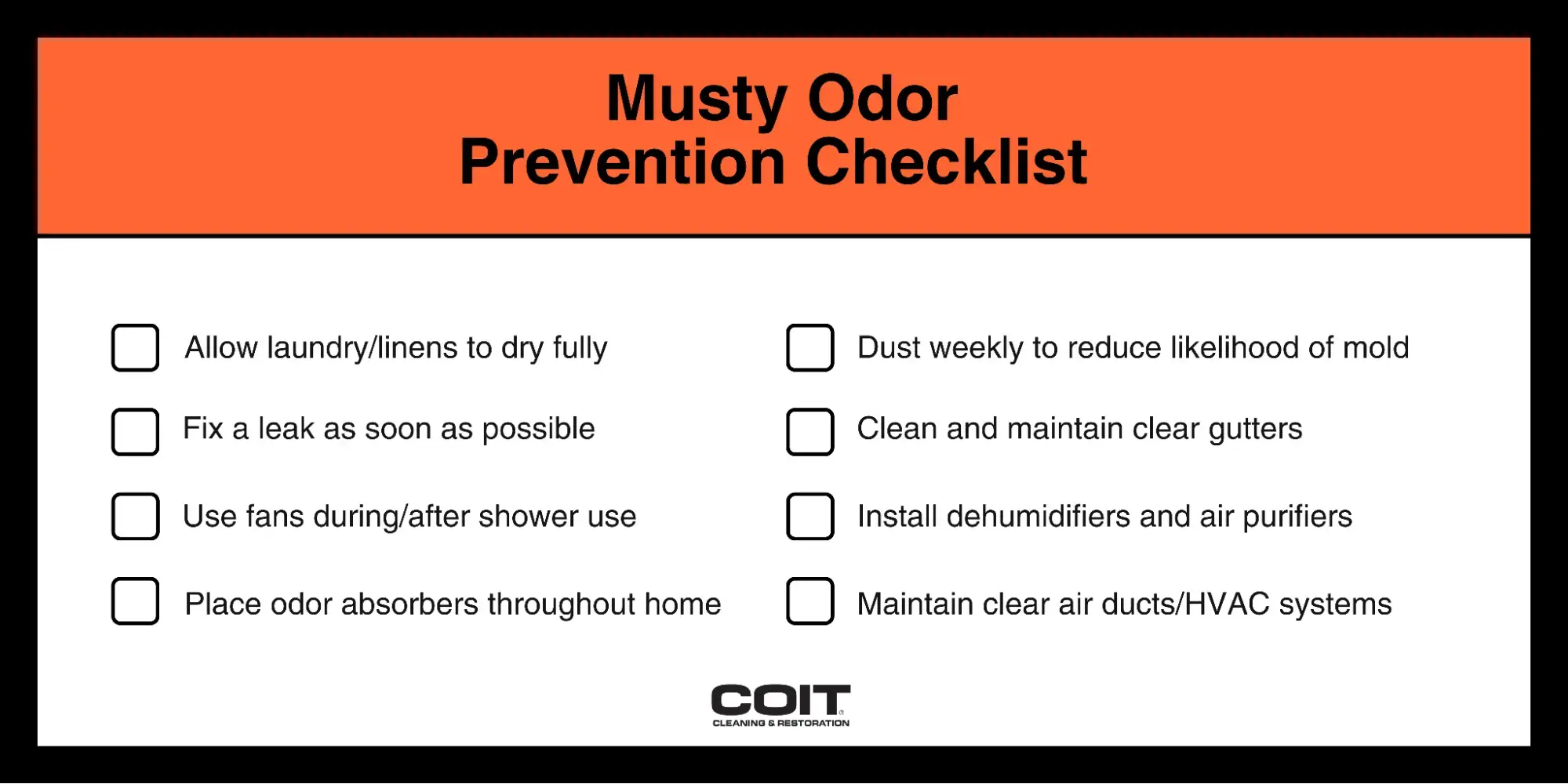
Identify Problem Zones by Room Type
Most homeowners waste time treating symptoms instead of sources. Odors travel through air currents and embed in unexpected places—making accurate identification critical before applying any treatment.
Kitchen hotspots to inspect:
– Pull out refrigerator drip trays (often overlooked mold breeding grounds)
– Remove garbage disposal splash guards to access trapped food debris
– Check microwave grease filters behind ventilation panels
– Examine under sink cabinets for slow leaks or food storage issues
Bathroom trouble spots:
– Remove shower drain covers to extract hair clogs trapping organic matter
– Test toilet tank water for mildew growth (add vinegar monthly to prevent)
– Vacuum exhaust fan grilles to eliminate dust buildup
– Lift bathmats to check padding saturation
Living area culprits:
– Remove couch cushion covers to inspect foam for pet accidents
– Flip area rugs to examine padding where odors concentrate
– Check curtains near cooking areas for grease absorption
– Inspect HVAC return vents for accumulated pet hair and dander
Match Odor Intensity to Correct Treatment Method
Applying heavy-duty solutions to light odors wastes time and money. Accurately assess severity to select the right approach:
Level 1 (Light): Noticeable only when entering room, dissipates within 30 minutes of ventilation—requires simple airing out
Level 2 (Moderate): Lingers for hours, requires surface cleaning—responds well to baking soda or vinegar treatments
Level 3 (Heavy): Permeates multiple rooms, needs multiple treatments—requires deep cleaning plus air purification
Level 4 (Severe): Embedded in structure or HVAC—indicates need for professional remediation
Pro Tip: Perform the closed-room test—close all windows and doors for 4 hours, then enter and smell. This reveals true odor intensity without masking from daily activity.
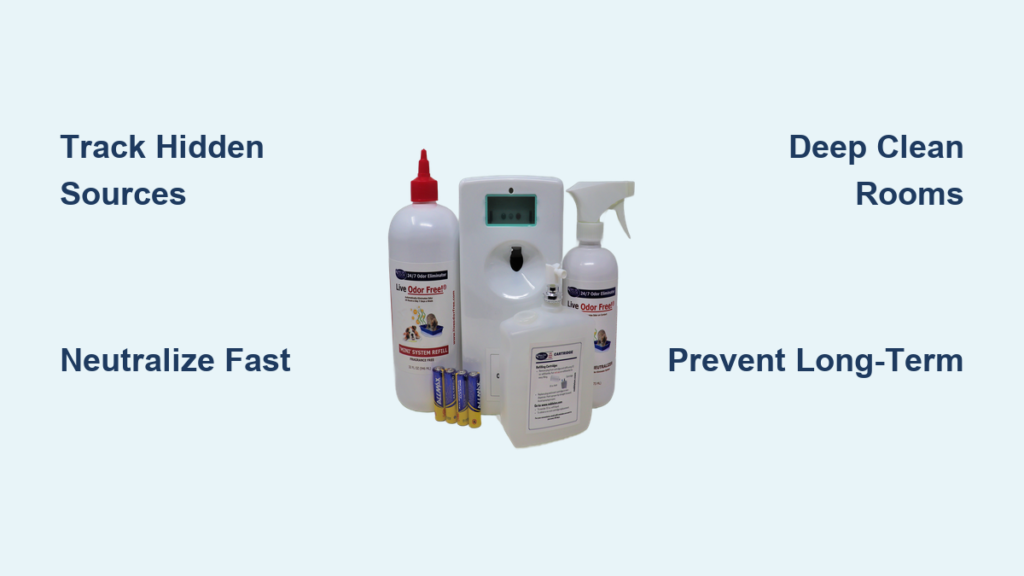
Neutralize Odors in Under 15 Minutes
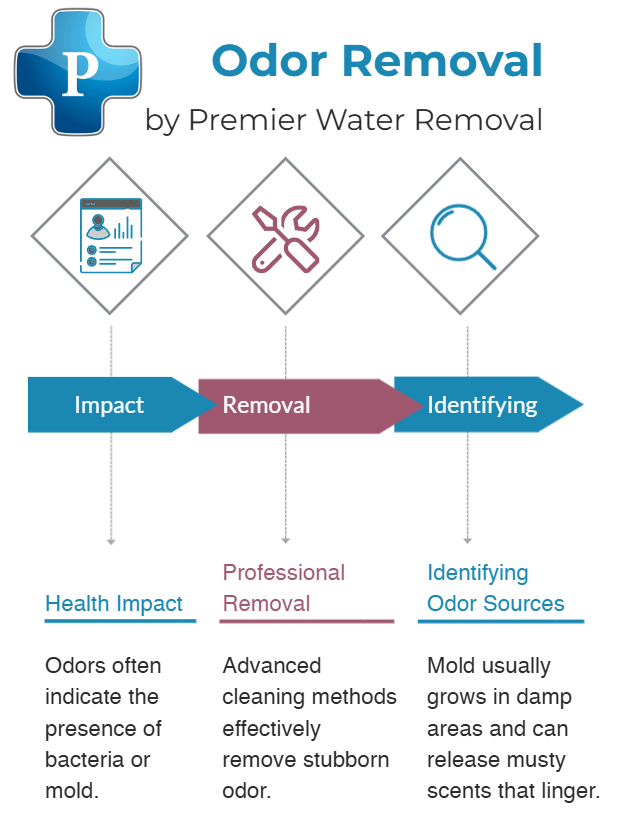
Emergency Odor Response Protocol
When spills or accidents strike, rapid action prevents permanent odor embedding. Implement this four-step process immediately:
- Isolate the source—remove trash, blot spills completely, pick up pet accidents
- Create airflow—open opposite windows, position box fan outward to push contaminated air outside
- Apply neutralizer—select agent based on odor type (see chart below)
- Circulate air—run ceiling fans clockwise at high speed to move air through space
Select the Right Neutralizing Agent
Match your odor type to the correct emergency treatment:
| Odor Type | Best Neutralizer | Application Method |
|---|---|---|
| Organic (vomit, urine) | Enzyme cleaner | Apply generously, let sit 10 minutes before blotting |
| Cooking oil/grease | Baking soda paste | Spread on surface, wait 15 minutes, wipe clean |
| Chemical fumes | Activated charcoal | Place 2-3 briquettes near source, run fan |
| Burnt food | White vinegar spray | Mist air, place bowl of vinegar near source |
Critical Mistake to Avoid: Never mix vinegar and hydrogen peroxide—this creates peracetic acid, which damages surfaces and irritates lungs. Use them separately with thorough rinsing between applications.
Deep Clean Each Room Systematically
Kitchen Odor Elimination Plan
Refrigerator revival (30 minutes):
Remove all contents, discard expired items. Mix 1 cup baking soda with 1 quart warm water and wipe every surface including door seals. Place fresh baking soda boxes on each shelf (replace monthly) and leave overnight with door closed.
Disposal deep clean:
Drop 12 ice cubes down drain followed by lemon peels and 2 tablespoons salt. Run disposal 30 seconds with cold water, then flush with 1/2 cup baking soda mixed with 1 cup vinegar. Let foam action work for 15 minutes before final cold water flush.
Bathroom Freshness Protocol
Drain sanitization:
Remove drain cover (most pop out with pliers). Extract hair/debris with zip-it tool. Pour 1/2 cup baking soda down drain, followed by 1 cup heated vinegar. Cover drain opening for 15 minutes to contain the reaction, then flush with boiling water.
Shower curtain renewal:
Wash fabric curtains with 1 cup baking soda and 10 drops tea tree oil in warm water. Replace plastic liners every 3 months (they harbor mold even when they look clean). Between washes, spray daily with vinegar solution to prevent mildew buildup.
Deploy Natural Odor Solutions That Work

Essential Oil Blends for Specific Odors
Create targeted diffuser recipes based on your odor problem:
General freshening: 5 drops lavender + 3 drops lemon + 2 drops peppermint
Pet odor neutralizer: 4 drops eucalyptus + 3 drops tea tree + 3 drops orange
Kitchen deodorizing: 4 drops grapefruit + 3 drops rosemary + 2 drops cinnamon
Pro Tip: Always use distilled water in diffusers to prevent mineral buildup. Run diffusers 30 minutes on, 30 minutes off to maintain effectiveness without overwhelming your senses.
DIY Charcoal Sachets for Continuous Protection
Create long-lasting odor absorbers that work while you sleep:
- Fill 4×4 inch muslin bags with 1/4 cup activated charcoal pellets
- Tie securely with cotton string
- Place 2-3 sachets per room in problem areas (closets, under sinks, near litter boxes)
- Recharge monthly by placing in direct sunlight for 2-3 hours
Why this works: Charcoal’s porous structure traps odor molecules at the molecular level—unlike baking soda which only neutralizes surface odors. Replace charcoal every 3 months for maximum effectiveness.
Prevent Odors Long-Term With Simple Habits
Daily Maintenance Routines That Make the Difference
Kitchen protocol:
– Take out trash nightly (don’t wait for it to smell)
– Run disposal with citrus peels weekly
– Wipe counters with vinegar solution after cooking
– Empty sink strainer daily
Pet protocols:
– Scoop litter boxes twice daily (odors begin forming within hours)
– Wash pet bowls daily with hot, soapy water
– Vacuum high-traffic areas every other day
– Bathe pets every 4-6 weeks using enzymatic shampoo
Monthly Deep Maintenance Schedule
Implement this rotating schedule to stay ahead of odors:
Week 1: Clean refrigerator interior and microwave vents
Week 2: Wash all bedding, curtains, and shower curtains
Week 3: Vacuum mattresses and upholstery with baking soda first
Week 4: Clean light fixtures and ceiling fans where odors collect
Warning: Never skip Week 3—mattresses absorb 1-2 cups of moisture nightly from sweat and breath, creating perfect conditions for odor-causing bacteria.
Know When to Call Professionals
Red Flags Indicating Professional Help Needed
Don’t waste time on DIY solutions when you notice these warning signs:
- Persistent moldy smell after water damage (indicates hidden growth)
- Sewage backup odors requiring biohazard remediation
- Smoke damage from house fires with residue on walls
- HVAC odors that return within days of filter replacement
- Musty smells that worsen in humid weather
Cost Expectations for Professional Services
Odor remediation specialists:
– Small apartment: $300-800
– Single-family home: $800-2,500
– Severe contamination: $2,500-5,000
HVAC duct cleaning:
– Average home: $300-1,000
– Look for NADCA-certified providers for proper sanitation
When to invest: If you’ve implemented thorough cleaning for 2+ weeks with no improvement, professional intervention becomes cost-effective compared to wasted time and products.
Verify Your Odor Elimination Success
24-Hour Smell Test Protocol
True success means odors don’t return when conditions mimic the original problem:
- Close all windows and doors for 4 hours
- Turn off air purifiers and fans
- Enter each room and smell at breathing height
- Pay special attention to fabrics after sitting for 10 minutes
- Check HVAC vents when system cycles on
Pro Tip: Have an “odor-blind” visitor assess your space—familiarity makes it hard to detect residual smells. Choose someone who hasn’t been in your home recently for an honest evaluation.
Consistency beats intensity when learning how to eliminate odors in home environments. Start with one problem room this weekend using the targeted approach outlined here. Implement just two daily prevention habits, and you’ll notice dramatic improvement within 30 days. The secret isn’t expensive gadgets—it’s systematic identification and treatment of odor sources using methods that work with your home’s natural airflow patterns. Your fresh-smelling home awaits, one room at a time.