
Your friend’s garage is overflowing with holiday decorations, broken tools, and forgotten camping gear. Three hours later, you’ve transformed it into a functional workspace with labeled bins, clear walkways, and even room for the car. They hand you $200 and ask for your business card. Congratulations—you might have just discovered your calling as a home organizer.
The professional organizing industry has exploded as busy families and overwhelmed professionals seek help creating order from chaos. Whether you want to escape your 9-5, start a flexible side hustle, or build a six-figure business helping people love their homes again, this guide shows you exactly how to become a home organizer from scratch. You’ll learn the essential skills, business setup requirements, and marketing strategies that turn clutter chaos into a thriving career.
Master Home Organizer Core Competencies Immediately
Develop Spatial Reasoning and Client Communication Skills
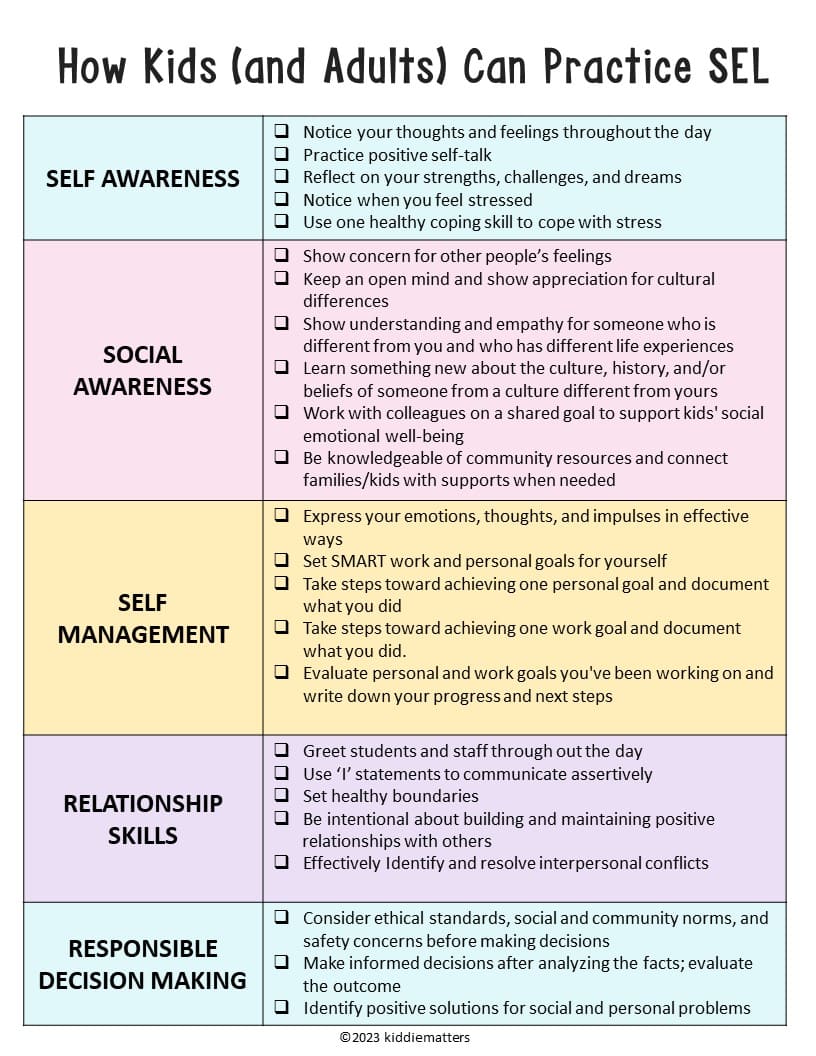
Professional organizing demands more than Marie Kondo enthusiasm. You’ll need spatial reasoning to envision optimal layouts and storage solutions in every space you enter. This skill allows you to look at a cluttered garage and immediately see where each item should live for maximum functionality.
Communication skills separate successful organizers from hobbyists. You’ll navigate emotional attachments to possessions, mediate family disagreements about what stays or goes, and teach overwhelmed clients systems they’ll actually maintain. Active listening and empathy aren’t optional—they’re your primary tools. When a client clings to their mother’s china collection they never use, you’ll know how to gently guide them toward practical solutions without triggering emotional resistance.
Build Technical Expertise Before Your First Client
Master modular storage systems like IKEA PAX and Elfa before your first paid job. Understanding these systems’ specifications, dimensions, and installation requirements makes you immediately valuable to clients who’ve already purchased organizing solutions but can’t implement them effectively. Learn to calculate storage capacity mathematically—nothing kills credibility faster than buying 20 bins when you need 35.
Basic handyman skills separate premium organizers from the pack. You should confidently assemble furniture, install shelves, and use power tools safely. Clients pay extra when you can mount their new closet system instead of scheduling a separate handyman visit. This technical competence justifies charging 20-40% more than organizers who only offer sorting services.
Launch Your Organizing Business Legally and Professionally
Choose the Right Business Structure
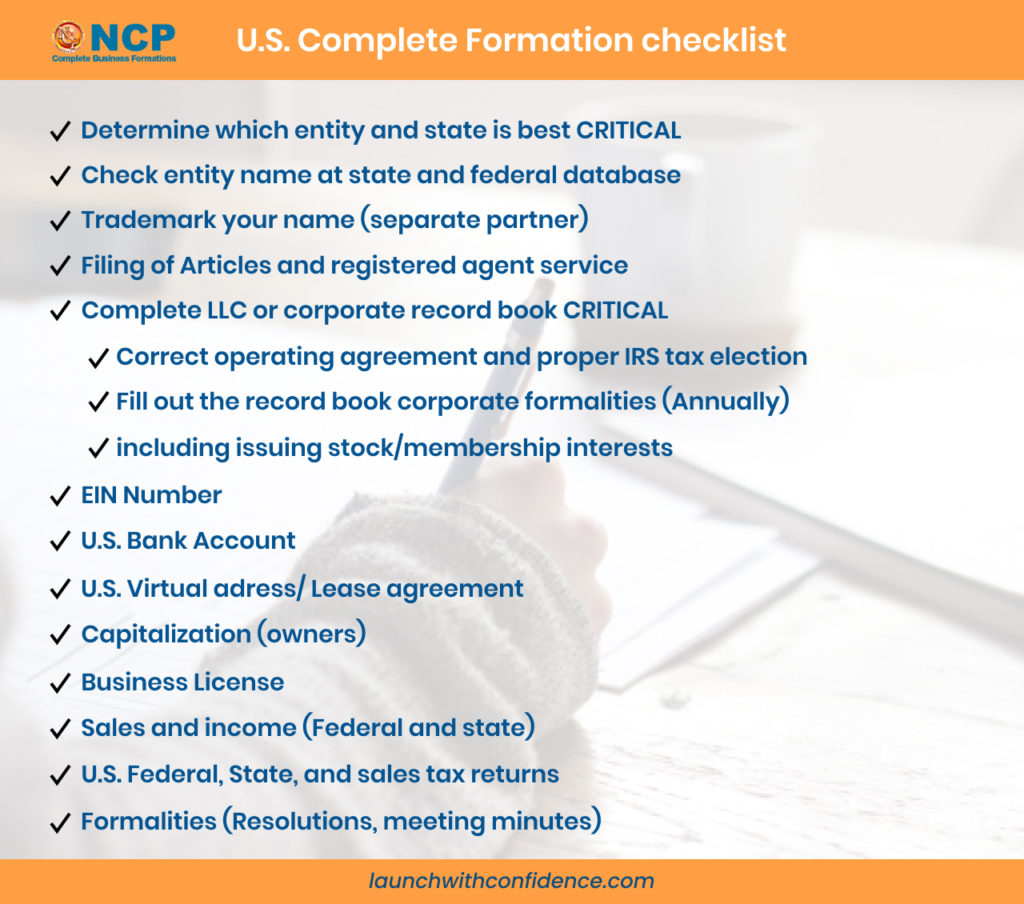
Start as a sole proprietorship to test the waters with minimal paperwork, but upgrade to an LLC once you hit consistent revenue. The LLC protects your personal assets if a client claims you damaged their $5,000 handbag. In most states, filing takes 30 minutes online and costs under $200—a small price for significant peace of mind.
Insurance is non-negotiable for professional credibility. Professional liability coverage ($500-1,500 annually) protects against claims of lost or damaged items. General liability ($300-800) covers property damage when you accidentally drill through a water pipe. Add bonding ($100-300) when clients specifically request theft protection for high-value items.
Create Essential Legal Documents
Draft a client service agreement template covering scope, timelines, and payment terms. Include photo release language—before/after shots are your best marketing tool. Set 48-hour cancellation policies to protect your schedule from last-minute client panic. These documents establish professionalism and protect your business from common pitfalls that derail new organizers.
Price Your Organizing Services for Maximum Profit
Structure Winning Service Packages
Initial consultations ($75-150) often convert to full projects—always credit this fee toward larger work. This strategy builds trust while ensuring clients who commit receive fair value. Hourly rates range from $50-150 based on experience and location, but package discounts (10-15% off for 10, 20, or 40-hour bundles) encourage larger commitments and guarantee recurring revenue.
Specialized services command premium pricing that transforms your business model. Move management ($2,000-8,000 per move) includes packing, unpacking, and complete space planning. Hoarding cleanup ($1,500-5,000) requires specialized teams and protocols but generates significant revenue with fewer clients. Digital organization ($75-100/hour) targets tech-overwhelmed professionals who pay premium rates for virtual services.
Implement Geographic Pricing Strategy
In major metros (NYC, SF, LA), charge $125-200/hour to match client expectations and business costs. Mid-size cities (Austin, Portland) support $75-125/hour—position yourself as the premium local option. Smaller markets pay $50-85/hour—adjust your service mix accordingly by emphasizing package deals that increase average transaction value. Always add travel charges for rural areas to maintain profitability.
Market Your Organizing Business Like a Pro

Build a High-Converting Digital Presence
Create a portfolio website showcasing 20+ transformation projects with detailed before/after galleries. Include client testimonials with full names and locations—prospects trust real people more than anonymous quotes. Add online booking to capture impulse decisions—busy professionals will book immediately if the process takes less than two minutes.
Instagram marketing drives consistent leads when executed strategically. Post daily stories showing progress shots, weekly transformation reels, and monthly educational carousels. Use hashtags strategically: #homeorganizer, #declutteryourlife, plus location tags like #AustinOrganizer for local discovery. Each post should either educate, inspire, or showcase your unique process.
Generate Referrals Through Strategic Networking
Real estate agents become your best referral source—they meet homeowners at peak motivation during buying or selling. Partner with interior designers for collaborative projects where your organizing expertise complements their aesthetic vision. Professional movers refer packing clients, while therapists send hoarding and chronic disorganization cases that require your specialized skills.
Community speaking builds authority fast with minimal investment. Offer free workshops at libraries, senior centers, and rotary clubs. Each presentation generates 2-5 qualified leads from people who’ve already seen your expertise in action. Record these sessions for repurposing as social media content and email newsletter features.
Apply Room-Specific Organizing Methods That Deliver Results
Master Kitchen Organization Systems
Transform chaotic kitchens by implementing pantry zoning—grouping baking supplies, cooking ingredients, and snack items into dedicated areas. Standardize containers for uniformity and visibility while maximizing vertical space with tiered shelving for cans and spices. Create dedicated fridge zones with meal prep containers and designated shelves per category to eliminate food waste.
Implement Closet Organization That Lasts
Build closet systems that clients actually maintain by using color-coordinated hanging grouped by clothing type. Store shoes in clear boxes or over-door organizers for visibility and protection. Manage accessories with specialized organizers for jewelry, belts, and scarves. Implement seasonal rotation protocols using vacuum bags or clear bins for off-season storage that keeps closets functional year-round.
Scale Your Organizing Business Beyond Solo Work
Build Your Team Strategically
Once you’re booked 3+ weeks out consistently, hire junior organizers at 50-60% of your rate to handle overflow work. Develop training protocols that maintain your quality standards and brand voice across all client interactions. Add complementary services like basic handyman work to increase project values and reduce client referrals to other professionals.
Create Multiple Income Streams
Product sales add 20-40% margins when you stock your favorite bins and storage systems—clients trust your recommendations after seeing your work. Virtual organizing ($50-75/hour) eliminates travel time and expands your geographic reach to national clients. Workshops and speaking engagements generate $200-500 per presentation while building your expert status in the community.
Start Your Home Organizing Career Today
Becoming a professional home organizer requires action, not perfection. Start with your own home—document the transformation for your portfolio with before/after photos. Offer free services to three friends in exchange for testimonials and photo releases. Join NAPO for credibility and attend your first local chapter meeting this month to connect with industry veterans.
Your first paid client is closer than you think. The neighbor struggling with garage chaos? The overwhelmed mom at school pickup? They’re your initial market. Price your first project at $50/hour, deliver exceptional results with thorough documentation, and you’ll have referrals flowing within weeks.
The organizing industry rewards doers. While others debate certifications and business cards, successful organizers are already transforming spaces and building six-figure businesses. Your cluttered spare bedroom might be the first step toward a career you love—one organized drawer at a time. Start today, not “someday,” and watch your organizing business grow from a passion project to a profitable profession.