Your books are spilling off nightstands, creating precarious stacks on the floor, and hiding in every corner of your home. Finding that special novel feels like an archaeological dig, and loaning books to friends has become impossible when you can’t locate them yourself. If you’ve ever spent 15 minutes searching for a single book only to find it buried under a pile of unsorted paperbacks, you need a proven system to organize your home library. This guide delivers practical solutions used by librarians and avid readers to transform book chaos into a functional, beautiful personal library—whether you own 100 books or 1,000.
A well-organized home library isn’t about perfection—it’s about creating a system that works for your reading habits and lifestyle. Forget complicated Dewey Decimal systems designed for public libraries; your home collection deserves a tailored approach that makes finding and enjoying your books effortless. By the end of this guide, you’ll have a clear roadmap to create a library that reflects your personality while keeping every volume accessible.
Select Your Book Organization Method
Ditch Dewey: Why Genre-Based Systems Work Best at Home
Forget what you learned in school libraries—Dewey Decimal was designed for massive public collections, not your personal book sanctuary. Most home libraries thrive with simple genre-based organization where fiction lives with fiction, cookbooks gather together, and travel guides stay in their own section. This intuitive system mirrors how bookstores arrange titles, making browsing natural for everyone in your household. According to The New York Public Library Guide to Organizing a Home Library, genre grouping reduces search time by up to 70% compared to alphabetical systems alone.
Implement BISAC Categories Without Complexity
The Book Industry Study Group’s BISAC system offers ready-made categories perfect for home use without Dewey’s complexity. Start with these primary divisions:
– Fiction (subdivide by genre: mystery, romance, sci-fi)
– Juvenile (children’s books by reading level)
– Cooking (cookbooks and food writing)
– Travel (guidebooks and memoirs)
– Reference (dictionaries, atlases, how-to guides)
This standardized approach ensures consistency while allowing customization. The Family-Centered Library Handbook recommends using picture labels for pre-readers—a dinosaur sticker marks all dinosaur books—making your system accessible to every family member.
Create Personalized Categories That Match Your Reading Habits
Your organization system should reflect how you actually use your books. A cooking enthusiast might separate “Everyday Cooking” from “Specialty Techniques,” while a history buff could organize by time period rather than region. Don’t force books into categories that don’t serve your reading habits. If you frequently pull out gardening books in spring and beach reads in summer, create seasonal sections that rotate throughout the year.
Design Your Library Layout for Maximum Functionality

Calculate Exact Shelf Space Before Buying Bookcases
Before purchasing shelves, count your books and measure their combined spine width. A standard paperback measures approximately 1 inch thick; hardcovers average 1.5 inches. This calculation prevents buying inadequate shelving later—a common mistake that leads to overcrowded shelves and disorganization. Measure your space carefully and leave 20% extra room for future acquisitions.
Position Shelves in Environmentally Stable Locations
Choose rooms with stable temperature and humidity—avoid attics and basements where temperature fluctuations damage books. Living rooms, dedicated offices, or quiet bedrooms work best. Position shelves away from direct sunlight to prevent fading and away from heating vents that create dry conditions. The ideal environment for books is 60-70°F with 35-50% humidity.
Optimize Traffic Flow and Accessibility
Leave 36 inches of clearance in front of tall shelving for comfortable browsing. Place frequently accessed categories at eye level (between 3-5 feet), with seasonal or archival materials on higher shelves. Position children’s books at child height with picture labels for easy identification. Create natural reading zones by placing comfortable seating within arm’s reach of your most-loved genres.
Sort and Categorize Books Efficiently
Execute a Strategic Book Purge Before Organizing
Start your home library organization project by removing books you’ll never reread. Apply the one-year rule: if you haven’t opened it in 12 months and won’t reference it again, donate or sell it. This prevents organizing clutter rather than valued books. According to library science experts, most people keep 30-40% of books they’ll never read again—removing these creates breathing room in your collection.
Create a Systematic Sorting Process
Designate separate areas for each major category using labeled boxes or tables. Work through your collection room by room:
– Fiction (alphabetize by author’s last name within genre)
– Non-fiction (group by subject matter)
– Reference (keep together for easy access)
– Children’s books (separate by reading level)
Handle multi-volume series as complete units regardless of alphabetical rules. Harry Potter belongs together, not scattered throughout fiction. Use bookends to maintain series integrity on shelves.
Implement Smart Storage Solutions

Choose Adjustable Shelving for Flexible Organization
Standard bookcases (30-36 inches wide) work for most collections, but ensure shelves adjust to accommodate varying book heights—oversized art books need 12-14 inches of clearance. For heavy reference materials, select solid wood or metal construction over particleboard. Floor-to-ceiling shelving maximizes storage while creating dramatic visual impact, especially when paired with a library ladder for upper reaches.
Protect Valuable Volumes with Strategic Storage
Store rare or antique books away from direct sunlight to prevent fading. Maintain proper humidity levels to prevent warping—consider a small hygrometer to monitor conditions. Use acid-free bookmarks and avoid leather dressings that can damage old bindings. For signed editions or family heirlooms, designate specific areas in protective covers or glass-front cabinets.
Create a Foolproof Tracking System
Implement Simple Yet Effective Labeling
Create consistent spine labels using removable stickers or washi tape. Color-code by genre: blue for mystery, red for romance, green for non-fiction. Write author’s last name and first initial on each label for quick alphabetizing. This visual system allows you to spot misplaced books instantly.
Digitize Your Collection with Free Tools
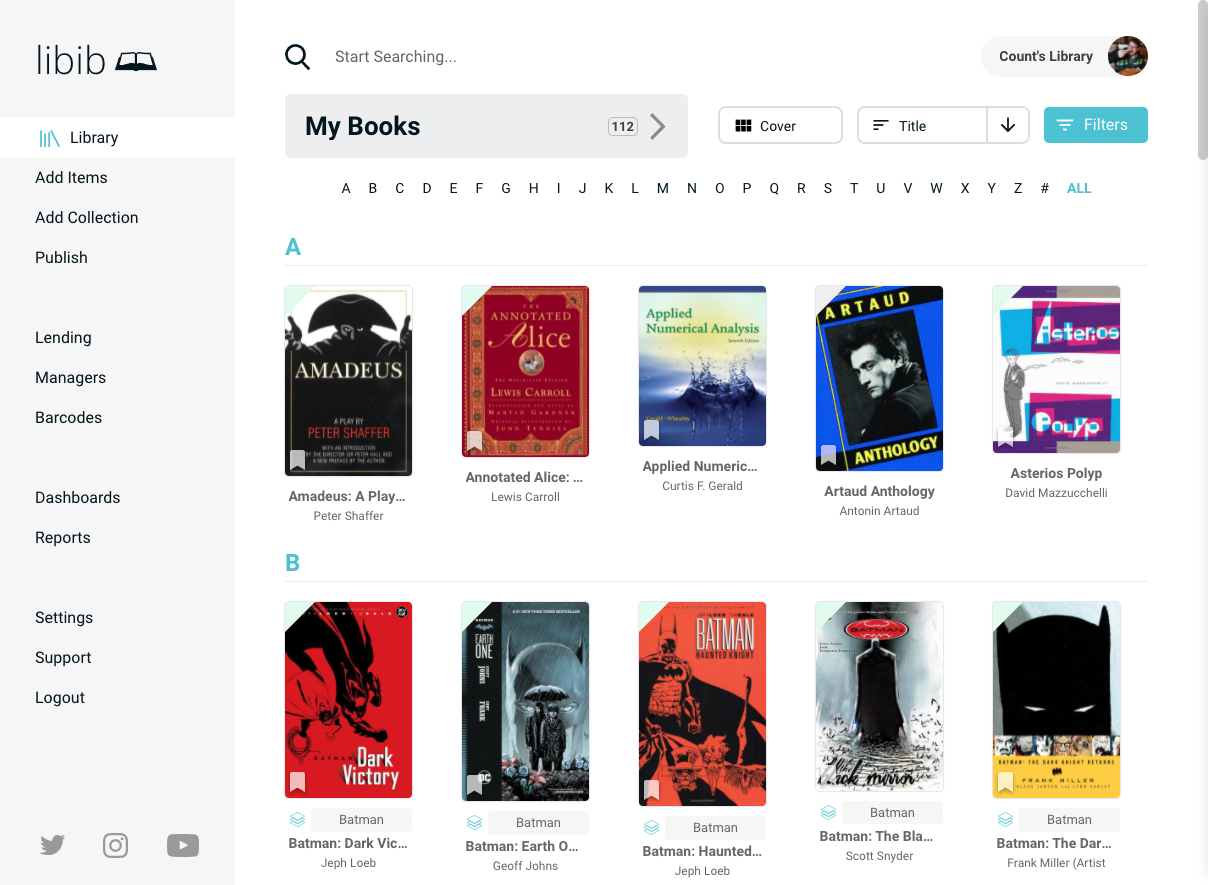
Free apps like Libib or LibraryThing transform your phone into a scanning catalog system. Simply photograph barcodes to create searchable databases that track:
– Book locations
– Loan history
– Reading lists
– Purchase dates and prices
This digital backup proves invaluable when searching for specific titles or managing book loans to friends.
Maintain Your Organized Home Library Long-Term
Establish Daily Habits That Prevent Chaos
Return books to proper shelves immediately after reading. Institute a one-in-one-out rule for new purchases to prevent collection bloat. Keep a designated “to be shelved” basket for temporary storage during busy periods—empty it weekly to maintain order. These small habits prevent major reorganizations later.
Schedule Monthly Maintenance Sessions
Spend 15 minutes each month straightening shelves and checking for misplaced volumes. Dust shelves with microfiber cloths, working from top to bottom. This routine maintenance prevents dust buildup that damages books and keeps your system functioning smoothly.
Adapt Your System as Your Collection Evolves
Your home library organization isn’t static—it should grow with your reading life. Annually reassess your entire system. Remove books that no longer fit your interests. Add new categories as your reading evolves. Merge similar genres or split broad categories into specific niches. The perfect system is the one you’ll actually maintain, not the one that looks prettiest on Pinterest.
Troubleshoot Common Home Library Problems
Solve Overcrowded Shelf Syndrome
When collections outgrow space, evaluate before expanding. Consider vertical storage with double rows (back row elevated on small risers). Alternatively, donate books you won’t reread to create breathing room. For growing collections, leave one empty shelf per bookcase for new acquisitions.
Manage Mixed Household Collections Effectively
Establish personal territories within shared shelving. Each family member gets designated shelves for their books, plus shared areas for common interests. Use different colored labels to identify ownership while maintaining a cohesive system. The Family-Centered Library Handbook recommends creating “family favorite” sections that showcase books everyone enjoys.
Handle Book Lending Without Losing Your Collection
Create a simple checkout system using index cards or apps. Record borrower’s name, date, and book title. This prevents permanent loss of favorite titles and builds accountability among friends. Set a 30-day loan period with automatic reminders for overdue books.
Your journey to organize a home library begins with one shelf, one category, or one room. Start small with your most frequently used books, then expand your system gradually. Six months from now, you’ll wonder how you ever lived with book chaos—finding your favorite novel will take seconds rather than minutes, and sharing books with friends will become a pleasure rather than a panic. Begin today with a single sorting session, and you’ll be well on your way to creating a personal library that enhances your reading life for years to come.