
Imagine waking up after hip surgery, struggling to walk to your bathroom, knowing you need help with wound care and physical therapy—but dreading another hospital stay. This exact scenario plays out thousands of times daily, and home health care offers the perfect solution. The challenge? Understanding if you actually qualify for Medicare’s 100% covered services.
Many seniors and their families miss out on this valuable benefit simply because they don’t know the specific criteria Medicare requires. You might assume you’re not “sick enough” or that leaving home for doctor appointments disqualifies you. These misconceptions prevent people from receiving professional medical care in the comfort of their own homes.
This guide breaks down exactly how to qualify for home health care, step by step, so you can access skilled nursing, therapy services, and personal care without leaving your home—or paying out of pocket.
Medicare’s Five Non-Negotiable Home Health Eligibility Requirements
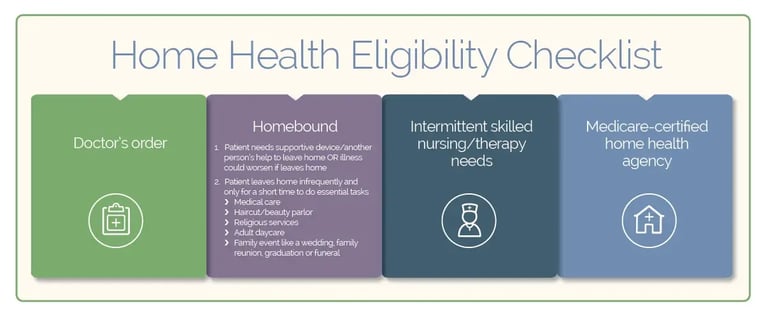
Missing even one of Medicare’s strict criteria will result in denied coverage. These five requirements form the foundation of how to qualify for home health care under Medicare.
Physician Certification That Meets Strict Face-to-Face Guidelines
Your doctor must complete a face-to-face evaluation within 90 days before starting care or within 30 days after your first visit. This evaluation can happen via telehealth in many cases, making access easier for homebound patients.
The physician, physician assistant, or nurse practitioner must specifically certify that you need intermittent skilled care in one or more areas:
– Skilled nursing care for wound management, IV therapy, or medication oversight
– Physical therapy to improve mobility, strength, or balance
– Speech-language pathology for communication or swallowing issues
– Occupational therapy only as a supplement to other services
Your doctor must document that these services are “medically reasonable and necessary” and review your plan every 60 days without requiring additional face-to-face visits.
True Homebound Status Based on Physical Limitations (Not Just No Transportation)
Being “homebound” doesn’t mean you’re literally trapped at home. Medicare defines this status based on the effort required to leave your residence.
You qualify as homebound when:
– Leaving home requires considerable and taxing effort
– You need assistive devices like walkers, wheelchairs, or crutches
– Special transportation or assistance from another person is necessary
– Your condition makes leaving medically unsafe
– Outings are infrequent and brief—limited to medical appointments, religious services, or occasional important events
Important: You can attend doctor appointments, dialysis, or adult day care without losing homebound status. Simply lacking transportation or a driver’s license doesn’t automatically qualify you.
Required Use of Medicare-Certified Home Health Agencies Only
All services must come from a Medicare-certified Home Health Agency (HHA). Find certified providers using Medicare’s Care Compare tool at medicare.gov/care-compare by entering your ZIP code.
Verify certification before starting services—non-certified agencies won’t be covered, leaving you responsible for 100% of costs. You have the right to choose any Medicare-certified agency, regardless of your doctor’s recommendation.
Understanding Intermittent Care Limits (28 Hours Maximum)
Medicare defines “intermittent” as:
– Maximum 8 hours daily
– No more than 28 hours weekly
– Temporary increases allowed when medically necessary
This isn’t 24/7 care, but rather scheduled professional visits for specific medical needs. Medicare covers skilled nursing, therapy services, home health aide services (when paired with skilled care), medical supplies, and certain durable equipment.
Medical Conditions That Almost Always Qualify You for Home Health
Certain health situations typically meet Medicare’s criteria. If you’re experiencing any of these, you’re likely eligible for home health services.
Post-Surgical Recovery Scenarios That Meet Medicare Criteria
Recent surgeries create immediate qualification pathways:
– Joint replacements (hip, knee, shoulder) requiring wound care and mobility training
– Cardiac procedures needing medication management and activity progression
– Back surgeries requiring pain management and therapeutic exercise
These cases typically receive skilled nursing for wound/incision care plus physical therapy for mobility restoration. If you’ve had surgery within the past 30 days and need professional assistance at home, you likely qualify for home health care.
Chronic Illness Management Cases That Satisfy Eligibility
When chronic conditions worsen or become difficult to manage:
– Heart failure with recent hospitalization or medication changes
– COPD exacerbations requiring breathing treatments and education
– Diabetes complications like wound care or blood sugar instability
– Stroke after-effects needing therapy for speech, movement, or daily living skills
These situations require skilled oversight to prevent re-hospitalization. If your condition has recently deteriorated to the point where you need professional help managing medications or treatments at home, you should explore how to qualify for home health care.
Neurological Conditions That Typically Qualify for Home Health
Progressive conditions benefiting from home health include:
– ALS requiring mobility assistance and respiratory care
– Alzheimer’s or dementia with safety concerns or swallowing difficulties
– Parkinson’s disease needing medication management and fall prevention
These patients often qualify for multiple disciplines: nursing, physical therapy, occupational therapy, and speech therapy.
Step-by-Step Process to Get Approved for Medicare-Covered Home Health

Follow these exact steps to secure Medicare-covered home health care without delays or denials.
1. Documenting Your Need During Physician Visit
Call your primary care doctor or specialist to discuss:
– Recent falls or safety concerns at home
– Difficulty managing medications independently
– Problems with daily activities like bathing or dressing
– Chronic condition flare-ups requiring skilled oversight
Ask specifically about home health care and homebound status during this visit. Be prepared to explain how leaving home is difficult or dangerous for you.
2. Securing Proper Face-to-Face Evaluation and Certification
Ensure your doctor documents:
– Need for intermittent skilled nursing, therapy, or both
– Homebound status with specific limitations
– Medical necessity for home-based rather than facility care
Request a copy of this certification for your records. Without this documentation, you cannot qualify for home health care.
3. Selecting the Right Medicare-Certified Home Health Agency
Use these selection criteria:
– Medicare Care Compare ratings for quality outcomes
– Availability in your area within required timeframes
– Specialization in your specific condition or needs
– Communication style and patient reviews
You have complete freedom to choose any certified agency, regardless of your doctor’s recommendation.
4. Completing the In-Home Assessment and Plan of Care
The selected agency will:
– Visit your home to evaluate safety and needs
– Develop a personalized plan of care
– Coordinate with your physician for approval
– Schedule initial visits within 48-72 hours if urgent
This assessment determines exactly how to qualify for home health care services appropriate for your specific situation.
Common Home Health Eligibility Mistakes That Get Claims Denied
Avoid these pitfalls that delay or deny home health coverage:
Assuming You’re Not Sick Enough to Qualify
Many patients miss benefits because they think home health is only for terminal illness. Post-surgical recovery, medication changes, or therapy needs all qualify. If you need professional medical assistance at home, you should check if you qualify for home health care.
Thinking Doctor Appointments Disqualify You from Homebound Status
Regular medical appointments don’t affect homebound status. You can leave home for dialysis, chemotherapy, or follow-up visits while maintaining full eligibility. Your homebound status is determined by the effort required to leave, not the frequency of necessary medical appointments.
Quick Home Health Eligibility Self-Check Before Contacting Your Doctor
Answer these questions honestly to determine your qualification likelihood:
| Requirement | Your Status |
|---|---|
| Doctor has certified need for skilled nursing, PT, OT, or speech therapy | ☐ Yes ☐ No |
| Face-to-face evaluation completed within 90 days | ☐ Yes ☐ No |
| Leaving home requires taxing effort or assistance | ☐ Yes ☐ No |
| Outings are infrequent and brief (medical/religious only) | ☐ Yes ☐ No |
| Selected agency is Medicare-certified | ☐ Yes ☐ No |
| Enrolled in Medicare Part A and/or Part B | ☐ Yes ☐ No |
If you checked “Yes” for all items, you likely qualify for Medicare-covered home health care. Contact your physician or a Medicare-certified agency to begin the process immediately.
Next Steps to Take Immediately If You Need Home Health Care
Don’t wait until a crisis occurs. If you’re experiencing declining health, recent surgery, or increased care needs, take action today:
- Call your doctor to request a home health evaluation
- Research certified agencies in your area using Medicare Care Compare
- Prepare questions about your specific medical needs and coverage
- Involve family in the selection process and care planning
Remember, home health care isn’t just about medical treatment—it’s about maintaining your independence, safety, and quality of life in the place you call home. Understanding how to qualify for home health care puts you one step closer to receiving professional medical assistance where you’re most comfortable.