Every day, 10,000 Americans turn 65, creating unprecedented demand for compassionate senior housing. Yet across the country, only 29,000 assisted living facilities serve 800,000+ residents—leaving massive gaps in every community. Starting a senior living home isn’t just a business opportunity; it’s a chance to provide dignity and care for our aging population while building a sustainable enterprise. Whether you’re envisioning a cozy 6-bed residential care facility or a larger assisted living community, success requires navigating licensing, financing, staffing, and regulations that differ significantly from traditional real estate or healthcare ventures. This guide breaks down the exact steps, timelines, and pitfalls to transform your vision into a licensed, profitable senior living home within 12 months.
Choose Your Senior Living Model Based on Profitability
Select Between RCFE and Assisted Living Community
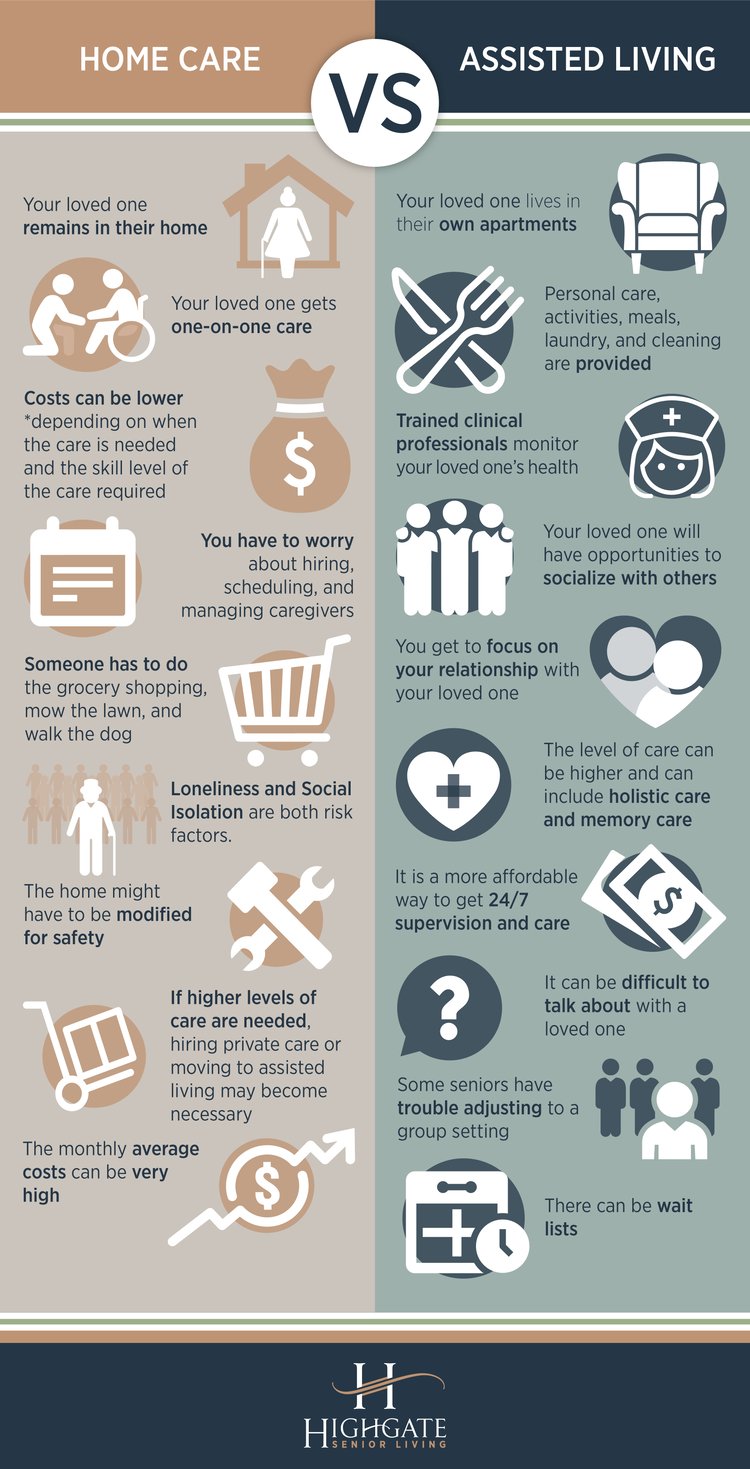
Your first critical decision determines regulatory requirements, startup costs, and revenue potential. A Residential Care Facility for the Elderly (RCFE) accommodates 4-16 residents in a converted single-family home with state-only licensing requirements. This model requires significantly lower startup capital ($400K-$1M) and generates approximately $35,400 monthly revenue with six residents paying $5,900 average monthly rates.
Profit comparison by model:
– RCFE/Adult Family Home: Lower startup costs, single-family home conversion, state-only regulations
– Assisted Living Community: Higher revenue potential ($2M-$5M+ facilities), purpose-built construction, optional Medicaid certification
– Memory Care Specialty: Adds 20-30% premium pricing, requires secure environments and specialized staff training
Critical mistake to avoid: Trying to serve all senior demographics. Most successful facilities focus on specific needs like ambulatory seniors aged 75-85 rather than attempting to accommodate both wheelchair users and dementia patients.
Define Your Ideal Resident Profile
Precisely identifying who you’ll serve creates marketing clarity and operational efficiency. Consider:
– Mobility level: Ambulatory-only facilities avoid costly accessibility retrofits
– Cognitive status: Memory care requires specialized staff training and secure environments
– Payment method: Private-pay facilities avoid Medicaid paperwork but require higher occupancy rates
Pro tip: Visit 3-5 competitor facilities within 15 miles. Note their pricing, occupancy rates, and service gaps. If all competitors focus on general assisted living, specializing in Parkinson’s care could differentiate your facility.
Secure Financing and Create Your Business Plan

Build Your Capital Stack with Multiple Funding Sources
Most successful senior living homes combine several funding sources. For a typical 6-bed RCFE requiring $500K total investment:
Primary funding options:
– SBA 7(a) loan: Up to $5M, 10% down payment, 25-year terms (most common)
– USDA Business & Industry: 3-4% rates for rural locations
– Private investors: 8-12% preferred returns, 20-30% equity stake
– Equipment financing: Lease nurse-call systems and kitchen appliances
Example capital structure:
Total project cost: $500,000

- SBA 7(a) loan: $400,000 (80%)

- Owner equity: $75,000 (15%)

- Equipment financing: $25,000 (5%)
Warning: Banks require detailed pro formas showing 60% occupancy in month one (ramping to 90% by month 12) before approving loans.
Develop Your Financial Model with Conservative Assumptions
Create a 5-year pro-forma with realistic occupancy projections:
6-bed RCFE monthly projections:
– Revenue: $5,900 × 6 residents = $35,400
– Operating expenses: $18,000 (labor 55%, food 14%, insurance 10%)
– Net operating income: $17,400 (49% margin)
– Debt service: $2,800 (SBA loan payment)
– Owner cash flow: $14,600/month
Critical assumptions to validate:
– Labor costs should equal 45% of revenue at full occupancy
– Food costs should stay below $15 per resident daily
– Marketing expenses should remain under 4% of revenue
Navigate Licensing Requirements Efficiently
Complete State-Specific Administrator Training
Every state requires administrator certification before applying for a license. California’s process illustrates typical requirements:
RCFE licensing timeline:
– Week 1: Complete 6-hour CDSS online orientation
– Weeks 2-10: Enroll in 80-hour administrator certification ($800-$1,200)
– Month 2-3: Submit application with facility sketches
– Month 7: Final licensing inspection and approval
Common delays to anticipate:
– Incomplete architectural drawings (adds 30-60 days)
– Fire marshal retrofit requirements (sprinkler systems: $15,000-$30,000)
– Background check issues for owners/staff
Pro tip: Some states offer expedited processing if you hire a certified administrator immediately while completing your own certification.
Prepare Your License Application Package Thoroughly
Most states require these critical documents before scheduling inspections:
Essential licensing documents:
– Business entity formation (LLC/corporation)
– Detailed floor plans showing room dimensions and exits
– Fire life safety checklist (sprinklers, alarms, extinguishers)
– Proof of operating reserves (2-3 months expenses)
– Background checks for all owners and staff
Critical warning: California imposes a 1-year moratorium on re-application if your license is denied. Submit a complete application package the first time.
Find and Prepare Your Property Strategically

Target Properties Meeting Non-Negotiable Requirements
Select locations that satisfy these essential criteria:
Location essentials:
– Zoned for “residential care facility” or “institutional use”
– Within 5 miles of hospital, pharmacy, and grocery store
– Single-story or elevator-equipped for accessibility
– Fire hydrant within 400 feet
– Minimum 0.5 acre for parking and outdoor space
Property inspection checklist:
– Doorways: 32-inch minimum width
– Bathrooms: Space for 5-foot wheelchair turning radius
– Electrical: 200-amp service minimum for nurse-call systems
– HVAC: Individual room temperature controls
Money-saving tip: Look for homes previously operated as RCFEs. Existing fire safety systems can reduce renovation costs by 30-50%.
Budget Realistically for Mandatory Renovations
Renovation costs vary dramatically by property condition:
Typical retrofit costs (6-bed RCFE):
– Fire safety: $25,000-$50,000 (sprinklers, alarms, exit signs)
– Accessibility: $15,000-$30,000 (ramps, grab bars, widened doors)
– Technology: $8,000-$12,000 (nurse-call system, Wi-Fi, security cameras)
Critical mistake: Underestimating fire safety costs. Sprinkler system installation alone typically costs $15,000-$30,000 even in existing RCFE properties.
Build Your Care Team for Quality and Compliance
Hire Strategically Based on State Staffing Ratios
Most states specify minimum staffing ratios. A 6-bed RCFE typically needs:
Essential positions:
– Administrator (you or hire): State-certified, oversees operations
– Caregivers: 1:8 day shift, 1:10 evening, 1:15 overnight ($15-$22/hour)
– Licensed nurse: Weekly visits for assessments ($35-$45/hour)
Recruitment strategy:
– Partner with local CNA schools for new graduates
– Offer $250-$500 employee referral bonuses
– Advertise on Facebook caregiver groups
Pro tip: Cross-train staff to reduce overtime costs during unexpected absences. A housekeeper trained in basic care can cover shifts without violating staffing ratios.
Implement Standardized Training Systems
Develop onboarding procedures that ensure compliance and quality care:
30-day training checklist:
– Week 1: Orientation, HIPAA, emergency procedures
– Week 2: Medication management, dementia care basics
– Week 3: Documentation, fall prevention, infection control
Retention tactics:
– Offer health insurance stipend after 90 days
– Use scheduling apps (When I Work) for flexibility
– Monthly employee recognition lunches
Launch Marketing and Fill Your Home
Convert Inquiries to Move-Ins with Systematic Follow-Up
Professional referrals generate 60-80% of quality leads:
Key referral sources:
– Hospital discharge planners (lunch-and-learn presentations)
– Elder law attorneys (CEU sponsorship opportunities)
– Home health agencies ($1,000-$2,000 placement fees)
Sales funnel targets:
– Inquiry to tour: ≥50% conversion
– Tour to deposit: ≥40% conversion
– Deposit to move-in: ≤30 days
Tour best practices:
– Schedule within 24 hours of inquiry
– Offer both virtual and in-person options
– Have current residents share testimonials
Starting a senior living home demands patience, capital, and deep commitment to quality care. Yet with 10,000 Americans turning 65 daily, the opportunity to build both profit and purpose has never been greater. Begin with thorough market research, secure appropriate financing, and follow your state’s licensing requirements methodically. Within 12 months, you could welcome your first residents to a home that provides dignity for seniors and financial freedom for your family. Your community’s aging population needs you—start planning today.