Every American discards 4.5 pounds of paper daily—yet your recycling bin holds the raw materials for beautiful handmade stationery, garden pots, and gift wrap. Instead of contributing to the 67 million tons of paper waste filling landfills annually, you can transform yesterday’s junk mail into tomorrow’s custom notebooks using just household items. This guide reveals three proven methods that require no special equipment, with the traditional screen technique taking just two afternoons. You’ll learn exactly how to recycle paper at home safely while avoiding common pitfalls like moldy sheets or ruined blenders.
Quick Reuse Methods You Can Start Immediately
Notepad Creation in Under 10 Minutes
Grab any stack of single-sided printed paper—bills, meeting notes, or rejected drafts. Cut sheets in half vertically, punch two holes at the top edge using a standard hole punch, and thread through 1-inch binder rings. You’ve just created a durable notepad from waste that would’ve gone to landfills. Pro tip: For sturdier binding, reinforce hole edges with clear tape before punching. This method works best with standard office paper but avoids glossy magazines or cardstock that won’t lay flat.
Garden Applications for Office Paper
Line plant pots with double-sided written office paper before adding soil. The paper retains moisture while slowly decomposing—unlike plastic liners that trap water and cause root rot. When repotting, simply bury the entire paper liner in your compost bin where it breaks down in 3-4 weeks. Critical note: Never use this method with heavily inked paper like newspapers, as certain inks may leach into soil. Stick to lightly printed office paper for safe garden applications.
Gift Wrapping from Junk Mail
Transform colorful catalogs and magazines into boutique-style gift wrap. Tear out vibrant pages, overlapping edges by ½ inch, and secure with burlap ribbon instead of tape. For seamless joins, apply a thin layer of wheat paste (1 tbsp flour + 2 tbsp water) along the overlap before pressing together. Avoid this mistake: Glossy magazine covers won’t absorb paste properly—peel off the shiny layer first by soaking in warm water for 10 minutes.
Traditional Screen Method for Professional Results

Essential Tools You Already Own
Skip expensive paper-making kits—your kitchen holds everything needed. Grab a fine mesh splatter screen (or old window screen cut to 9×12 inches), a blender dedicated solely to paper recycling, and microfiber towels. Warning: Never use this blender for food again due to ink residues. For soaking, repurpose a plastic storage bin instead of buying specialty tubs. This setup costs $0 if you use household items.
Preparing Paper Pulp Without Blending Disasters
Cut newspaper, junk mail, or office paper into 1-inch squares using kitchen scissors. Soak overnight in hot tap water—this softens fibers better than cold water. When blending, use a 1:3 ratio (paper to water) and pulse in 30-second intervals to prevent motor burnout. Stop immediately if you hear straining—overloading creates lumpy pulp that forms weak paper. Aim for a smoothie-like consistency where individual fibers disappear.
Forming Perfect Sheets on Your First Try
Fill a shallow baking dish with 3 inches of water. Add 2 cups of blended pulp and stir thoroughly. Submerge your screen horizontally, then lift slowly at a 15-degree angle. The pulp should coat the screen evenly—thin spots tear during drying. Visual cue: Hold the screen up to light; it should look uniformly cloudy with no transparent patches. If bubbles form, tap the screen gently on the water’s surface.
Removing Water Without Tearing Your Paper
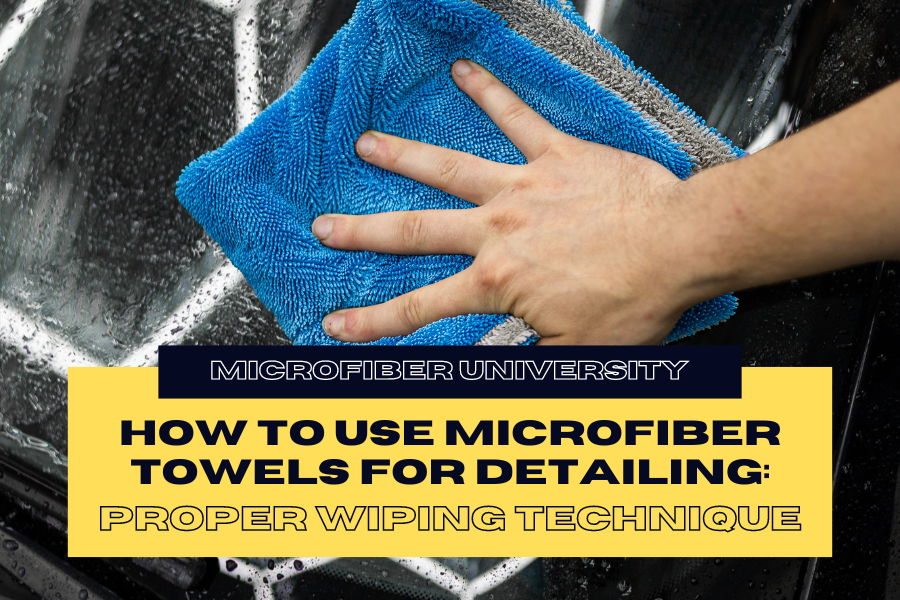
Place the pulp-covered screen on microfiber towels. Press firmly with a second towel using straight-down pressure—never rub sideways, which creates holes. Apply 10 seconds of firm pressure, then peel back a corner to check moisture. Warning sign: If paper sticks to the towel, it’s too wet—press longer. Once transferable, flip the screen onto a dry towel and peel paper off starting at one corner.
No-Mould Alternative for Apartment Dwellers
Fabric-Based Paper Making Without Screens
Stretch an old cotton bedsheet tightly over a baking sheet. Spread pulp evenly to 1/8-inch thickness using a plastic ruler. Cover with a dish towel and press with a sponge in circular motions to extract water. Time-saver: Dry sheets directly on the fabric—they’ll peel off cleanly after 24 hours in a warm room. This method creates uniquely textured paper ideal for watercolor backgrounds.
Container Lid Method for Card Making
Use metal cookie tins or plastic container lids as makeshift molds. Press pulp into the base, smoothing edges with damp fingers. For business-card-sized sheets, use Altoids tins. Pro tip: Place a second lid on top and clamp with binder clips to speed water removal—perfect for making 20+ gift tags in one batch.
Troubleshooting Critical Paper Recycling Problems

Fixing Paper That Tears When Peeling
Your sheet needs more drying time on the screen. If urgent, use a hairdryer on cool setting 6 inches away for 2 minutes. Prevention: In humid climates, add 1 tbsp cornstarch to the pulp bath—it reduces water retention. Test dryness by touching the back; it should feel cool but not damp.
Preventing Inconsistent Thickness
Pulp settles rapidly in water—always stir vigorously before each dip. Lift the screen at the same speed every time (count “one-Mississippi” during lift). Quick fix: For thin spots, immediately add pulp slurry with a spoon before pressing. For thick areas, gently scrape excess with a credit card edge.
Stopping Mold Before It Starts
Mold appears as fuzzy green spots within 48 hours when paper dries too slowly. Immediate action: Wash the sheet in 1:10 vinegar-water solution, then re-dry. Prevention: Place drying sheets near a dehumidifier or in direct sunlight (UV light kills spores). Never stack sheets while damp—even one moist piece ruins the batch.
Critical Safety Guidelines Often Ignored
Why You Must Never Use Kitchen Blenders for Food Again
Paper recycling permanently contaminates blenders with microscopic ink particles and paper fillers like calcium carbonate. Documented risk: These residues can’t be fully removed through standard cleaning. Label your paper-dedicated blender with red tape to prevent dangerous mix-ups.
The Hidden Danger of Paper Briquettes
Paper briquettes for fireplaces release toxic fumes containing dioxins and heavy metals from inks and coatings. Critical fact: Germany banned home paper briquettes due to inadequate home fireplace filtration. Never burn recycled paper—compost it instead.
Storing Leftover Pulp for Future Projects
Drying Pulp Balls for Months-Long Storage
Drain excess water through a mesh pasta strainer, then squeeze pulp into golf-ball-sized spheres. Air-dry on a wire rack for 72 hours until rock-hard. Storage tip: Keep in glass jars with silica gel packets—they’ll stay usable for 6+ months. To reactivate, soak overnight in hot water before re-blending.
Cleaning Screens Before Paper Sets Hard
Rinse screens immediately after use under running water while pulp is still wet. For dried residue, soak in vinegar-water (1:1) for 1 hour before scrubbing with an old toothbrush. Never use steel wool—it damages mesh and creates weak spots for future tears.
When Municipal Recycling Beats Home Methods
Paper Types That Must Go to Curbside
Soiled paper like pizza boxes, greasy takeout bags, and used paper plates always belong in municipal recycling—not home projects. These contain oils that ruin handmade paper and compost systems. Critical rule: If paper tears wet (like tissue), it’s compostable; if it stays intact (like receipts), it must go curbside.
Preparing Paper for Collection Without Contamination
Remove plastic windows from envelopes using a credit card edge—never rip, which leaves plastic fragments. Store clean paper indoors in a labeled bin to avoid rain damage. Pro tip: Flatten cardboard boxes with a rolling pin; compacted loads get processed faster at facilities.
Recycling paper at home transforms waste into functional art while cutting landfill contributions by 30%. Your first sheet might have rough edges, but by the third attempt you’ll create professional-quality paper perfect for wedding invitations or art journals. Start with a single stack of junk mail this weekend using the fabric method—within 48 hours, you’ll hold tangible proof that sustainable living fits in any kitchen. Remember: every sheet you make at home keeps 17 trees standing for future generations.