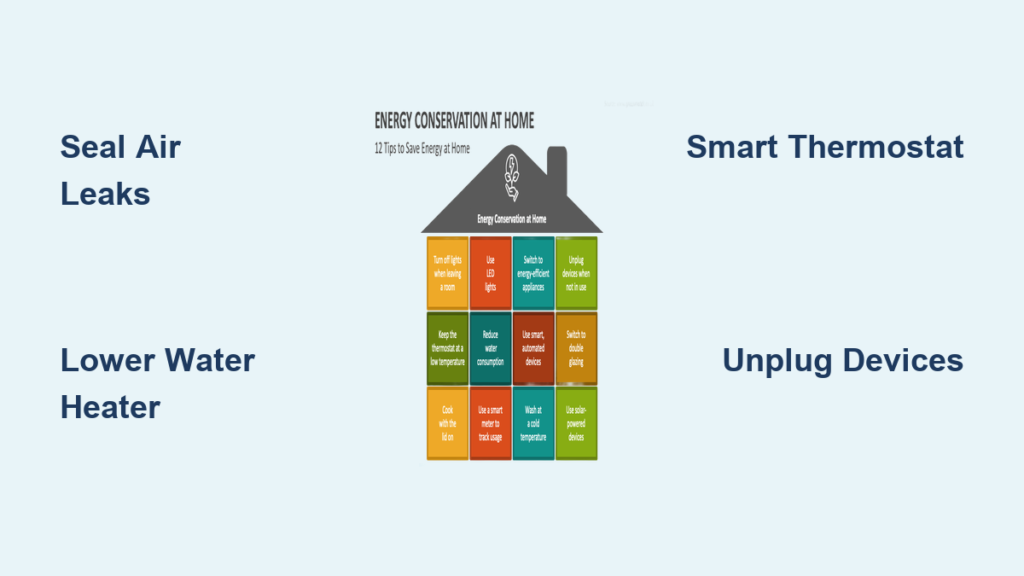
Your electricity bill keeps climbing while your home feels less comfortable—sound familiar? Most households waste 20-30% of their energy through inefficient practices and outdated equipment. The good news: you can slash costs by hundreds annually with strategic changes that don’t require major renovations. This how to conserve energy at home guide delivers room-by-room tactics, proven behavioral shifts, and smart upgrades that maintain your comfort while shrinking your carbon footprint. Discover which fixes pay for themselves fastest and how renters can implement changes without landlord headaches.
Start with lighting—your fastest path to savings. Replace your five most-used fixtures (kitchen overheads, living room lamps, bathroom vanities) with ENERGY STAR LEDs immediately. These use 80-90% less power than incandescent bulbs while lasting 15 times longer, saving about $40 yearly. Choose warm white (2700K-3000K) for living areas to preserve cozy ambiance, and cool white (4000K-5000K) for task lighting in kitchens or home offices. Pro tip: Time purchases with utility promotions—many offer 50-70% rebates on quality LEDs. Four bulbs alone prevent 300 kWh of waste annually, equivalent to $66 in high-rate areas while eliminating 780 pounds of greenhouse gases over their lifetime.
Seal Air Leaks Before Winter Hits
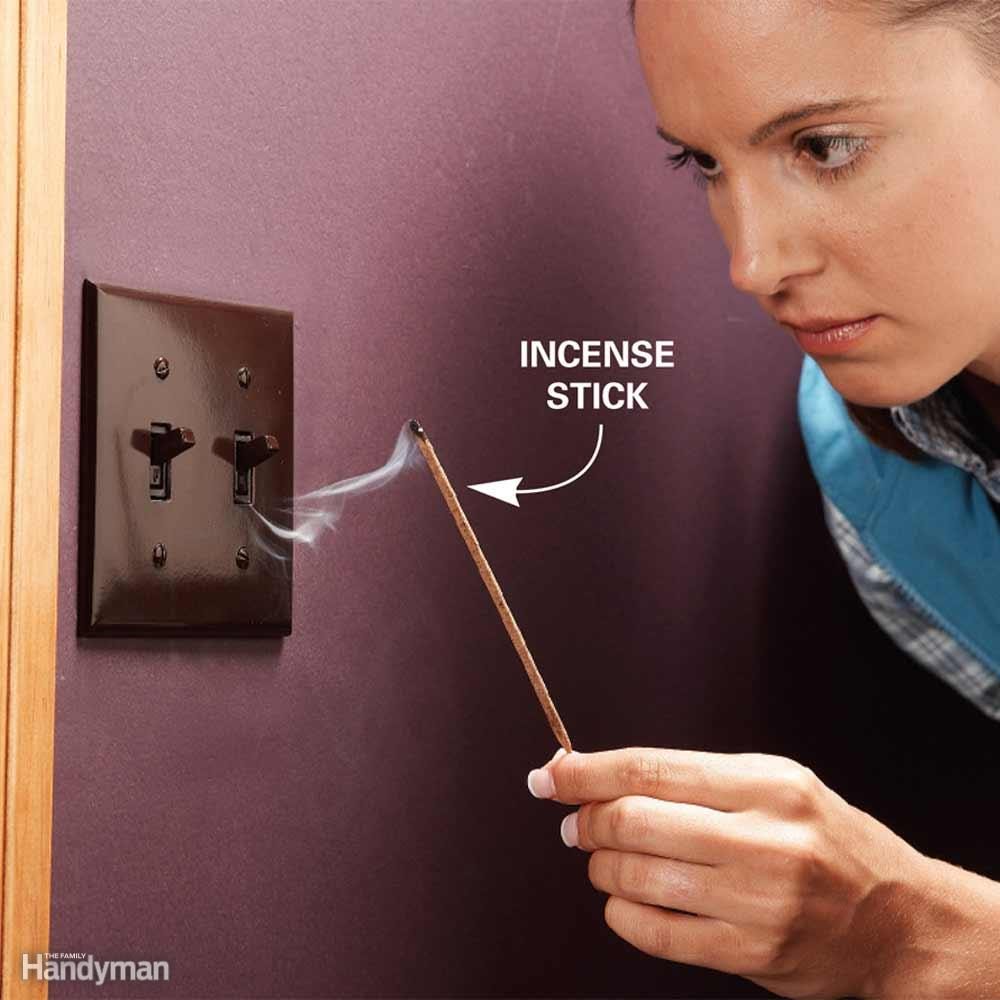
DIY Draft Detection in 15 Minutes
Grab an incense stick and check for smoke movement around window frames, door edges, and electrical outlets on exterior walls. Focus on these high-impact zones:
– Window/door perimeters (replace cracked caulk)
– Attic hatches (add magnetic seals)
– Recessed lighting fixtures (upgrade to airtight models)
– Baseboard gaps (use expandable foam for large openings)
A single drafty window can waste $20 monthly in heating costs. For best results, test during windy days when leaks are most pronounced.
Weatherproofing That Pays for Itself
Apply adhesive-backed foam weatherstripping to door frames ($5 roll) and window sashes ($8 pack). Install door sweeps on exterior entries ($15) and seal stationary gaps with acrylic latex caulk ($4 tube). These $20-50 fixes reduce heating needs by 10-20%—translating to $150+ annual savings for older homes. Critical tip: Never use duct tape on ductwork; it degrades in months. Instead, wrap joints with metallic HVAC tape ($7 roll) and insulate exposed ducts in basements with pre-formed fiberglass sleeves.
Slash Water Heating Without Cold Showers
Temperature Tweaks with Instant Savings
Lower your water heater thermostat to 120°F (49°C)—this prevents scalding while cutting energy use by 6-10%. For electric tanks, add an insulating blanket ($25) to reduce standby heat loss by 25-45%. These two adjustments alone save $72-145 yearly depending on your utility rates. Warning: Gas water heaters shouldn’t get blankets due to fire risks—prioritize thermostat adjustment instead.
Shower Smarts for Maximum Impact
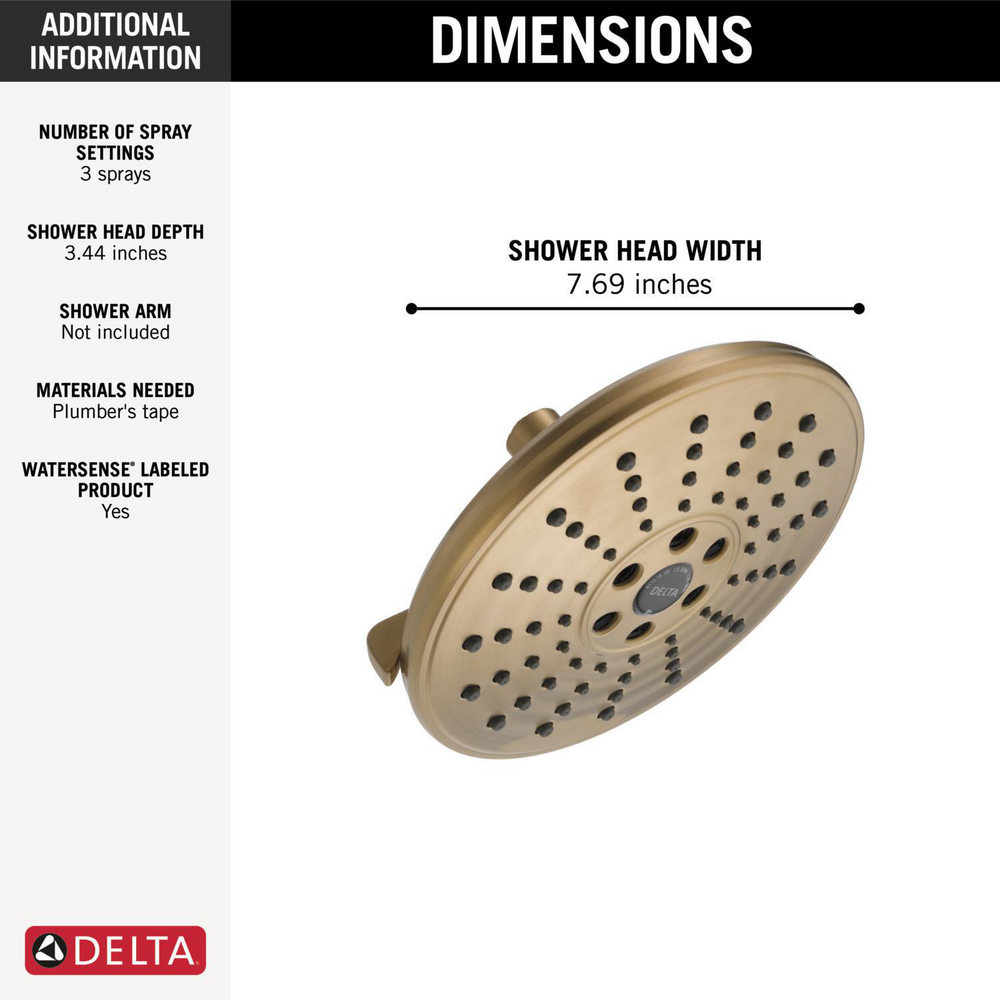
Install a WaterSense-labeled showerhead (2.0 GPM or less) to cut hot water use by 30%. A 5-minute shower with this efficient model uses just 10 gallons versus 30 for a bath. Pair this with the habit of taking shorter showers, and you’ll save enough to cover your annual Netflix subscription. Run bathroom exhaust fans 15 minutes post-shower to control humidity without overcooling your space.
Optimize HVAC for Real-World Living
Smart Thermostat Settings That Stick
Program your thermostat to 78°F when home and 85°F when away during summer; set winter temps to 64-68°F when occupied. Each degree above 68°F increases heating costs by 10%. Smart models learn your schedule within a week, delivering 8-15% savings ($50-100 annually) through automatic adjustments. Key strategy: Use “away” mode for vacations but never set winter temps below 60°F to prevent pipe freezing.
Natural Cooling and Heating Hacks
Open west-facing windows after sunset when temps drop below 70°F, then close them by 8 AM with curtains drawn. Use ceiling fans counterclockwise on medium speed in summer to create a 4°F wind-chill effect. Reverse direction clockwise on low in winter to push trapped warm air downward. During heatwaves, grill outdoors to avoid oven-generated indoor heat—this simple shift reduces AC runtime by 20%.
Eliminate Phantom Power Drains
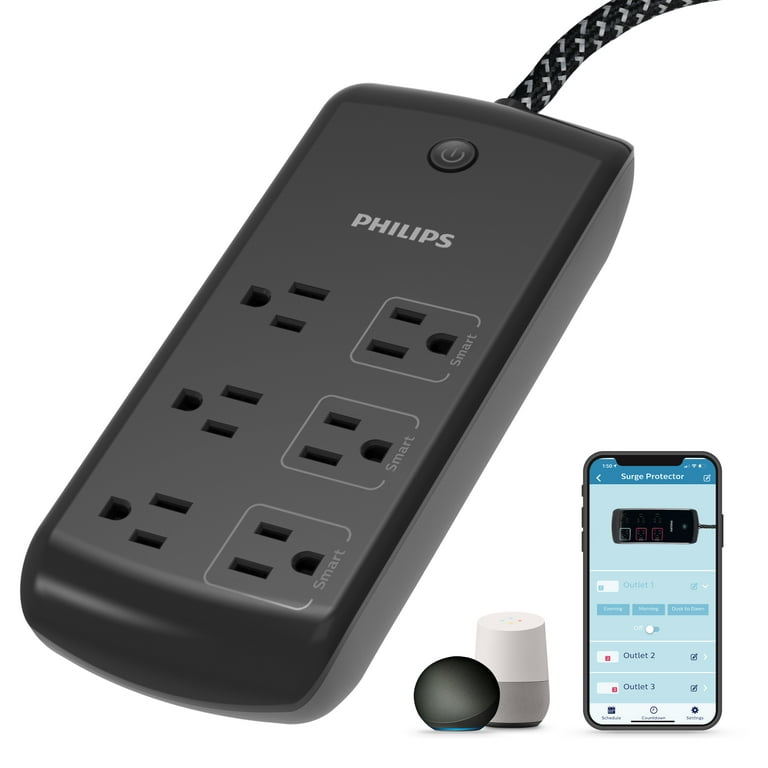
Power Strip Strategies That Work
Electronics on standby (TVs, game consoles, chargers) drain 5-10% of your power bill—$100+ yearly for most households. Plug entertainment centers into smart power strips that cut power when devices go idle. For home offices, enable sleep mode after 15 minutes of inactivity and hibernate after 30 minutes. Pro move: Unplug phone chargers immediately after devices hit 100%—they continue drawing power unnecessarily.
Zone Living on a Budget
Close doors to unused rooms and adjust individual radiator valves downward. In winter, lower the main thermostat to 62°F and use a $30 ceramic space heater only in your occupied room. During summer, cool just your bedroom overnight with a fan instead of the whole house. This zone-focused approach reduces HVAC runtime by 30% without sacrificing comfort where you actually live.
Maximize Appliance Efficiency Today

Laundry Room Power Moves
Always wash full loads and skip the pre-rinse cycle on dishwashers—modern models handle residue without extra water. Use cold water for 90% of laundry loads to save $115 yearly since heating water consumes most washer energy. Clean dryer lint traps before every load (a 30-second task that saves $34 annually) and vacuum refrigerator coils twice yearly to boost efficiency by 30%. When drying clothes, remove items immediately to prevent wrinkling and rewashing.
Kitchen Energy Wins
Microwaves use 50% less energy than electric ovens for reheating—opt for this when possible. Always cook with pot lids on to reduce cooking time by 25%, and thaw frozen foods overnight in the fridge rather than using microwave defrost. Batch-cook meals on weekends and freeze portions; reheating uses 80% less energy than cooking from scratch. Keep fridge temps at 37-40°F and freezer at 0°F—every degree colder increases energy use by 25%.
Unlock Free Money for Upgrades
Utility Rebates You Qualify For
Contact your provider about instant rebates—many offer free LED bulbs, smart thermostats, and low-flow showerheads. Massachusetts residents get 75-100% insulation reimbursement up to $15,000 through MassSave. Schedule a professional energy audit after DIY fixes; blower door tests and thermal imaging identify hidden leaks, with average savings of $330 yearly justifying the $200-400 cost. Critical step: Check DSIRE database for state-specific incentives before purchasing any major upgrade.
Your 30-Day Action Plan
Start tonight with two $0 changes: reprogram your thermostat using the summer/winter settings above and unplug all non-essential electronics. This weekend, replace your five most-used bulbs with LEDs and seal obvious drafts around windows. Within 30 days, install a low-flow showerhead and set up smart power strips. Track your progress monthly through your utility app—most see 10% reductions within two billing cycles. Remember, consistency beats perfection: even implementing half these how to conserve energy at home tactics saves $500+ yearly while making your space more comfortable. The most efficient home isn’t the one with the latest tech—it’s the one where every occupant knows these simple, life-changing habits.