
Your home is responsible for approximately 16-18 tons of CO₂ annually—eight times the global average. This number doesn’t have to stay that high. Implementing targeted changes across your daily household operations can dramatically lower your environmental impact while saving you money. Discover exactly how to reduce carbon footprint at home with proven methods that deliver measurable results, from quick fixes you can complete this weekend to strategic long-term investments that transform your household’s environmental legacy.
Calculate Your Home’s Carbon Baseline
Before implementing changes, understand where your household emissions originate. Free online tools provide precise measurements revealing your biggest carbon culprits through straightforward questionnaires.
Top Carbon Footprint Calculators:
– EPA Household Calculator: Breaks down emissions by energy use, transportation, and waste
– Nature Conservancy Tool: Includes diet, shopping, and air travel impact
– Carbonfootprint.com: Most comprehensive assessment for US households
Enter your utility bills, driving habits, and dietary patterns. Most households discover 2-3 major emission sources representing 60-80% of their total carbon footprint. This targeted approach prevents wasted effort on minor improvements while maximizing your environmental impact.
What Your Carbon Results Reveal
- Above 15 tons: Transportation or poor home efficiency dominates your footprint
- 8-15 tons: Typical suburban household with significant improvement potential
- Below 8 tons: Already implementing effective efficiency measures
Slash Home Energy Use Immediately
Weatherize Your House in One Weekend
Residential buildings generate one-third of developed nations’ emissions. Targeting air leaks and insulation gaps delivers immediate carbon reductions without major renovations.
Weekend Weatherization Plan:
– Seal gaps: Caulk and weatherstrip around windows, doors, and outlets (saves 10-15% on heating/cooling)
– Boost attic insulation: Upgrade from R-11 to R-49 cuts heating costs 15-25%
– Install door sweeps: Block drafts under exterior doors with $10 hardware store purchases
Pro tip: Hold a lit incense stick near potential leak points on windy days—visible smoke movement reveals hidden air escapes you can seal immediately.
Optimize Your Thermostat Settings
Adjusting your thermostat just 2°F saves 2,000 pounds of CO₂ yearly—equivalent to driving 2,200 fewer miles. Strategic temperature management delivers significant carbon reductions with minimal lifestyle disruption.
Optimal Temperature Settings:
– Winter: 68°F when home, 65°F when sleeping, 60°F when away
– Summer: 78°F when home, 82°F when away
– Smart upgrade: Programmable thermostats pay for themselves in 6-12 months through energy savings
Quick win: Every degree you adjust saves 3-5% on energy bills. Most households save $180-400 annually with strategic thermostat use—money that can fund additional carbon reduction projects.
Complete Your LED Lighting Transformation
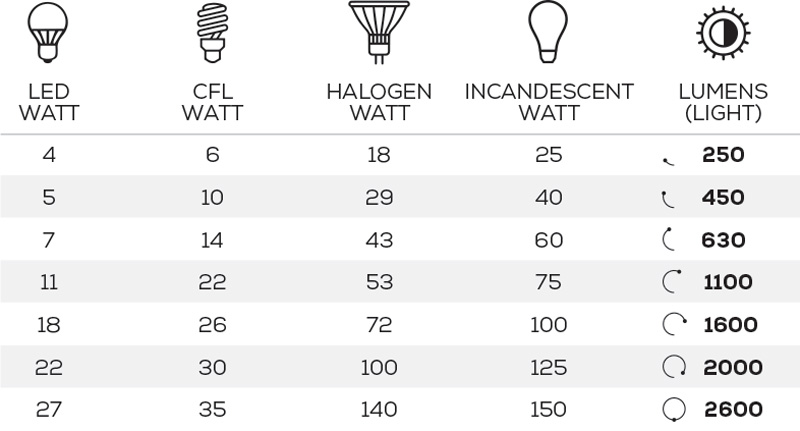
Replacing 30 incandescent bulbs with LEDs eliminates 4,000 pounds of CO₂ annually—like taking a car off the road for five months. This simple swap delivers outsized environmental benefits.
Smart Shopping Guide:
– Lumens over watts: 800 lumens = old 60-watt bulb equivalent
– Color temperature: 2700K for warm lighting, 5000K for daylight simulation
– Smart features: Dimmable LEDs save additional 20-40% when dimmed
Cost breakdown: $150-300 upfront for whole-house LED conversion saves $75-150 yearly in electricity costs—making this one of the fastest carbon reduction paybacks available.
Switch to Renewable Energy Sources
Install Solar Panels for Long-Term Impact
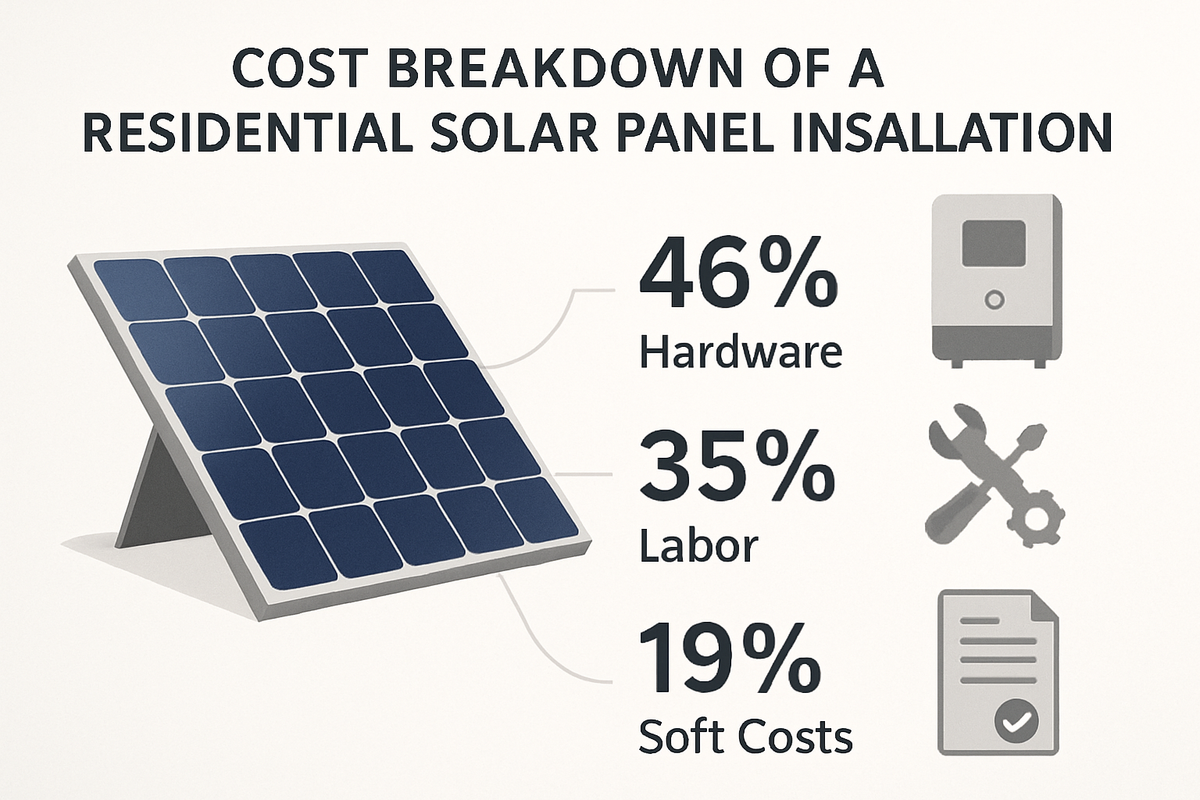
A 6.66kW solar system offsets emissions equal to driving 13,000+ miles annually. With current incentives, systems pay for themselves in 6-10 years through electricity savings.
Financial Incentives (Northeast Example):
– Federal tax credit: 30% of system cost through 2032
– State rebates: Up to $0.15 per watt in New York
– Net metering: Sell excess power back to your utility company
Savings timeline: Most households save $10,000-30,000 over 20 years after incentives—proving how to reduce carbon footprint at home can align with financial wisdom.
Access Clean Energy Through Community Solar
Can’t install rooftop panels? Community solar programs let you access renewable energy through subscription models with no installation required.
How it works:
– No upfront cost: Monthly subscription instead of installation
– 10-15% discount: On electricity bills through solar credits
– Flexible terms: Most programs allow cancellation with 30-day notice
Finding programs: Check your utility website or visit Green-e.org for certified providers in your area—making renewable energy accessible regardless of your housing situation.
Transform Your Home Transportation Habits
Driving Techniques That Reduce Emissions
Driving 10 fewer miles weekly saves 500 pounds of CO₂ yearly. Combine these strategies for maximum impact without changing your vehicle.
Fuel-Saving Driving Techniques:
– Smooth acceleration: Aggressive driving wastes 40% more fuel
– Proper tire pressure: 3% efficiency increase, check monthly
– Lighten your load: Remove 100 pounds from trunk for 2% improvement
– Plan routes: Combine errands into single efficient trips
Maintenance matters: Properly tuned engines improve fuel economy 4%—regular oil changes and filter replacements deliver both environmental and mechanical benefits.
Transition to Electric Vehicles Strategically
EVs offset manufacturing emissions after just three years of typical driving. Federal and state incentives make switching more affordable than ever.
Current EV Incentives:
– Federal tax credit: Up to $7,500 for qualifying vehicles
– State rebates: $500-2,000 in participating states
– Utility discounts: Reduced electricity rates for EV charging
Range reality: 250+ mile range EVs handle 95% of daily driving needs. Home charging costs 3-4x less than gasoline—making this transition both environmentally and economically sound.
Revolutionize Your Home Food System
Implement Strategic Meat-Free Days
Every meatless day reduces your footprint by 8 pounds of CO₂. That’s 2,920 pounds annually going fully plant-based—a massive reduction achievable through simple dietary shifts.
Progressive approach:
– Week 1-4: Meatless Mondays (32 pounds CO₂ saved)
– Month 2-3: Add meatless weekdays (640 pounds CO₂ saved)
– Month 4+: Plant-based weekdays plus weekend flexibility (1,500+ pounds CO₂ saved)
Protein swaps: Replace ground beef with lentils (90% less emissions) or chicken with beans (50% less emissions)—proving how to reduce carbon footprint at home starts right on your dinner plate.
Eliminate Food Waste Systematically
Global food waste equals 11% of greenhouse gas emissions. Your kitchen plays a direct role in this environmental crisis.
Weekly food waste audit:
– Monday: Track everything thrown out for one week
– Thursday: Identify patterns (spoiled produce, expired dairy, leftovers)
– Sunday: Plan next week’s meals based on findings
Storage solutions: Freeze excess bread and vegetables, implement first-in-first-out labeling, and transform vegetable scraps into soup stock—simple actions that significantly reduce your household carbon output.
Create a Zero-Waste Home Ecosystem
Upgrade Your Recycling System Room-by-Room
Recycling half your household waste saves 2,400 pounds of CO₂ annually—like planting 40 trees. Effective recycling requires knowledge of local rules and proper sorting.
Recycling checklist by room:
– Kitchen: Glass, aluminum, paperboard, #1 and #2 plastics
– Bathroom: Shampoo bottles, toilet paper rolls, medicine boxes
– Home office: Paper, cardboard, electronics, batteries
– Garage: Paint, motor oil, metal tools, garden chemicals
Critical note: Only 30% of plastic gets properly recycled in the US. Check your municipality’s accepted materials list—contaminated recycling often ends up in landfills, negating your efforts.
Transform Your Clothing Consumption
The average American discards 80 pounds of clothing yearly. Fast fashion creates massive carbon emissions through production and disposal.
Sustainable wardrobe strategies:
– 30-wear rule: Buy only items you’ll wear 30+ times
– Quality investment: $100 jeans worn 100 times beats $20 jeans worn 5 times
– Secondhand first: Thrift stores offer 90% savings and zero new emissions
– Clothing swaps: Host quarterly swaps with friends and neighbors
Care impact: Wash clothes in cold water saves 500 pounds CO₂ annually. Line-drying cuts dryer emissions 100%—two simple laundry changes with substantial environmental benefits.
Track Your Carbon Reduction Progress
Set up monthly carbon tracking using your initial calculator results as baseline. Most households achieve 20-30% reductions within six months through consistent implementation of these strategies.
Progress indicators:
– Utility bills: Track monthly kWh and therms usage
– Driving miles: Monitor odometer readings monthly
– Food purchases: Note meat consumption patterns
– Waste output: Measure trash vs. recycling/compost volumes
Celebration milestones: Reward yourself at 10%, 25%, and 50% reduction levels. Your transformed home becomes proof that individual action drives collective change—demonstrating exactly how to reduce carbon footprint at home through practical, measurable steps.
Your carbon reduction journey starts with one simple action today. Whether switching to LEDs or scheduling an energy audit, each step compounds into meaningful climate impact. Begin with quick wins this week, then layer in bigger projects as budget and time allow. The planet—and your utility bills—will thank you for discovering how to reduce carbon footprint at home through actionable, effective strategies that deliver real results.