The crushing exhaustion of meth withdrawal hits like a physical force—your body aching, mind racing, and cravings screaming louder each hour. If you’re searching for how to detox from meth at home, you’re likely trapped between desperation and fear, knowing professional help is ideal but feeling isolated from that option. This guide cuts through the misinformation with urgent, evidence-based harm reduction strategies. While every medical authority stresses that unsupervised detox carries life-threatening risks like seizures, psychosis, and cardiac events, we’ll give you the clearest roadmap possible to minimize danger if you proceed alone. Your survival depends on recognizing emergency signs and having an exit strategy at every turn.
Attempting meth detox at home isn’t a solution—it’s a dangerous stopgap. Withdrawal symptoms stem from severe dopamine depletion that can trigger debilitating depression lasting 10 weeks or longer, with neurochemical recovery taking up to 40 weeks. This guide won’t pretend home detox is safe, but it will arm you with specific actions to reduce immediate risks while emphasizing that professional care remains your only true path to recovery. If you read nothing else, memorize the emergency warning signs below—they could save your life.
Emergency Warning Signs Requiring Immediate Help
Call 911 or go to an ER immediately if you experience:
– Suicidal thoughts you can’t control or severe depression with hopelessness
– Hallucinations (seeing/hearing things that aren’t there) or paranoia
– Seizures, chest pain, or irregular heartbeat exceeding 100 bpm
– Persistent vomiting preventing fluid intake for 12+ hours
– Complete inability to stay awake or remain conscious
These aren’t “normal” withdrawal symptoms—they’re medical emergencies indicating your body is shutting down. No home remedy can address these. If any occur, abandon your detox attempt and seek hospital care immediately. Facilities like Atlas Behavioral Health offer same-day admissions; call 888-981-8263 while en route to coordinate care.
Why These Symptoms Demand Urgent Action
Meth withdrawal stresses your cardiovascular and nervous systems to dangerous levels. Seizures can cause brain damage within minutes, while uncontrolled vomiting leads to fatal electrolyte imbalances. Psychotic episodes may result in self-harm you won’t remember. Waiting “just a few more hours” risks permanent injury or death—your brain chemistry is literally rebalancing, and critical systems can fail without warning.
Meth Withdrawal Timeline: What to Expect Hour-by-Hour
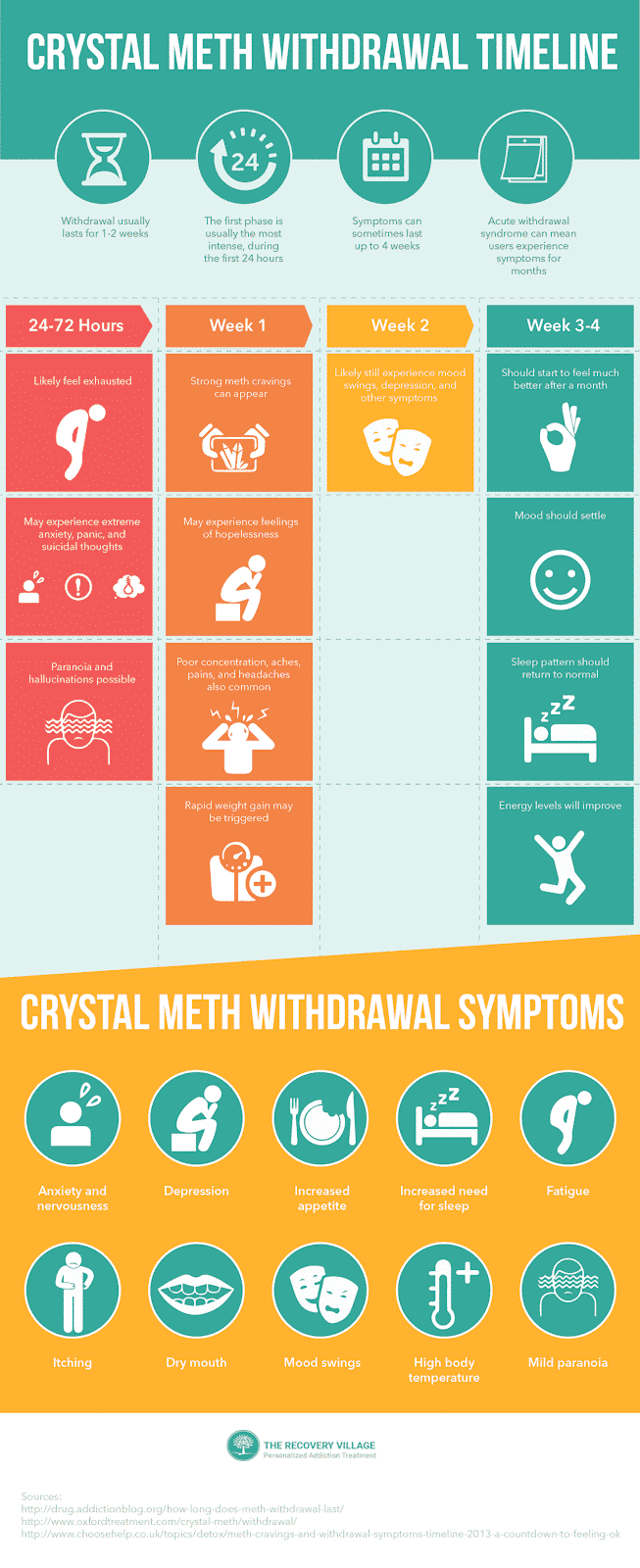
Days 1-3: The Physical Crash Phase
Your body enters shock as dopamine plummets. Expect relentless sweating soaking through clothes, violent nausea making eating impossible, and exhaustion so deep you can’t move—yet insomnia keeps you awake for 48+ hours. This isn’t “just the flu”; it’s your nervous system short-circuiting. During these critical first days, hydrate constantly (sip 2 oz water every 15 minutes) and monitor heart rate—if it exceeds 110 bpm while resting, seek help.
Weeks 1-10: The Psychological Void
As physical symptoms ease, crushing anhedonia (inability to feel pleasure) sets in. Simple joys like sunlight or music feel meaningless, while cravings peak at 20-minute intervals. This phase carries the highest relapse risk because your brain mistakenly believes meth is the only solution to this emotional numbness. Track your symptoms daily: if depression prevents basic self-care for 48+ hours, professional intervention becomes non-negotiable.
Preparing Your Home Environment for Safety
Eliminate Every Possible Trigger
Destroy all drug paraphernalia—don’t hide it where you might find it later. Delete dealer contacts and block numbers immediately. Remove cash and valuables that could fund relapse. Even familiar routes or songs associated with use can trigger cravings; rearrange your physical space to disrupt these neural pathways. Isolation is critical, but never attempt this alone—your environment must support accountability.
Establish Lifeline Protocols
Text a trusted person every 2 hours with a simple code (e.g., “Green” for stable, “Red” for crisis). Share your real-time location via smartphone tracking so they can check on you if messages stop. Tape emergency numbers (911, 888-981-8263, local crisis line) to your fridge and bathroom mirror—when withdrawal hits, you won’t remember them. This isn’t optional: without external monitoring, you risk missing critical warning signs.
Hydration and Nutrition: Your Only True Detox Tools
The Water Detox Protocol
Sip 4-6 oz of water every 15 minutes while awake—no gulping. Add electrolytes via sports drinks or homemade solutions (1/2 tsp salt + 2 tbsp sugar per quart water) to prevent fatal imbalances. Urine should be pale yellow; dark urine means dangerous dehydration. Stop caffeine and alcohol immediately—they worsen anxiety and dehydration. This isn’t about “flushing toxins” but preventing kidney failure during withdrawal’s physical stress.
Brain-Repair Meal Plan
Prioritize protein: hard-boiled eggs, Greek yogurt, or chicken broth stabilize blood sugar and rebuild dopamine receptors. Add complex carbs: oatmeal or sweet potatoes provide steady energy without sugar crashes. Include healthy fats: avocado or almonds support neural repair. Avoid all processed foods—they cause dopamine spikes that mimic meth’s effects and increase relapse risk. If nausea strikes, try frozen grapes or ginger tea instead of forcing solid food.
Managing Physical Symptoms Without Medication
Sleep Deprivation Survival Tactics
Cover windows with blackout curtains and set thermostat to 65°F—cool, dark rooms combat withdrawal insomnia. Use white noise apps to drown out racing thoughts. Accept fragmented sleep: resting with eyes closed for 20-minute intervals still aids recovery. Never take sleep aids (even melatonin); they interact dangerously with meth’s residual effects on your nervous system.
Pain and Agitation Relief
Take 10-minute cool showers to reset overheating nerves during sweats. Apply cold compresses to your forehead for headache relief. Practice 4-7-8 breathing: inhale 4 seconds, hold 7, exhale 8—repeat 5x during panic surges. Gentle stretching (like seated spinal twists) eases muscle tension without exhausting your depleted energy reserves.
Psychological Crisis Response Plan

Craving Interception Method
When cravings hit (they will, peaking at 20 minutes):
1. Text your accountability person with “Craving” immediately
2. Drink one full glass of water slowly while counting sips
3. Step outside for 5 minutes of fresh air—change your environment
4. Repeat aloud: “This is temporary. I am safe right now.”
This interrupts the automatic relapse reflex by forcing conscious action before the craving wave peaks.
Depression Management During Anhedonia
Write one sentence daily acknowledging small victories: “I drank water 5 times today.” Set a 5-minute timer for tasks like showering—starting is harder than continuing. Call your support person when isolation urges hit; silence fuels despair. Remember: this emotional numbness is biochemical, not personal failure—it will lift as your brain heals.
When Home Detox Becomes Impossible
Mandatory Emergency Checklist
Check these every 4 hours:
– [ ] Can I keep down fluids for 2+ hours?
– [ ] Are my thoughts clear, or am I hallucinating?
– [ ] Is my heart rate under 100 bpm while resting?
– [ ] Have I slept at all in the last 24 hours?
– [ ] Are suicidal thoughts present?
If any box is unchecked, stop detoxing immediately. Call 888-981-8263 or 911—this isn’t weakness but critical self-preservation. Professional facilities provide medication to ease depression and prevent seizures, which no home method can replicate.
Detox Kits and Supplements: What Actually Works
The Dangerous Truth About Commercial Products
Avoid all “meth detox kits”—they lack scientific backing and often contain unsafe herbal blends. Juice cleanses fail because your body needs protein, not sugar, for neural repair. Over-the-counter sleep aids risk fatal interactions with residual meth in your system. These products exploit desperation; your money is better spent stocking water and broth.
Evidence-Supported Supplements Only
Take B-complex vitamins to support dopamine production. Magnesium glycinate (200mg daily) eases muscle cramps and anxiety. Vitamin C (500mg) aids oxidative stress recovery. Chamomile tea reduces nausea—never ingest essential oils. These manage symptoms but don’t shorten withdrawal; they’re supplements, not solutions.
Your 72-Hour Post-Detox Survival Plan
Immediate Next Actions
Within 24 hours of acute symptoms easing: Call 888-981-8263 to arrange medical evaluation—your heart and liver need checking. Join an online NA meeting tonight; isolation guarantees relapse. Write down three future goals (e.g., “See my daughter graduate”) and tape them where you’ll see them during cravings.
Long-Term Recovery Non-Negotiables
Therapy isn’t optional—90% of relapses stem from untreated trauma or co-occurring disorders. Find a SMART Recovery group within 72 hours; peer support cuts relapse risk by 50%. Establish a sleep routine—consistent rest rebuilds dopamine receptors faster than any supplement. Professional treatment addresses root causes; home detox only treats symptoms.
This Isn’t the End of Your Story
Attempting how to detox from meth at home is like navigating a minefield blindfolded. The statistics are brutal: unsupervised withdrawal carries a 23% higher risk of fatal complications compared to medical detox. Professional facilities provide round-the-clock monitoring for cardiac events, medication to ease depressive agony, and therapeutic support to address why you used meth in the first place. Facilities like Atlas Behavioral Health accept most insurance plans and offer same-day admissions—call 888-981-8263 now. Your brain can heal, but it needs the right environment. What feels impossible alone becomes possible with help. Pick up the phone—your future self will thank you.