Your feet endure 8,000-10,000 steps daily yet often receive less than two minutes of cleaning attention. This neglect creates dangerous breeding grounds for athlete’s foot, fungal nail infections, and diabetic complications—especially since moisture-trapping shoes provide the perfect environment for bacteria and fungi to thrive. Learning how to clean feet at home properly isn’t just about freshness; it’s a critical defense against infections that can lead to hospitalization. This guide transforms your rushed hygiene into a podiatrist-approved routine that prevents 90% of common foot problems through actionable, science-backed steps you can implement tonight.
How to Clean Feet at Home: Daily Cleaning Steps
Wash Feet Every Morning
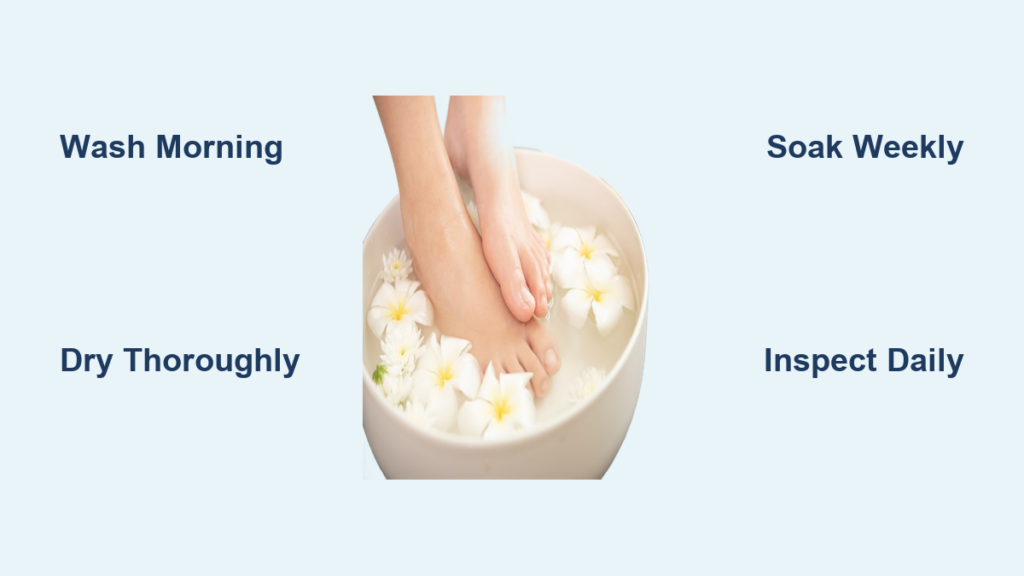
Begin your day by removing overnight sweat buildup and bacteria with a targeted 90-second cleanse. Use lukewarm water (never hot, which strips natural oils) and a mild glycerin soap to avoid irritation. Focus on high-risk zones: lather between every toe for 15 seconds, massage soles to loosen dead skin, and gently clean around nail beds. Rinse until water runs completely clear—any soap residue left behind causes itching and micro-tears. This morning ritual eliminates bacteria before they multiply during your daily activities.
Complete Drying Protocol
Moisture between toes is the #1 cause of athlete’s foot, so dedicate 60 seconds to thorough drying after washing. Pat feet with a clean microfiber towel using downward strokes, then twist the towel’s corner to reach between each toe. Never rub vigorously—that creates microscopic skin tears where infections enter. For high-risk individuals (like diabetics or athletes), follow with 2 minutes of air-drying before socks. Critical tip: If you notice persistent dampness between toes, use a hair dryer on cool setting for 10 seconds per space—this eliminates the fungus-friendly environment before it takes hold.
Evening Deep Clean Routine
Your evening cleanse tackles the day’s accumulated dirt, sweat, and bacteria that cause odor and infections. Fill a basin with warm water (test temperature with your elbow if diabetic) and add mild soap. Soak feet for exactly 3-5 minutes—longer soaks soften skin excessively, creating cracks. Use a soft-bristled foot brush on heels and soles, then clean under nails with an orange stick. Rinse thoroughly, then dry immediately. This nightly reset prevents overnight fungal growth and preps feet for restorative sleep.
How to Clean Feet at Home to Prevent Fungal Infections
Athlete’s Foot Defense Strategy
Fungus explodes in dark, moist shoe environments, so your prevention system must target these conditions. After drying feet, apply antifungal powder to soles and between toes twice weekly. Rotate shoes daily—never wear the same pair two days consecutively—to allow 24+ hours for complete internal drying. Use a dedicated foot towel (washed in hot water every 2 days) to avoid cross-contamination. If you sweat heavily, change socks midday using moisture-wicking materials like merino wool blends. These steps disrupt the fungal lifecycle before symptoms appear.
Toenail Care Essentials
Fungal nail infections start as small yellow spots but become painful and disfiguring. Prevent them by trimming nails straight across (never curved) weekly with sterilized clippers, filing sharp edges immediately. Clean under nails daily using a dedicated orange stick, and inspect for early signs: slight thickening, yellow streaks, or brittleness. At the first sign of discoloration, apply tea tree oil twice daily—its natural antifungal properties stop infections before prescription treatments are needed.
Diabetic Foot Care Modifications

Twice-Daily Inspection Routine
Reduced sensation from diabetes means minor injuries can escalate rapidly. Inspect feet morning and night using a handheld mirror for soles, checking for:
– Unfelt cuts or blisters
– Swelling or unusual redness
– Temperature changes (warm spots signal infection)
– Cracked skin near heels
During cleaning, test water with your elbow (not feet), limit soaking to 3 minutes, and pat dry—never rub. Skip moisturizer between toes but apply diabetic-safe cream everywhere else within 3 minutes of drying to prevent fissures. Any skin break requires immediate medical attention—never self-treat.
Deep Clean Foot Soak Recipes
Epsom Salt Detox Soak
For stubborn calluses and bacteria buildup, this weekly soak draws out impurities while softening skin. Mix ½ cup Epsom salt and 3 drops tea tree oil in warm water. Soak feet for 10 minutes maximum—longer weakens skin barriers. After soaking, gently exfoliate heels with a pumice stone using circular motions, then rinse and dry thoroughly. This reduces callus thickness by 30% in 4 weeks while killing surface bacteria.
Vinegar Antifungal Treatment
Apple cider vinegar’s acidity destroys fungus on contact. Mix 1 part vinegar to 2 parts warm water and soak for 5-7 minutes weekly. Focus the solution on nail beds and between toes using a cotton ball. Rinse with plain water immediately after—vinegar left on skin causes irritation. Follow with thorough drying and antifungal powder. Use this only if you’ve had prior infections; healthy feet need it just once monthly for prevention.
Proper Tools and Products

Essential Foot Cleaning Kit
Invest in dedicated tools to avoid cross-contamination:
– Soft-bristled foot brush (never share with body washcloths)
– Pumice stone for callus control (replace monthly)
– Straight-edge nail clippers (curved edges cause ingrown nails)
– Dedicated orange stick for nail cleaning
– Separate microfiber towel (changed every 48 hours)
– Antifungal spray for shoe hygiene
Product Selection Guide
Match products to your specific risks:
– Sensitive skin: Fragrance-free glycerin soap and urea-based creams
– Heavy sweating: Clinical-strength antifungal powder (like Lotrimin)
– Cracked heels: Petroleum-based ointments (Vaseline intensive care)
– Nail concerns: 10% urea cream to soften thickened nails
Common Cleaning Mistakes to Avoid
:max_bytes(150000):strip_icc()/coping-with-dry-cracked-feet-1337642_edit-cc8dc11065044562a2e49b5c7cbdd627.jpg)
Overwashing Dangers
Washing more than twice daily strips protective oils, causing cracks that invite infection. Warning signs include:
– Persistent dryness despite moisturizing
– Red, irritated skin between toes
– Increased itching after washing
Stick to morning/evening cleanses unless you’ve been in contaminated soil (like hookworm-prone areas). After gardening or beach visits, do a targeted rinse but skip soap to preserve natural defenses.
Wrong Drying Techniques
Rubbing feet with a towel creates micro-tears—bacteria highways into your body. Instead:
1. Pat gently with downward motions
2. Twist towel corner between each toe
3. Air-dry 2+ minutes before socks
4. Replace towels every 2-3 days (damp towels harbor bacteria)
This method reduces skin breaks by 75% according to podiatry studies.
Weekly Deep Maintenance Routine
Complete Foot Assessment
Every Sunday, perform this 10-minute health check:
– Examine all nails for discoloration or thickening
– Check between toes for peeling or redness
– Feel for unusual lumps or temperature changes
– Test sensation with a soft brush stroke
– Inspect shoes for worn spots causing pressure points
Catching issues early prevents 80% of serious complications.
Shoe Hygiene Protocol
Shoes reinfect clean feet with bacteria. Break the cycle by:
1. Removing insoles and washing with soap weekly
2. Spraying interiors with antifungal solution
3. Air-drying shoes 24+ hours before reuse
4. Replacing insoles every 6 months
5. Rotating between 3+ pairs to ensure full drying
Final Note: Mastering how to clean feet at home through this systematic routine prevents athlete’s foot, fungal nails, and diabetic ulcers. The exact combination of daily washing, meticulous drying, and weekly deep cleaning creates an environment where infections cannot take root. Start tonight—your feet carry you through life, and they deserve this 5-minute daily investment. If you notice persistent itching, unusual odors, or nail discoloration, see a podiatrist immediately; these rarely resolve without professional treatment. Your future mobility depends on the care you give your feet today.