Your favorite leather bag has lost its luster after months of daily use—streaks from subway poles, mysterious coffee splatters, or stubborn water rings marring its surface. Before you resign it to the closet or book an expensive professional cleaning, know this: you can revive most leather bags entirely at home with common household items and the right technique. This guide cuts through the confusion with field-tested methods that actually work, whether you’re nursing a vintage heirloom or a modern designer piece back to life. Skip the guesswork and learn exactly how to clean leather bag at home safely, preserving its value and character for years to come.
Identify Your Leather Type Before Cleaning
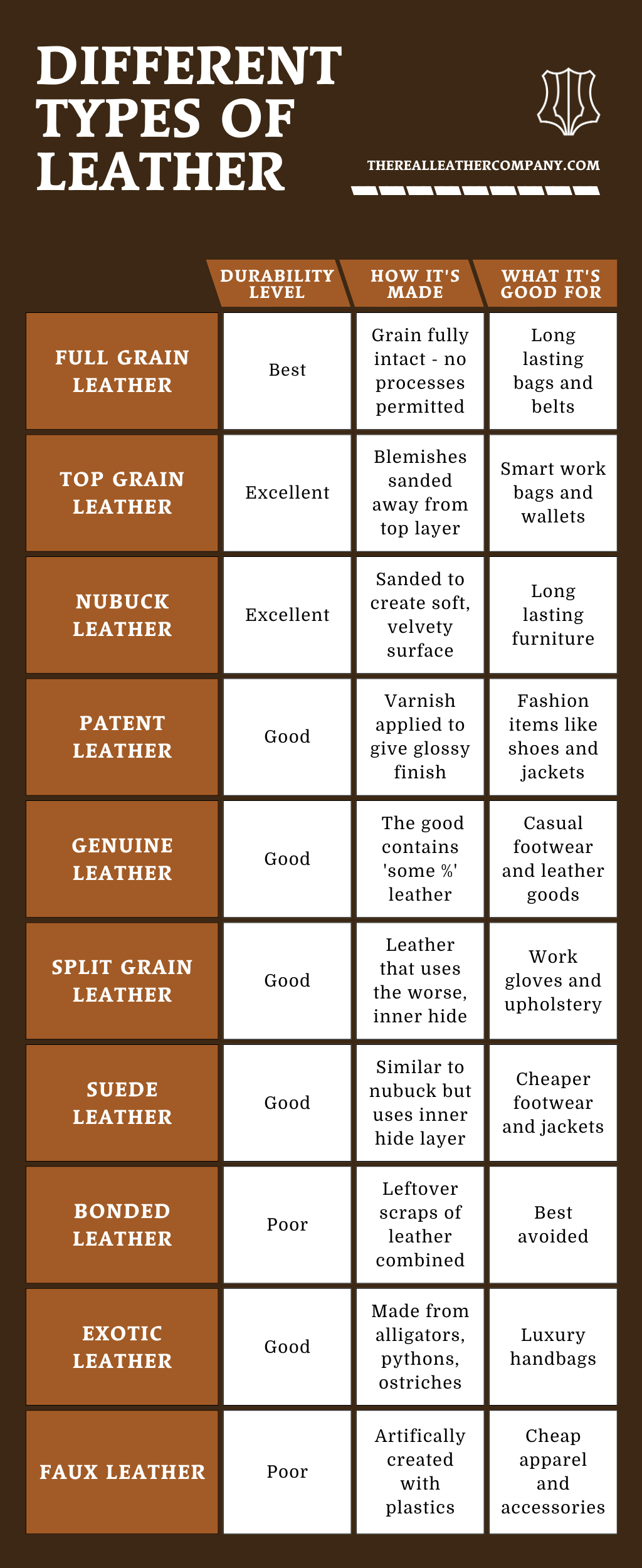
Full-Grain vs Top-Grain Leather
Full-grain leather reveals natural scars and grain variations—this premium material develops a rich patina but demands gentle handling. Treat it like fine art: use only pH-neutral cleaners and minimal moisture. Top-grain leather has a sanded surface for uniformity, making it slightly more stain-resistant. You can apply moderately stronger solutions here, but never saturate it—excessive moisture causes irreversible stiffness.
Genuine and Bonded Leather Care
Genuine leather (often mislabeled as “real leather”) is heavily processed and prone to cracking. Use barely damp cloths with diluted dish soap, working in tiny circular motions. Bonded leather—made from leather scraps and adhesive—requires extreme caution. Skip liquid cleaners entirely; dry-brush only with a suede eraser to avoid dissolving the binding agents.
Suede and Nubuck Special Rules
These velvety textures are leather’s delicate cousins. Never apply water-based solutions—they’ll leave permanent rings. For suede, use a specialized brush to lift the nap; for nubuck, a microfiber cloth with nubuck protector spray handles surface dirt. Both require professional care for deep stains.
Critical Pre-Cleaning Inspection Steps
5-Point Damage Assessment Checklist
Prevent disasters by auditing your bag first:
1. Spot-test cleaners inside a pocket—rub gently to check color transfer
2. Map all stains (ink, oil, water) and note suspected causes
3. Examine hardware—brass tarnishes differently than gold-tone
4. Check seams for loose threads or weakened stitching
5. Photograph existing cracks to monitor during cleaning
This 5-minute scan determines whether DIY cleaning is safe or if professional help is needed.
Essential Home Cleaning Supplies You Already Own
Core Cleaning Kit
Skip expensive specialty products initially. Gather:
– pH-balanced cleaner (1 drop dish soap + 8 parts distilled water)
– Leather conditioner (coconut oil or plain lanolin for emergencies)
– 3+ microfiber cloths (no paper towels—they scratch)
– Soft toothbrush (for textured leather and seams)
– Distilled water (prevents mineral stains from tap water)
DIY Stain Solutions From Your Pantry
- Oil stains: Cornstarch or baking soda (absorbs grease overnight)
- Salt stains: 50/50 white vinegar-water mix
- Ink: 70% isopropyl alcohol on cotton swab (test first!)
- Odors: Baking soda inside bag overnight
Basic Cleaning Process in 3 Phases
Phase 1: Smart Preparation
Empty every compartment—even hidden pockets. Remove straps if possible. Stuff the bag with acid-free tissue (white printer paper works temporarily) to maintain shape. Cover your work surface with a towel. Never clean near direct sunlight or heat sources.
Phase 2: Dry Dust Removal
Use a dry toothbrush to dislodge dirt from seams and corners. Brush in small circles following the leather’s grain. For deep dust, vacuum gently with a brush attachment on low suction. This step removes 80% of surface grime without moisture risks.
Phase 3: Gentle Wet Cleaning
Dampen a microfiber cloth just until cool to the touch with your cleaner solution. Wipe one 4×4 inch section at a time using light pressure, always moving with the grain. Immediately follow with a dry cloth to absorb residue. Critical rule: Never let the leather feel wet—excess moisture causes cracking. Air-dry flat for 24 hours away from vents.
Tackle Stubborn Stains Without Ruining Your Bag
Oil and Grease Emergency
Blot spills immediately with a clean cloth—never rub. Cover the stain with cornstarch, press gently, and leave overnight. The powder pulls oil to the surface. Brush away residue, then clean with diluted soap solution. Always condition afterward—oil removal strips natural oils.
Water Stain Rescue
For light rings, wipe the entire panel with a barely damp cloth to even moisture distribution. Heavy stains? Apply a 50/50 vinegar-water mix with a cloth, working from the stain’s edge inward. Dry naturally—heat sets water marks permanently.
Ink Stain Battle Plan
Dab 70% alcohol on a cotton swab and touch only the stain’s perimeter. Work inward to prevent spreading. Rinse immediately with distilled water on a cloth. If color transfers during testing, stop—this requires professional dye removal.
Mold and Mildew Protocol
Wear gloves and work outdoors. Dry-brush surface mold first. Mix equal parts rubbing alcohol and water, then dab affected areas. Clean thoroughly with leather soap afterward. Dry for 48+ hours in a breezy spot—mold returns if moisture lingers.
Special Leather Type Instructions
Suede Cleaning Masterclass

Use a suede brush in one direction only to lift fibers. For scuffs, rub a pencil eraser gently. Never wet suede—steam refreshes flattened nap: hold 6 inches above boiling water for 30 seconds, then reshape while warm.
Patent Leather Shine Restoration
Wipe with a cloth dampened in soapy water, then immediately buff dry. Avoid petroleum products—they create a cloudy film. Store in a cotton bag (not plastic) to prevent sticky residue.
Condition and Protect Like a Pro
Post-Cleaning Conditioning
Apply conditioner only when leather feels dry (every 3-4 cleanings). Use a pea-sized amount on a cloth, massaging in circular motions. Wait 30 minutes, then buff off excess. Over-conditioning attracts dirt—less is more.
Hardware and Lining Rescue
For tarnished hardware, dip a cotton swab in lemon juice and rub gently. Wipe immediately with a dry cloth. Fabric linings? Vacuum first, then dab stains with diluted dish soap. For leather linings, use the same method as the exterior.
Proper Drying and Reshaping Secrets
Natural Drying Techniques
Stuff the bag with tissue paper, covering hardware with cloth to prevent water spots. Rotate every 4 hours for even drying. Never use hairdryers—the heat shrinks leather irreversibly. Expect 24-48 hours for full dryness.
Shape Restoration Secrets
While slightly damp, hand-mold corners and edges. Insert tissue into every pocket to prevent collapse. Position straps naturally to avoid crease lines. This maintains structure better than any expensive bag insert.
Prevent Future Problems
Weekly Maintenance Routine
After each use:
1. Dust with a dry microfiber cloth
2. Empty contents and air out overnight
3. Store upright in a breathable cotton bag
Smart Storage Solutions
Keep bags in a closet at 60-70°F (15-21°C) with 40-50% humidity. Never use plastic bins—they trap moisture. Place silica gel packets nearby to absorb excess humidity. Check stored bags quarterly for hidden mold.
When Professional Help Beats DIY
Red Flag Situations
Call a specialist if:
– Your bag is vintage or worth over $500
– Stains cover more than 20% of the surface
– You own exotic leather (crocodile, ostrich)
– Hardware is loose or stitching is unraveling
– You see dye transfer from dark clothing
Cost Comparison Reality
Home cleaning costs $10-30 for supplies versus $75-200 for professionals. But one mistake—like using vinegar on aniline leather—can destroy a $1,000 bag. For valuable pieces, professional cleaning is cheaper than replacement.
Long-Term Leather Care Success
Your leather bag’s patina tells your story—don’t erase it with harsh cleaning. By mastering how to clean leather bag at home correctly, you’ll transform maintenance from a chore into a ritual that deepens your connection to the piece. Remember: immediate spill response, gentle weekly care, and smart storage prevent 90% of damage. With these techniques, your bag won’t just survive daily wear—it’ll gain character with every adventure, becoming a legacy piece you’ll pass down. Grab your microfiber cloths and give your loyal companion the revival it deserves today.